This video, "3+ Hours Of WW2 Facts To Fall Asleep To," provided by the Timeline - World History Documentaries channel, offers a comprehensive chronological overview of the events leading up to and spanning the early to middle stages of World War II.
This video, "3+ Hours Of WW2 Facts To Fall Asleep To," provided by the Timeline - World History Documentaries channel, offers a comprehensive chronological overview of the events leading up to and spanning the early to middle stages of World War II.
It covers key political developments, major military campaigns, and strategic decisions.
Chronological Overview
Era / Event Key Focus
Post-WWI Versailles Treaty, reparations, rise of the Weimar Republic, and the Great Depression.
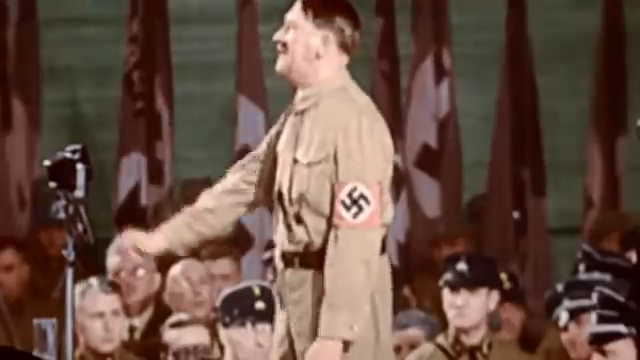
Rise of Fascism Hitl
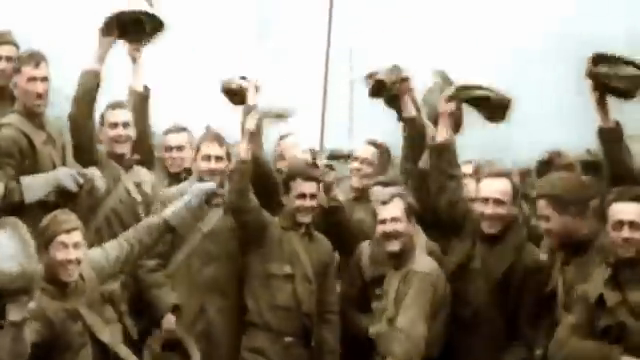
er's rise to power in Germany, Mussolini in Italy, and imperial expansionism in Japan.
Pre-War Aggression The Spanish Civil War, German rearmament, and the annexation of Austria and Czechoslovakia.
Start of WWII Invasion of Poland (Sept 1939), "Blitz
krieg" tactics, and the "Phony War."
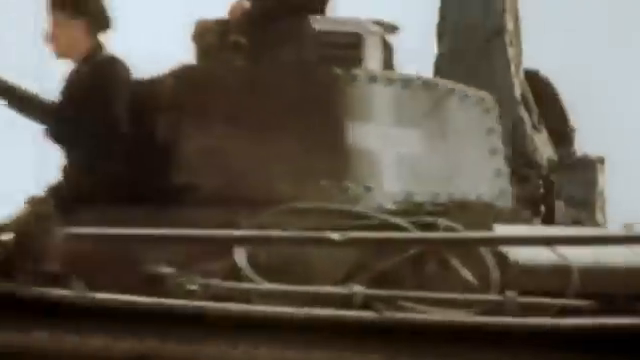
1940 Campaigns Invasion of Scandinavia, fall of France, and the evacuation from Dunkirk.
Battle of Britain RAF defense, radar technology, and the shift to the Blitz on cities.
Operation Barbarossa The German invas

ion of the Soviet Union (June 1941) and early gains.
Turning Points The Battle of Stalingrad and the Battle of Kursk (1943).
Key Developments and Military Strategies
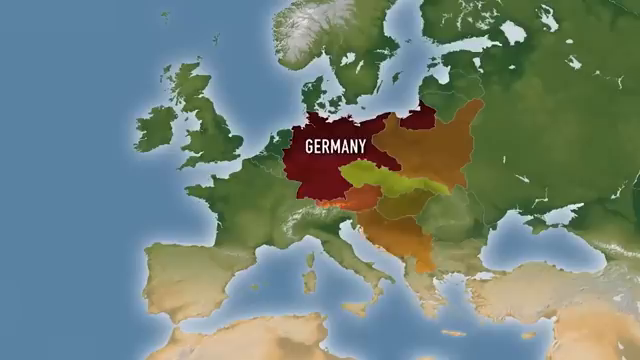
German Expansionism: Starting in 1933, Hitler rebuilt the German economy and militar
y in secret. He systematically reclaimed territories (Saar, Rhineland, Austria) before escalating to the invasion of Czechoslovakia and eventually Poland.
The Blitzkrieg: A military doctrine focusing on fast-moving, coordinated armored thrusts suppor
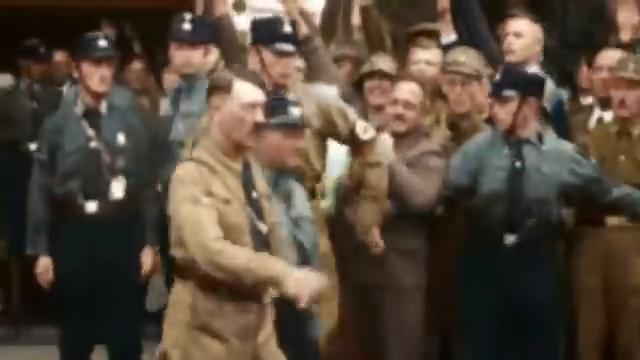
ted by air power (notably the Ju 87 Stuka dive bomber). This strategy was highly effective in Poland [53:55] and the invasion of France [01:23:41].
The Battle of Britain: This was a critical test of air superiority. British victory was aided by the u
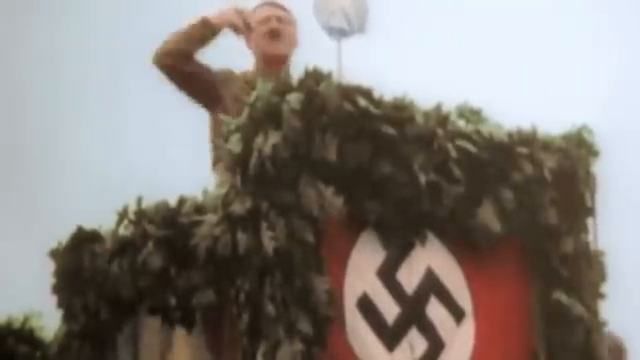
se of radar [01:52:00] and the cryptanalysis work at Bletchley Park [02:14:01], which cracked the German Enigma code.
Operation Barbarossa: Hitler's massive invasion of the Soviet Union proved to be a turning point. Despite initial tactical successes

that encircled large Soviet forces [02:42:07], the sheer scale of the Soviet territory, the harsh winter, and the resilience of the Red Army led to a strategic disaster.
The Battle of Stalingrad: Considered one of the most crucial battles of the war
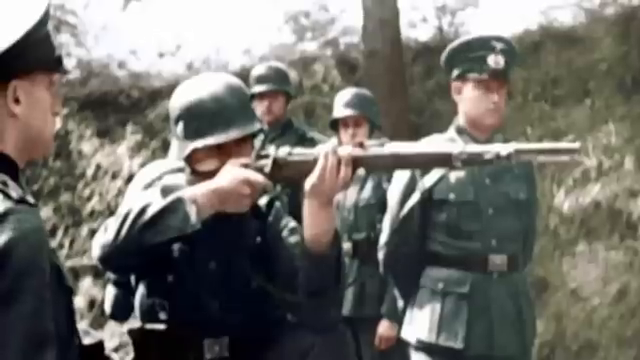
[03:04:46]. The German 6th Army was encircled and eventually surrendered in early 1943 [03:14:02], marking a devastating loss for Germany.
The Battle of Kursk: Following Stalingrad, Germany attempted a final major offensive in the East in July 1943
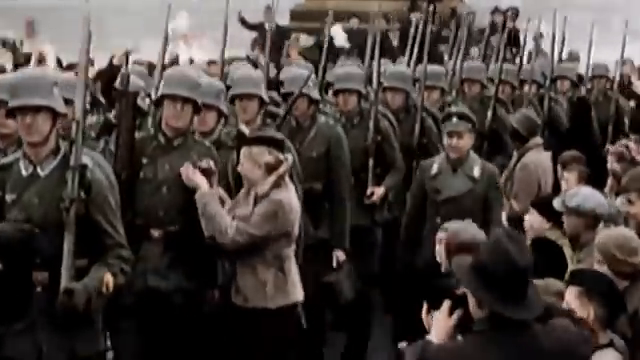
[03:20:37]. The failure of this operation and the subsequent largest armored battle in history [03:23:10] ensured that Germany would never again launch a major successful offensive on the Eastern Front [03:24:41].
Technological & Intelligence Factors
Ultra Intelligence: The breaking of the Enigma code by British cryptographers at Bletchley Park provided the Allies with "Ultra" secret information, which proved vital in multiple theaters, including the Battle of Britain [02:22:06] and the naval wa
r in the Atlantic [02:21:45].
Tank Evolution: The war saw rapid advancements in tank technology. Germany introduced the formidable Tiger and Panther tanks [03:18:50] to counter the Soviet T-34 [02:48:35], which proved to be a highly capable and mass-
produced weapon.
The Role of the United States
While the US initially maintained a policy of isolationism [04:00], it gradually shifted to becoming the "Arsenal of Democracy" [02:07:50]. Through measures like the Lend-Lease Act [02:10:10], the US pro
vided critical supplies to Britain and the Soviet Union, eventually entering the war directly following the attack on Pearl Harbor in December 1941 [02:59:12].
3+ Hours Of WW2 Facts To Fall Asleep To
Timeline - World History Documentaries · 11M views
Viewer Discussion & Comments