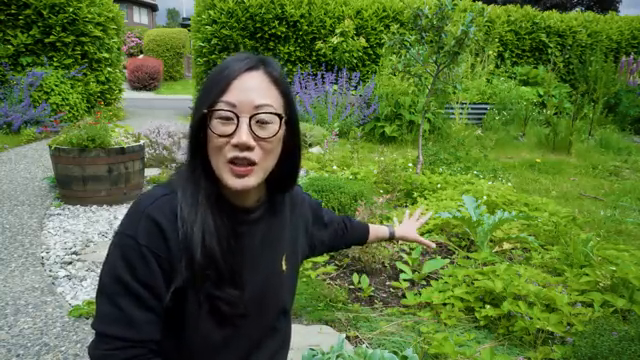
3 Sustainable Lawn Alternatives (for Cold Climates)


Channel: Epic Gardening
Uploaded by Epic Gardening on 20220611
Categories: Howto & Style
Tags: epic gardening
Get free seeds, shipping, and returns: https://www.epicgardening.com/greenhouse/ It's no secret we're not huge lawn fans at Epic Gardening - I don't have one in my yard, @jacquesinthegarden doesn't in his, and Chris DOES have a lawn...that she created herself and that includes NO turf grass, while providing all of the traditional b

This video from the Epic Gardening channel features Chris from Vancouver, BC, discussing sustainable alternatives to traditional turf grass lawns, specifically suited for cold climates. The video highlights how these alternatives save time, money, and water while boosting biodiversity and soil health.

1. The Core Purpose of Ground Cover [01:06]

Before presenting alternatives, the video details why covering bare soil is crucial:

Protection: Shields soil from erosion caused by wind, heavy rains, overhead watering, and foot traffic.

Moisture and Temper
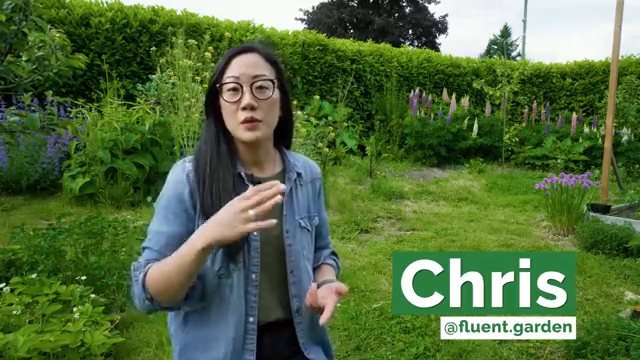
Image for chunk 1

ature Control: Minimizes evaporation and protects the soil from extreme temperature fluctuations in both summer and winter.

2. Lawn Alternatives Covered in the Video

A. Cover Crops and Wildflowers (Seasonal/Short-Lived Options) [01:42]

Useful for transforming poor soil or managing a changing landscape.

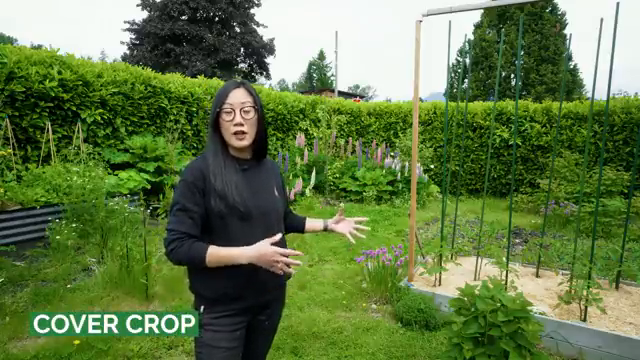
Cover Crops: Fast-growing plants that improve soil friability and organic matter. For example, sheet mulching followed by direct sowing of crimson clover, buckwheat, borage, and sweet alyssum provides flowers for pollinators. In winter, winter field p

Image for chunk 2

eas protect the soil and can be used for "chop and drop" composting in spring.

Native Wildflowers: Well-adapted to the local climate, making them easier to establish. The video advises buying from local seed sources rather than bulk, generic packets, which may contain aggressive or invasive species.

B. Perennial Ground Covers [03:52]

Longer-lived options that create a persistent living cover, suppress weeds, and save money through plant division.

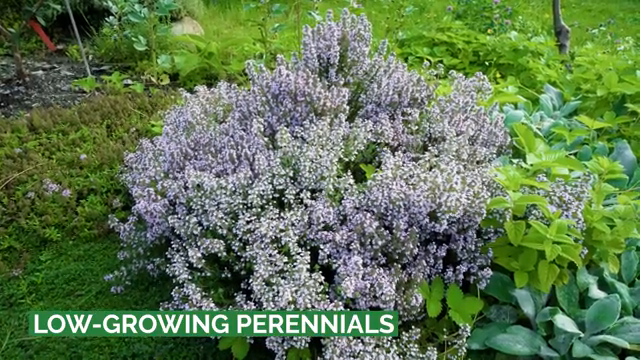
Creeping Thyme (Full Sun): Drawn from Mediterranean plant communities, these are low-maintenance and dro

Image for chunk 3

ught-tolerant. Chris uses species like Thymus longicaulis, Thymus serpyllum, and Thymus praecox.

Climate Note: Hardy down to Zone 4, but requires excellent soil drainage to prevent root rot during wet winters.

Shade-Tolerant Perennials [07:00]: For shadier spots, options include ajuga, wintergreen, sorrels, wild ginger, and clovers.

C. Mixed Clover Lawns [07:10]

Instead of pure turf grass, a mixed lawn integrates mowable, traffic-tolerant plants that stay green without summer watering or fertilizer.

Species Blend: Micro clover, red clover, crimson c

Image for chunk 4

lover, white dutch clover, self-heal, dandelion, chamomile, and yarrow.

Management: Allowing the mixed lawn to grow to about six inches tall protects the root networks from heat and evaporation.

Spring Bulbs [09:11]: Naturalizing bulbs like crocuses, snowdrops, fritillaria, and daffodils within the open lawn spaces adds early spring color.

3. Comparison of Living vs. Non-Living Covers [09:27]

While the focus is on living plants, non-living covers still serve distinct structural purposes:

+-------------------------------------------------------------

Image for chunk 5

+

| GROUND COVER TYPES |

+------------------------------+------------------------------+

| LIVING COVERS | NON-LIVING COVERS |

| (Thyme, Clover, Perennials) | (Straw, Leaves, Bark, Stone) |

+------------------------------+------------------------------+

| * Builds soil organic matter | * Ideal for high-traffic |

| * Suppresses weeds long-term | pathways |

| * Can be divided to multiply | * Rapidly covers large areas |

| * Provides pollinator food | * Lightw

Image for chunk 6

eight for seasonal |

| and visual textures | use in edible vegetable |

| | beds (e.g., straw/leaves) |

+------------------------------+------------------------------+

4. Financial Incentives [10:35]

The video concludes by recommending that viewers check with their local municipalities before removing their lawn. Many cities offer financial rebates for replacing high-water turf sod with sustainable, drought-tolerant alternatives.

3 Sustainable Lawn Alternatives (for Cold Climates)

Epic Gardening ยท 1.2M

No image available for chunk 7

Viewer Discussion & Comments

@epicgardening
Full list of all of Chris' lawn alternative suggestions:
@PatioPermaculture
I may or may not be responsible for giving my landlord a clover ๐Ÿ€ problem
@marysue4729
So inspirational! My back garden had a dying lawn choked by weeds, and after putting in raised beds I seeded the ground with clover. It's a carpet now, and the soil went from dusty dry to rich and healthy - I was super excited when I found my first worms in the dirt after a few years. And we get so many bees and butterflies.
@legendarymudkip2096
So glad you brought up native wildflowers! I live in Missouri and just recently found out that natural prairie and glade habitats are swiftly disappearing, and the insects and animals with them. Invasive species are VERY important to know, recognize, and remove, but you can of course use non-native plants that won't take over the space.
@kathrynmettelka7216
My husband, the non-gardener, once looked out at the yard and asked, "Didn't we use to have grass?" Not any more. Garden beds have replaced it, along with paths of pine bark nuggets. The flower beds get compost and mulch, so the soil improves every year. My new project is to place vegetables and herbs among flowering plants. The bees love the flowers and herb combinations. Did you know that daylilies were originally grown in China for food? Observe hot and sour soup for tiger lily buds.