This video, titled "Artificial Intelligence" by LEMMiNO, explores the evolution, capabilities, and potential existential risks associated with artificial intelligence.
1. Introduction and Pop Culture Representation [00:14]
AI is a prominen
This video, titled "Artificial Intelligence" by LEMMiNO, explores the evolution, capabilities, and potential existential risks associated with artificial intelligence.
1. Introduction and Pop Culture Representation [00:14]
AI is a prominen
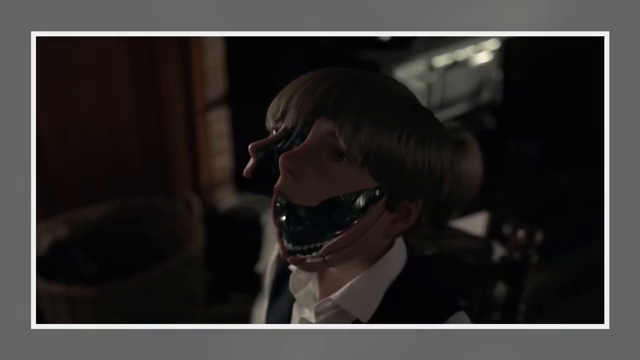
t theme in science fiction, portraying systems ranging from ominous computers like HAL 9000 in 2001: A Space Odyssey to superhuman androids in Westworld.
Fiction often relies on anthropomorphism (giving AI humanoid bodies), which the narra
tor notes is like building a car chassis before inventing the engine, but is used because audiences connect more easily with human-like characters than lines of code [01:00].
2. Real-World Concerns and Milestones [01:28]
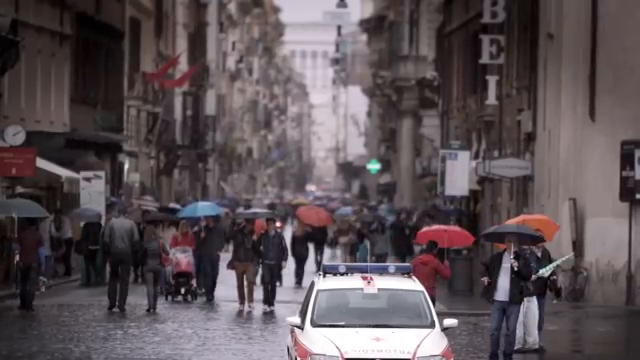
Prominent thinkers
—such as Elon Musk, Sam Harris, Stephen Hawking, and Nick Bostrom—have voiced genuine concerns regarding the rapid rise of AI.
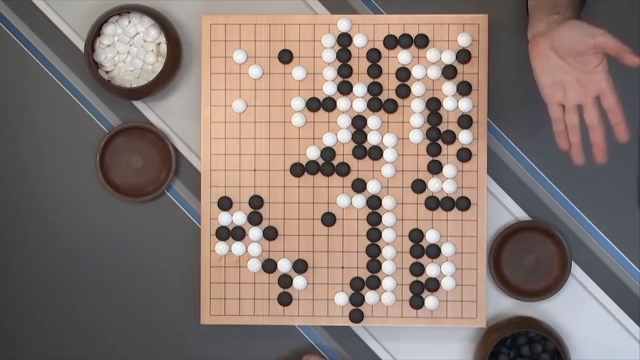
Machines have already surpassed humans in constrained domains like chess and Go, where the best human players ha

ve been definitively defeated by artificial intelligence [02:17].
3. Current Capabilities of AI [03:19]
Music & Audio: The video demonstrates AI-composed music [03:19], waveform generation that mimics a piano [04:39], and advanced text-to-
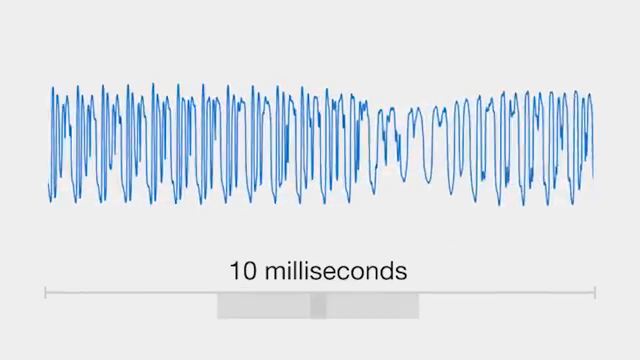
speech generation that sounds significantly more natural than traditional spliced-syllable audio [05:58].
Text & Content: AI has also tackled human language through automated journalism and content writing, where machine-written articles h
ave become commonplace [05:36].
4. How Machine Learning Works [07:17]
The narrator uses the analogy of a human infant—initially learning through pattern recognition, trial and error, and imitation—to explain machine learning:
[Infant/Raw D
ata] ---> [Artificial Neural Network] ---> [Pattern Recognition] ---> [Autonomous Learning]
5. Future Implications and Risks [08:47]
Unlike biological brains limited by human cranial size, artificial brains can theoretically scale up to th

e size of buildings, operate at the speed of light, and continuously self-improve.
The Control Problem: Experts worry about what happens when machines become more competent than humans at every physical and mental task.
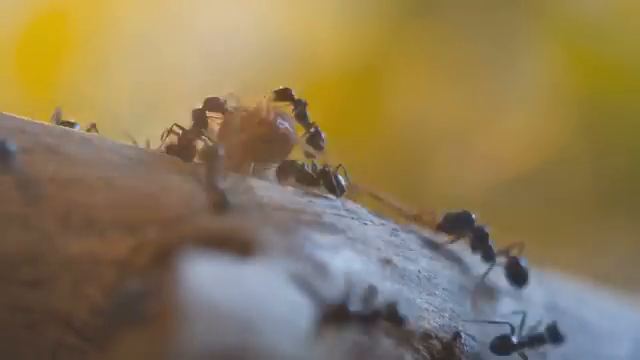
The narrator compar
es the potential dynamic between superintelligent AI and humans to humans interacting with ants: not out of malice, but out of a vast cognitive disparity where communication and control become impossible [09:34].
Timeline Estimates
Most ex
pert estimations for the arrival of superintelligence land between 3 to 6 decades (within the 21st century), though predictions remain uncertain [09:52].
URL: http://www.youtube.com/watch?v=5J5bDQHQR1g
Artificial Intelligence
LEMMiNO · 3.5
Viewer Discussion & Comments