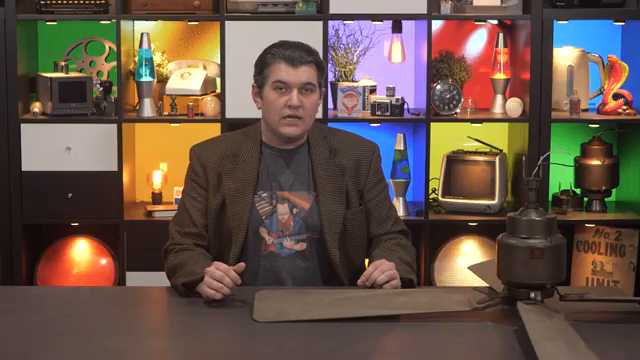
This video from the channel Technology Connections provides a comprehensive historical and technical analysis of the ceiling fan, examining how this simple appliance evolved and why, in the narrator's view, modern mass-market
This video from the channel Technology Connections provides a comprehensive historical and technical analysis of the ceiling fan, examining how this simple appliance evolved and why, in the narrator's view, modern mass-market
designs have largely "lost the plot" regarding performance.
Historical Context
Early Origins: Ceiling fans date back over a thousand years, originally powered by hand or water/steam machinery. By 1882, electric ceiling fans we
re introduced as a prime application for electric motors [00:00], [01:13].
Decline and Resurgence: Once a fixture in public spaces and homes, ceiling fans largely disappeared in the mid-20th century due to the rise of affordab
le air conditioning [02:48], [08:29].
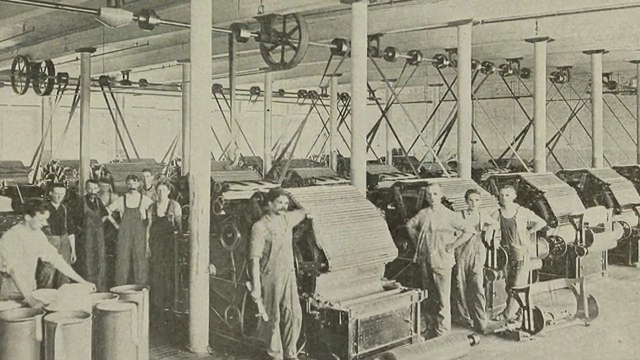
The 1970s Turnaround: Two main factors drove their comeback: the 1973 oil crisis (renewed interest in energy-saving/heat reclamation) and a intense cultural wave of nostalgia for the turn
of the 20th century [14:30], [17:00].
Market Shift: This resurgence led to a boom in imported, often cheaper, fan designs. Eventually, companies realized they could prioritize aesthetics (style) over function, leading to a "ra
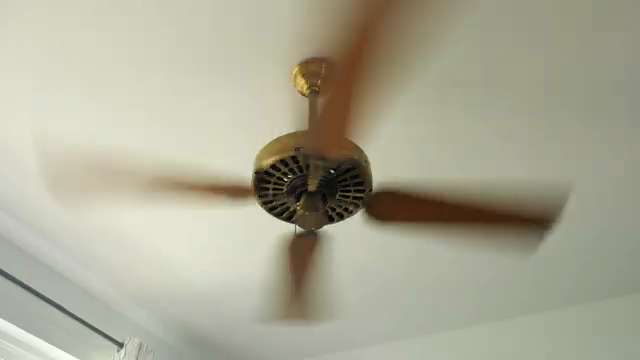
ce to the bottom" in build quality [32:34], [33:14].
Technical Functionality vs. Modern Issues
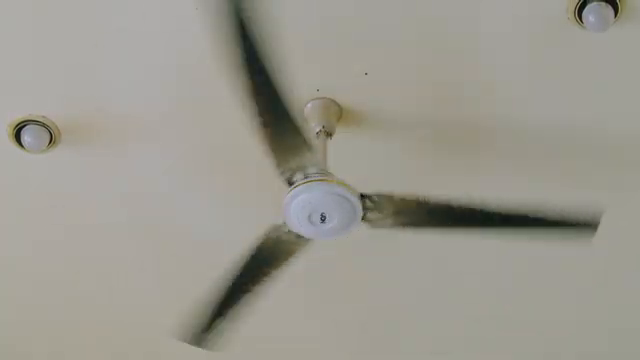
Mechanism: Ceiling fans create artificial wind, which cools individuals by evaporating sweat and displacing the "bubble" of warm ai
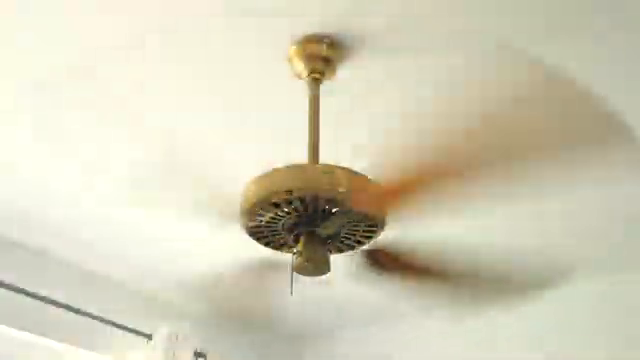
r surrounding the body [25:28], [26:32].
Performance Metrics: The narrator argues that standard industry metrics like CFM (Cubic Feet per Minute) are often misleading or irrelevant to the actual subjective experience of a fan'
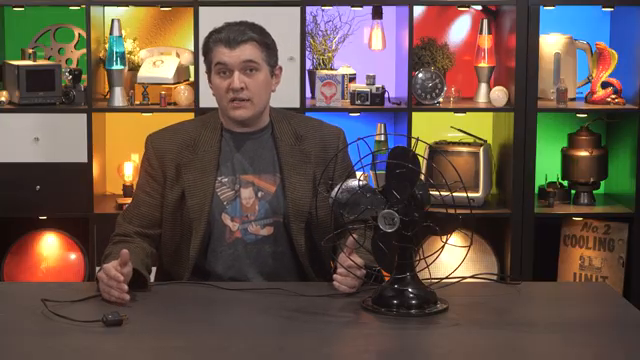
s cooling effect [48:26], [49:58].
Blade and Motor Design:
Old-School: Utilize large, aggressively pitched paddles and heavy motors, moving a significant volume of air at slow RPMs (e.g., 200 RPM) [05:00], [44:24].
Modern "Bui
lder Grade": Often feature smaller, weaker motors and less efficient blade designs, leading to poor real-world performance despite being sold as modern, efficient appliances [33:05], [34:48].
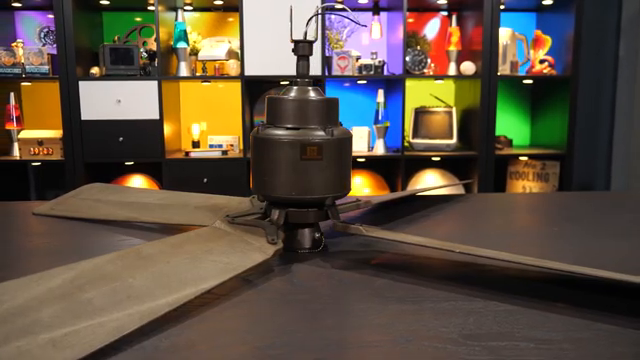
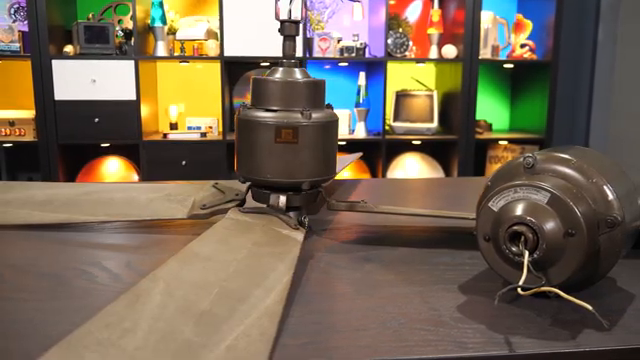
The "Hunter Original" Case Study
T
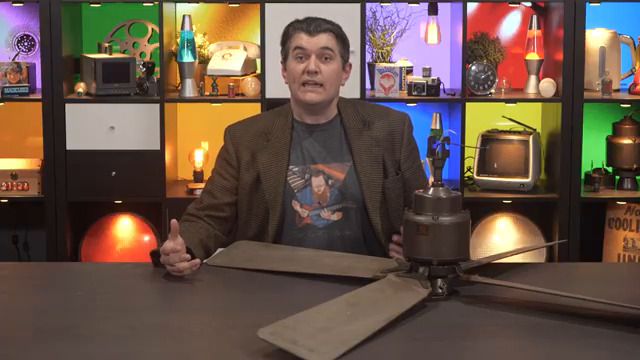
he narrator uses the Hunter Original as a "unicorn" of the industry—a design from 1906 still in production [36:09].
Feature Hunter Original Typical Modern Fan
Housing Heavy Cast Iron Often Stamped Steel/Plastic
Bearing Oil-bat
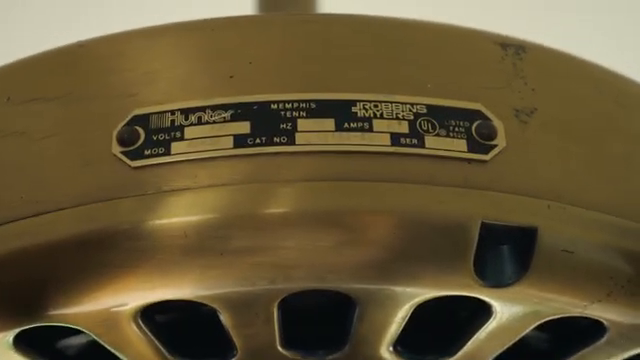
h Maintenance-free/Sealed
Philosophy Function over form Fashion-first
Performance High (Quiet, high wind speed) Variable/Often Weak
Despite its high cost and the requirement for occasional oil maintenance, the narrator emphasi
zes that this fan remains a superior performer because it respects its primary purpose: moving air effectively without needing gimmicks or sacrificing quality for a lower price point [37:31], [01:04:10].
Summary of Critique
Th
e video concludes that we have "lost the plot" by prioritizing cheap mass production, aesthetics, and complex "smart" features (like remote controls or LED integrations) over the fundamental design of a high-performance electr
ic motor paired with properly pitched blades. The narrator notes that while there are still premium brands making excellent fans, the ubiquity of low-effort, poorly performing "slop" in big-box stores has unfairly tarnished th
e ceiling fan's reputation as an energy-efficient cooling tool [01:01:25], [01:09:00].
Video URL: http://www.youtube.com/watch?v=_KWdCqpXB7A
Ceiling fans: the simple idea we keep screwing up
Technology Connections · 2.7M views
Viewer Discussion & Comments