China vs America: The Reality Is Nothing Like The Headlines


Channel: David G
Uploaded by David G on 20260607
Categories: Travel & Events
Tags: china, china travel, usa travel, america travel, china economy, american economy, china crime, america crime, usa crime, us economy, unseen china, cheap travel, china vlog, cost of living crisis, inflation, china travel vlog, budget travel destinations, china documentary, us documentary, paycheck to paycheck, personal finance, destinations for budget travel, china vs usa, living in china, living in usa, china infrastructure, china vs america, travel china, life in china
After traveling to China and the United States back-to-back, the contrast was shocking. In this video, I’m taking a deep look past the headlines to compare what it’s actually like on the ground in the world’s two biggest superpowers. Originally from the US, I've lived in Germany for nearly a decade. I’ve started to look at my hom

The video "China vs America: The Reality Is Nothing Like The Headlines" by David G compares the reality of visiting and living in China versus the United States, contrasting the on-the-ground reality with common media representations.

1. Transportation &

Image for chunk 1

Infrastructure [02:30]

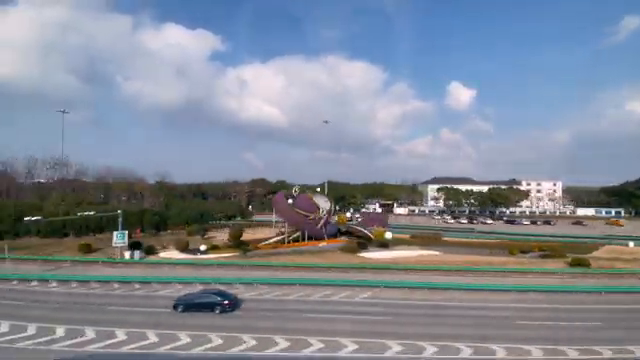
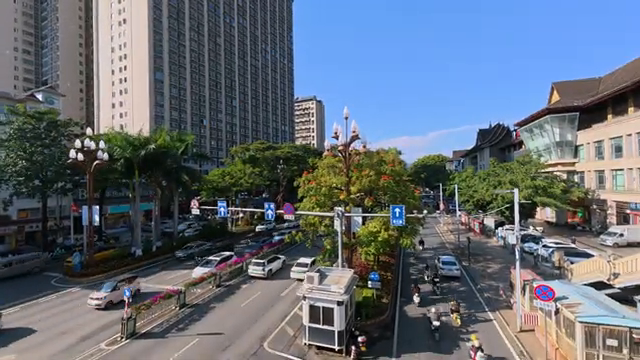
China: Highly modern, efficient, and centralized. Features magnetic levitation trains (like the Maglev in Shanghai reaching 300 km/h [02:43]) and bullet trains running between massive railway hubs [03:09].

United States: Highly fr

Image for chunk 2

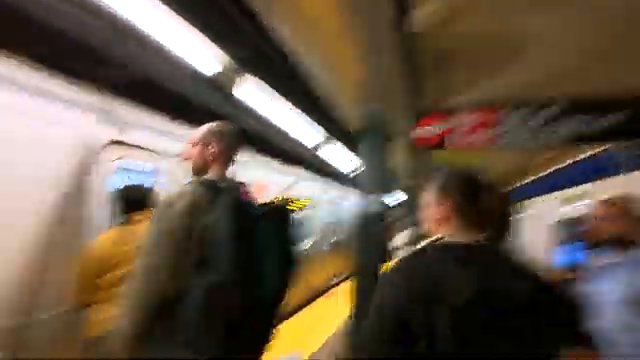
agmented and dependent on cars or roads [04:18]. Infrastructure (like the NYC subway or regional airports) can feel outdated, noisy, or prone to weather delays [03:50].

+------------------+----------------------------------+------------------------------

Image for chunk 3

------+

| Feature | China | United States |

+------------------+----------------------------------+------------------------------------+

| Transit Hubs | Futuristic, high-speed rail | High

Image for chunk 4

way networks, older subways |

| Tech & Control | Fully integrated & centralized | Fragmented, public/private mix |

+------------------+----------------------------------+------------------------------------+

2. Public Safety & Surveillance [05

Image for chunk 5

:43]

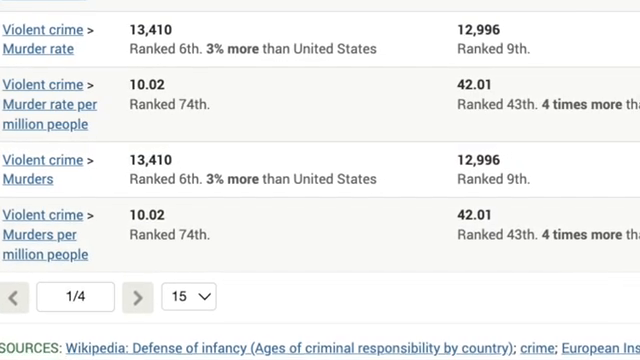
Crime Statistics: General crime is significantly lower in China than in the US [06:08]. Gun violence is virtually non-existent in China due to strict gun laws, whereas the US has a high murder rate per capita driven by firearm access [06:27].

Percei

Image for chunk 6

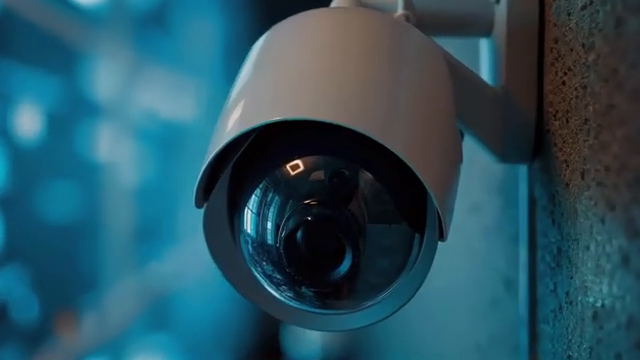
ved Safety & Trade-offs: Locals in China generally feel safe walking at any time of day or night [07:31]. However, this security relies on pervasive surveillance, camera networks, and digital integration [08:47].

3. Digital Systems, Payments, & Internet

Image for chunk 7

Access [09:15]

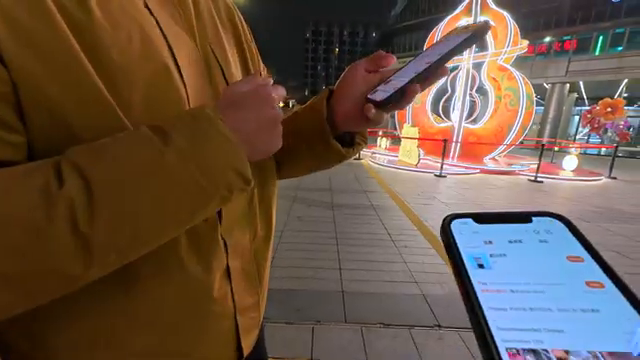
China: A cashless society dominated by WeChat and Alipay [09:30]. Extremely fast and automated, though foreign visitors may face a learning curve or rely on VPNs to bypass the "Great Firewall" [10:42].

United States: Primarily card and cas

Image for chunk 8

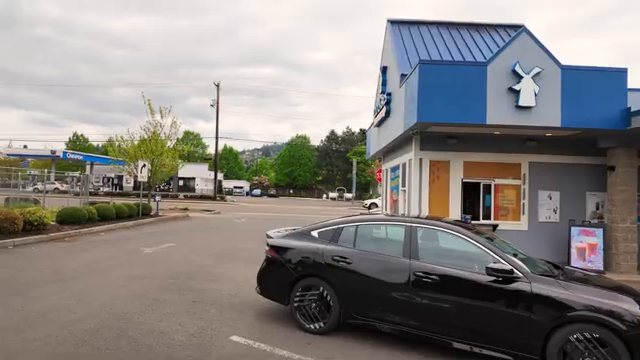
h-based [11:30]. Transactions feel less tracked, but tipping culture and added sales tax make prices less predictable [12:05].

4. Cost of Travel & Economic Reality [12:35]

Travel Budget: China is extremely affordable for foreign travelers holding Western

Image for chunk 9

currencies (averaging ~$40/day for high-quality hotels and meals) [12:53].

Local Context: US wages are roughly 3–4 times higher than in China, meaning low prices in China correspond to local income standards rather than absolute wealth differences [14:0

Image for chunk 10

9].

+----------------------------------------------------------------------------------+

| COST & VALUE TRADEOFF |

+-------------------------------------------------------------------------------

Image for chunk 11

---+

| CHINA: Lower daily expenses | Integrated digital economy | State manufacturing |

| USA: Higher income ceiling | High daily expenses | Individual privacy focus |

+------------------------------------------------------------------------------

Image for chunk 12

----+

5. Culture, Nature, & Public Life [15:02]

Nature: US national parks focus on wilderness, solitude, and minimal human footprint [16:06]. Chinese natural areas are organized and optimized to manage large crowds [16:35].

Public Spaces: In China, commu

Image for chunk 13

nity life actively happens outdoors in parks, markets, and night venues [17:10]. In the US, suburban life centers around private residential spaces [17:20].

Conclusion [19:03]

Both nations present trade-offs between centralized efficiency and individual

Image for chunk 14

autonomy. The video concludes that both are large human systems addressing similar basic needs, contrasting with the divisive narratives often shown in mainstream media [20:24].

China vs America: The Reality Is Nothing Like The Headlines

David G · 70K vi

Image for chunk 15

Viewer Discussion & Comments

@DavidGTravels
I truly love traveling in both of these countries for completely different reasons. If you’ve spent time in both, what is the ONE thing from China you wish the US had, and the ONE thing from the US you wish China had? Let’s keep it civil and focus on the human experience! 👇
@truezyf
I found that most foreigners who have been to China like China, but most of the video authors who hate China have never been to China.
@tdepp1178
Australians here. Last travelled to the US in the 1990s. It's unfair for me to compare my experience in the US with today's China. China is definitely a very safe, clean and vibrant country. It's convenient and cheap, and we never feel restricted while we are there. The only challenge we faced is the language but with the translator app, we get by easily.
@araara4746
One thing you missed is that China has never had a problem with the ideology that America adheres to, but on the contrary, the US has never stopped interfering with the ideology that China adheres to.
@renailu
In Taiwan where I live, there is a lot of sensationalized focus on "crime in China" in our media.