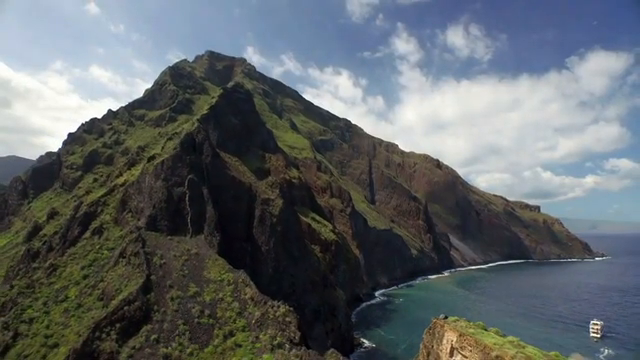
Conservation front and center as tourism booms in the Galapagos Islands I Nightline


Channel: ABC News
Uploaded by ABC News on 20190830
Categories: News & Politics
Tags: Ecuador, Galapagos, Island, volcanic, archipelago, in, the, Pacific, Ocean, Conservation, tourism, booms, wildlife, plastic, recycling, international, abc, abcnews
Protecting the Galapagos Island's natural landscape and its wildlife has become all the more important as tourism has risen exponentially in the last 50 years. WATCH NIGHTLINE EPISODES: https://abc.go.com/shows/nightline ALSO AVAILABLE ON HULU: https://hulu.tv/2wSmSrZ #Nightline #Ecuador #GalapagosIslands #Conservation #Recycli

The YouTube video "Conservation front and center as tourism booms in the Galapagos Islands I Nightline" explores the tension between increasing tourism and the urgent need to protect the fragile ecosystem of the Galapagos Islands.

Key Themes and Challenges

The Tourism Parado
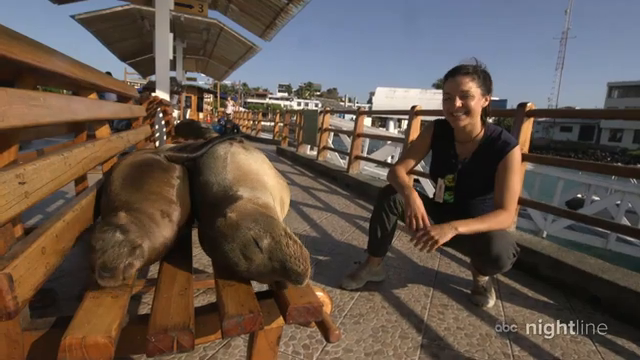
Image for chunk 1

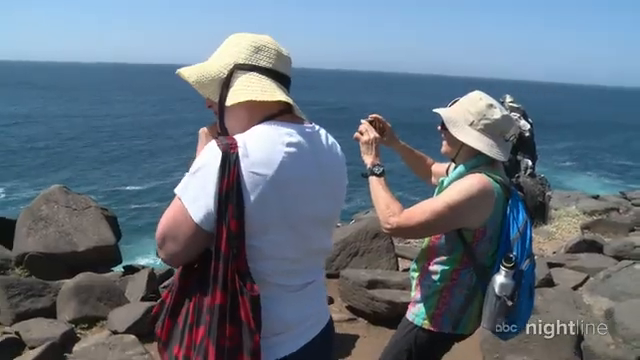
x: Tourism is both a driver for economic development and a significant threat to the environment. The islands face 21st-century issues like "bucket-list" tourism, plastic pollution, and the risk of invasive species [00:19].

Strict Conservation Measures: To mitigate damage, e

Image for chunk 2

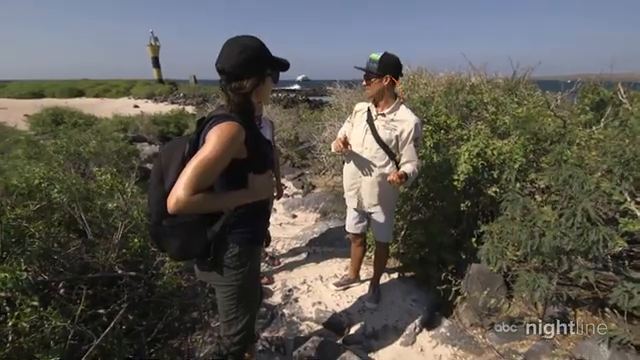
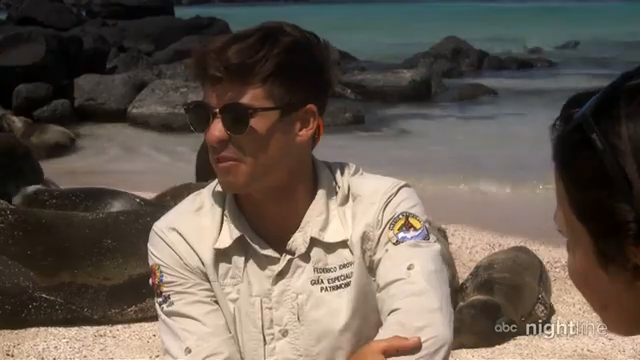
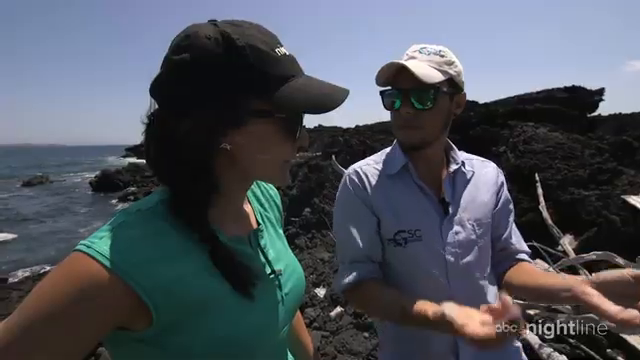
very visitor is required by law to hire a state-sanctioned naturalist [01:19]. These guides strictly enforce rules:

Stay on marked trails [01:46].

Do not touch or disturb animals [01:48].

Do not remove natural souvenirs [02:21].

Proper waste disposal [01:40].

Cross-Contamina

Image for chunk 3

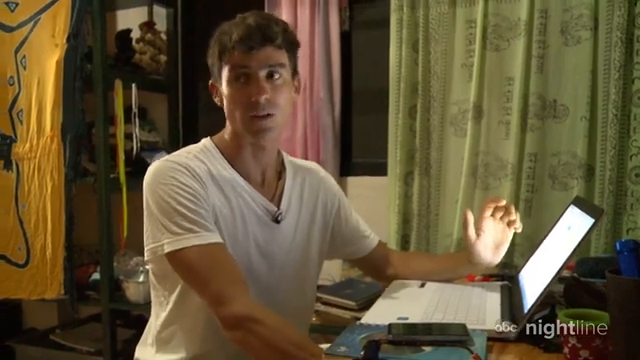
tion: Naturalists report activities that threaten biodiversity, such as illegal trail-off walking, the introduction of domestic animals (e.g., dogs), and the risk of transferring germs, insects, or parasites between the biologically distinct islands [05:09], [05:23].

Waste M

Image for chunk 4

anagement: Santa Cruz island has implemented a robust recycling program, successfully recovering about 50% of its trash—a rate more than double the global average [06:01].

Microplastics: The Invisible Threat

A significant portion of the report highlights the pervasive issue

Image for chunk 5

of microplastics, which are ingested by wildlife and permeate the environment [07:16].

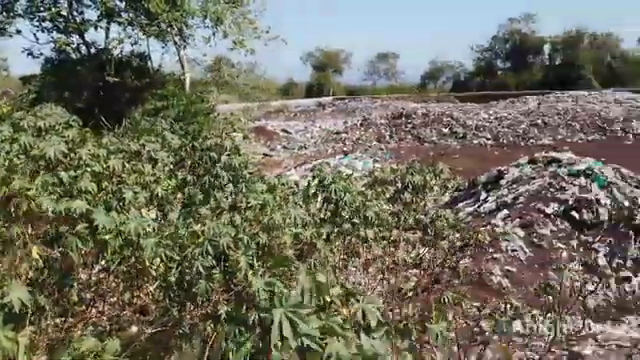
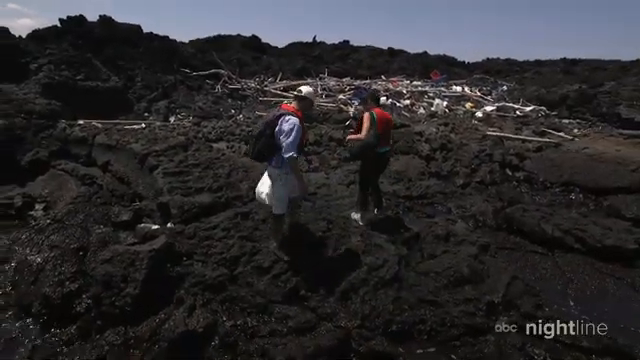
Source: Plastic debris originates globally, carried by ocean currents to the islands [07:49].

Composition of Debris: Approximately 80% of the visible debris found consists of plastic bottl

Image for chunk 6

es, containers, and gasoline canisters [08:19].

The Microplastic Problem: Even with recycling, plastic degrades into microscopic fibers that are nearly impossible to clean up [08:29]. These particles are found in the air and the stomachs of local marine life [07:24], [08:41]

Image for chunk 7

.

Summary Table of Challenges

Challenge Impact Mitigation Strategy

Tourism Booms Ecosystem stress Mandatory naturalist guides

Invasive Species Biodiversity loss Biosecurity checks, no dogs

Macro-Plastics Visual/physical pollution 50% recycling rate

Micro-Plastics Systemic co

Image for chunk 8

ntamination Focusing on source reduction

The video concludes by emphasizing that the Galapagos Islands, often called the "laboratory of evolution," are a global heritage site that transcends political boundaries [09:20]. Experts argue that conservation must focus on attackin

Image for chunk 9

g the plastic problem at its source before it reaches the islands, as once it arrives, the damage is already underway [08:59].

URL: https://www.youtube.com/watch?v=STz8sXhxwe4

Conservation front and center as tourism booms in the Galapagos Islands I Nightline

ABC News · 22K

Image for chunk 10

Viewer Discussion & Comments

@debijeanpeck
How ironic and irresponsible that those who have enough money and heart to travel to the Galapagos are the SAME people who damage this environment with pollution.
@Broskiiii-bu2be
7:10 LOOOOOOOL
@tamaki7373
6:28 I hear he is saying " approximately 6100 tons "
@Flaubert
humanity ruins everything.
@seeksustainablejapan
Thank you so much for sharing this important information and story of inspiration for how we all need to change in our daily lives as well as be more aware of our travel impact