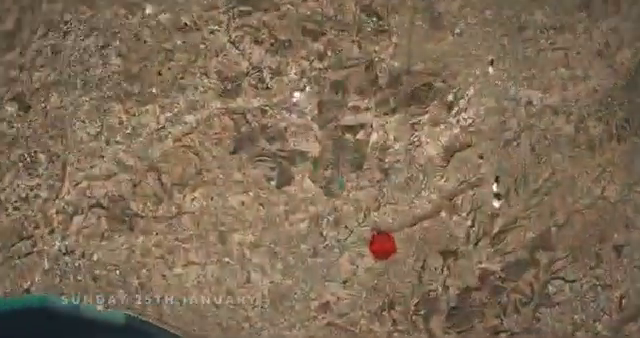
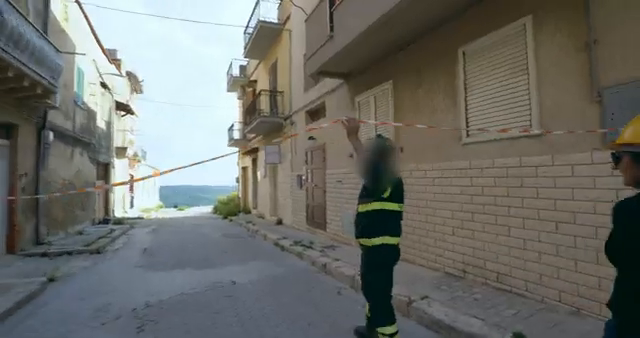
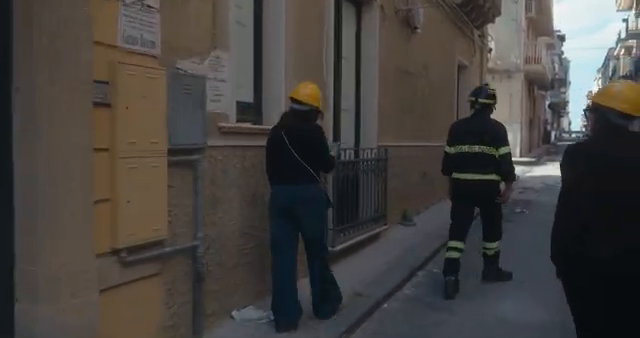
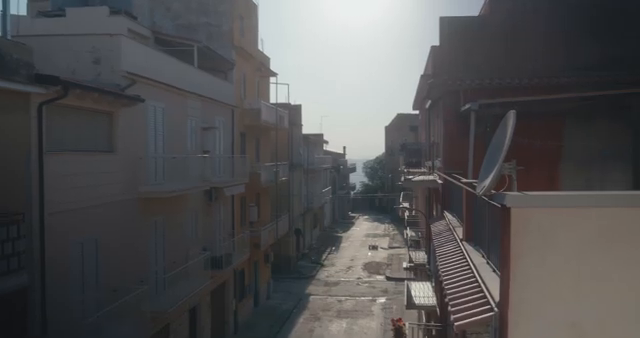
The video "Europe’s Most Unstable City" provides a detailed examination of a catastrophic landslide event in the Sicilian city of Niscemi. Following a cyclone in January 2026, severe ground instability led to m
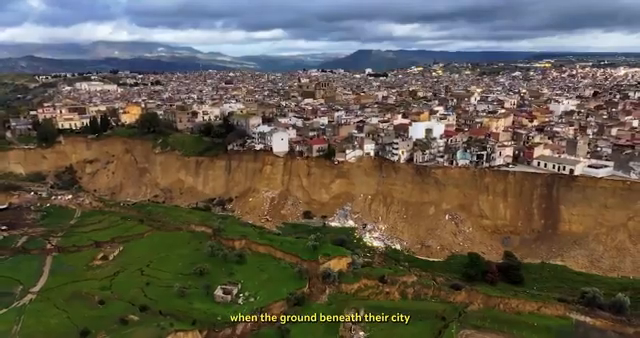
The video "Europe’s Most Unstable City" provides a detailed examination of a catastrophic landslide event in the Sicilian city of Niscemi. Following a cyclone in January 2026, severe ground instability led to m
assive evacuations and the destruction of infrastructure in the historical district.
Geologic Context and Causes
The instability is driven by a specific interaction between the local geology and water saturatio

n.
Stratigraphy: The city is built on a top layer of sand and sandstone resting upon a deep, impermeable layer of clay.
The Mechanism: Heavy rainfall infiltrates the porous sand but cannot penetrate the clay la
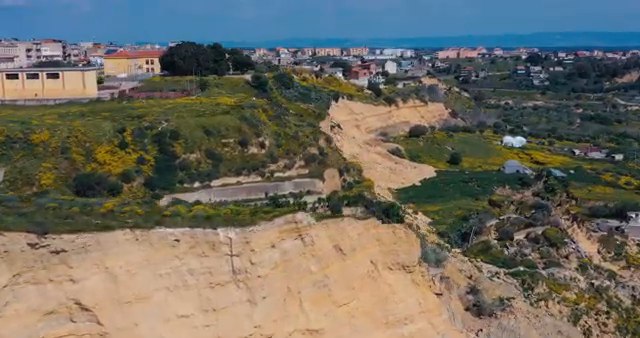
yer below. This creates a waterlogged layer of sand that acts as a lubricant, causing the ground to lose friction against the clay and slide due to gravity.
Historical Precedent: This is not a new phenomenon fo
r Niscemi. Significant landslides were recorded in the same area in 1790 and 1997, yet comprehensive preventative measures were never fully implemented.
Human and Social Impact
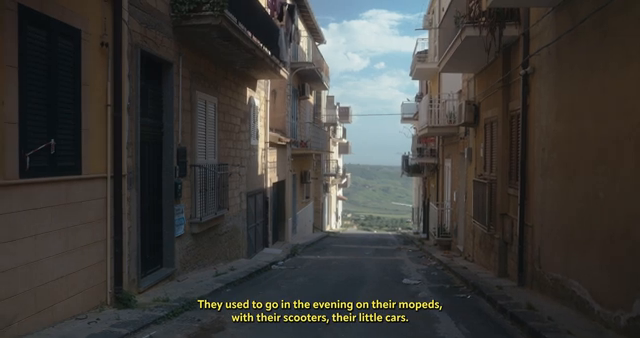
The event has left thousands of r

esidents in a state of severe uncertainty.
Evacuations: Approximately 1,500 people were forced to evacuate their homes in January 2026.
Zoning: The city is divided by risk, with residents categorized into zones

(e.g., "red" or "black" zones).
Many residents remain unsure if they will ever be allowed to return to their homes.
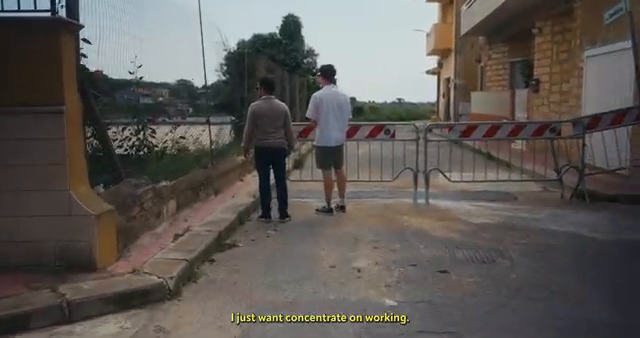
Businesses, including restaurants and pasta producers, have been forced to cease operations b
ecause their buildings are physically cut off by safety barriers, even if the structures themselves remain standing.
Economic Strain: The cost of building new homes often exceeds the market value of the propert

ies lost, complicating recovery for those whose assets have been destroyed.
The Science and Proposed Intervention
A recently released 286-page report by Italian geologists confirmed that the slope had been movi
ng since at least 2011, accelerated significantly by the 2026 cyclone. The proposed intervention plan to mitigate further risk includes:
Monitoring: Tracking the dynamics of the landslide to identify critical s
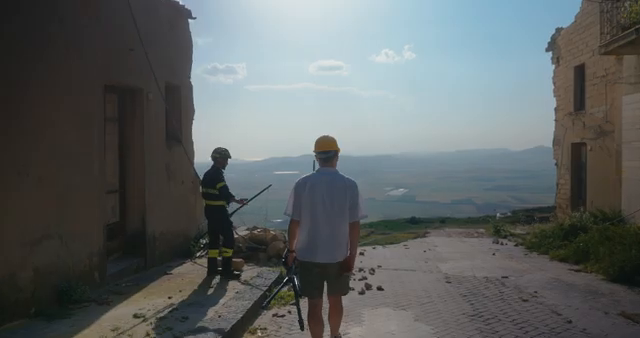
aturation points.
Drainage: Installing tunnels deep into the clay layer to remove groundwater.
Surface Management: Controlling water runoff to prevent further soil saturation.
Despite these plans, geologists ca
ution that these measures will only reduce—not eliminate—the risk, as the slope remains fundamentally unstable.
Visualization of Soil Layers (Ascii Representation)
Plaintext
[ Surface: City of Niscemi ]
-------
---------------------
| Sand and Sandstone Layer |
| (Water infiltration) |
----------------------------
|--------------------------| <--- Potential Sliding Plane
| Clay Layer (Waterproof) |
| (Millions of
years old) |
----------------------------
The documentary concludes by highlighting the resilience of the local community, noting that despite the loss of parts of their city, residents are actively working t
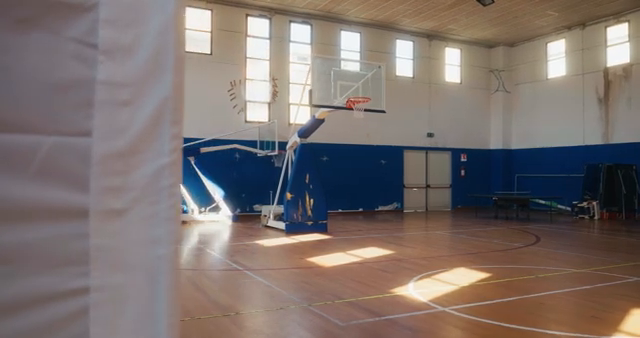
o maintain social bonds and plan for a future that acknowledges these inherent environmental risks.
URL: https://www.youtube.com/watch?v=3N1sapDyLGs
Europe’s Most Unstable City
Faultline with Andy Burgess · 38K

Viewer Discussion & Comments