Gilgit-Baltistan: Pakistan's tourist jewel tested by development and climate change • FRANCE 24


Channel: FRANCE 24 English
Uploaded by FRANCE 24 English on 20260714
Categories: News & Politics
Tags:
In just a few decades, the Hunza Valley in Gilgit-Baltistan, a remote mountainous region of northern Pakistan, has undergone a dramatic transformation. Expanded access to education, improved healthcare and strong local development have reshaped the area, in a model of progress often linked to foundations associated with the Aga Kha

This report details the developments, social progress, and environmental challenges currently facing the Hunza Valley in the Gilgit-Baltistan region of Pakistan, as highlighted in the FRANCE 24 report.

Social and Educational Progress

The Hunza Valley has experienced significant socio-economic transformation, largely attributed to the initiatives of the Aga Khan, the spiritual leader of the local Ismaili community.

Educational Impact: Through the establishment of schools and educational institutions, the literacy rate in the valley has reached nearly 100% [01:01].

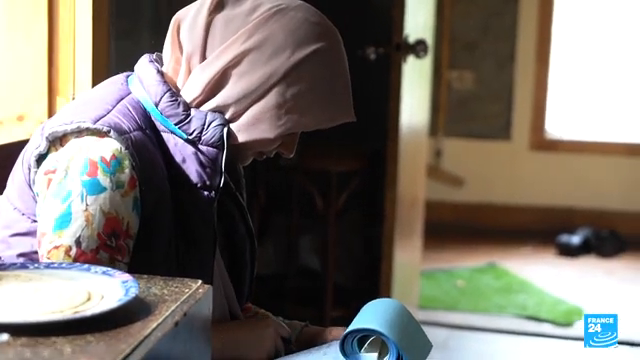
Empowerment: There is a strong cultural emphasis on education, particularly
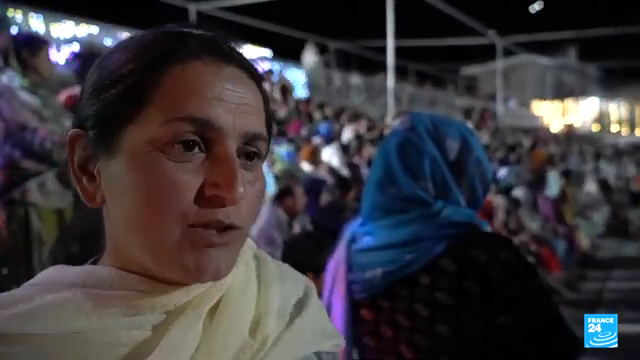
Image for chunk 1

for girls [02:36]. This contrasts with national Pakistani statistics, where female literacy is approximately 53% and formal employment for women is roughly 24% [02:16].

Women in Business: Women play an active role in the local economy, ranging from management and accounting to hospitality and organic farming [01:34]. Local entrepreneurs actively source products from female vendors to foster self-sufficiency within the community [01:59].

Tourism and Economic Development

The valley has transitioned into a major tourist destination, receiving nearly 200,000 visitors in 2025 [02:58].

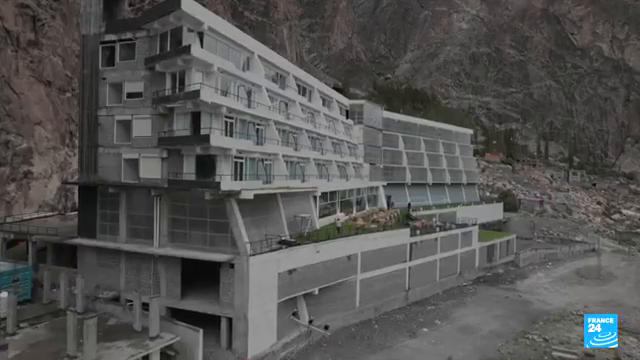
Construction Boom: Infrastructure is expanding rapidly to a

Image for chunk 2

ccommodate the surge in visitors, including the construction of large-scale luxury hotels on sites formerly created by natural disasters, such as 2010 landslides [02:49].

Economic Necessity: Project managers view this development as a vital economic lifeline for thousands of locals, though there is a recognized tension between this necessity and the resulting scarring of the landscape [03:09].

Environmental Challenges: Climate Change

The region faces an existential threat from climate change, which endangers both the local infrastructure and the broader water security of Pakistan.

Glacial Retreat: Gilgit-Baltistan contains the largest con

Image for chunk 3

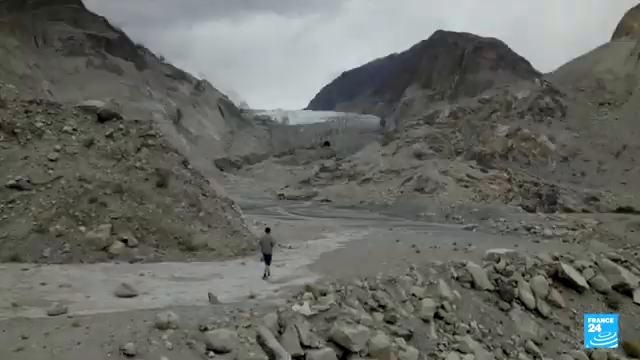
centration of ice outside the polar regions [03:51]. Scientists report that high-altitude glaciers in this area are retreating 65% faster since 2010 compared to the previous decade [04:39].

Visual Evidence: Guides report irreversible changes; for example, the Pasu glacier has shrunk from 20 km to 12 km in length [04:18].

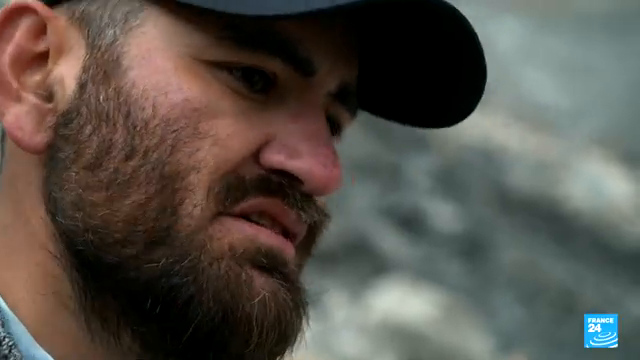
Disaster Risks: The melting of these glaciers creates small, unstable glacial lakes. When these burst, they cause catastrophic floods and landslides that threaten villages and local heritage [04:48].

Impact Summary

The following table illustrates the dual nature of the changes currently impacting the region:

Driver Positi

Image for chunk 4

ve Outcome Negative Risk

Development Economic growth & jobs Environmental scarring

Tourism Infrastructure investment Sustainability concerns

Climate Change None identified Loss of freshwater & disasters

Ultimately, the rapid melting of these glaciers is a critical concern, as they serve as the primary source of freshwater for more than 220 million people across Pakistan, making the stability of the Hunza Valley a matter of national food and water security [05:11].

Video URL: https://www.youtube.com/watch?v=TSO0jL3FckM

Gilgit-Baltistan: Pakistan's tourist jewel tested by development and climate change • FRANCE 24

FRANCE 24 English · 3.8K v

Image for chunk 5

Viewer Discussion & Comments

@贞刘-p1z
Adventure time.😊
@jamesaicwangai113
broke hacker
@jamesaicwangai113
fake news
@shreba101
Gilgit-Baltistan is part of Pakistan Occupied Jammu and Kashmir.