How America Saved the Yen (for now)


Channel: TLDR News Global
Uploaded by TLDR News Global on 20260804
Categories: People & Blogs
Tags: tldr, news, politics, international
Order a copy of our magazine Too Long: https://toolong.news/TL009 Vote for the World’s Best Flag: https://pollunit.com/polls/c5keHjadFmPBEXUe29G5hQ In this video, we’re going to try to figure out why the US bailed out Japan, and explain why it could backfire. 📰 Too Long: https://toolong.news/ 🎉 TLDR Party: https://toolong.news

The YouTube video "How America Saved the Yen (for now)" by TLDR News Global discusses the recent unexpected intervention by the US Treasury to support the Japanese yen, the economic reasons behind the yen's decline, and why this rescue effort could potentially backfire.

Here is a detailed breakdown of the content covered in the video:

1. The Intervention [00:00]

The Action: The US Treasury intervened in the foreign currency market to support Japan's currency, the yen [00:06]. This followed comments from US Treasury Secretary Scott Bessent descri
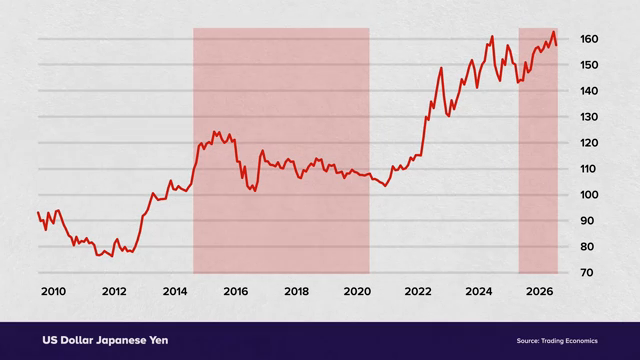

Image for chunk 1

bing the yen as "very undervalued" [00:01].

The Method: Interestingly, the US did not use US dollars for the intervention; instead, they used euros to buy up yen on the international market [03:00].

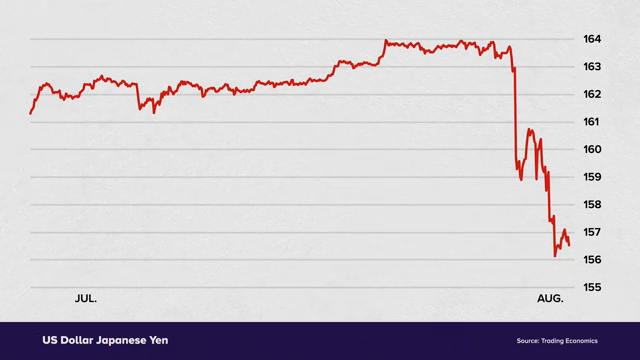
Immediate Result: The intervention worked in the short term, pushing the yen up from a low of about 164 to the dollar back below the 160 mark [03:07].

2. Context of the Japanese Economy and the Weakening Yen [00:47]

The Decline: The yen has seen a steady decline over the past couple of years [00:51]. While it hovered around 110 to the dollar through

Image for chunk 2

the late 2010s, it slipped to around 150 in 2022 and eventually crossed past 160 to reach 164 [00:58].

Causes: While there is no single consensus, the decline is largely attributed to persistent inflation in Japan since 2022, which eroded the real value of the yen and undermined its appeal as a safe-haven asset [01:31].

The Interest Rate Dilemma:

Normally, countries combat inflation and a weak currency by raising interest rates [01:54].

However, doing this in Japan is extremely difficult because of the country's massive government debt burden [0

Image for chunk 3

2:30].

Higher interest rates would dramatically increase debt-servicing costs (paying interest on outstanding debt), especially when bond yields are already surging and the government intends to continue spending [02:39].

3. Why Did the US Bail Out Japan? [04:08]

The video outlines three overlapping reasons for the US intervention:

Alliance: Japan is a key US ally and simply needed a helping hand, a point highlighted by President Trump in statements regarding strong financial ties [04:12].

Trade Deficits: Trump and his team dislike bilateral tra

Image for chunk 4

de deficits and believe currency strength plays a major role in them [04:41]. A stronger yen is presumed to reduce the US trade deficit with Japan by making Japanese exports less competitive and encouraging Japanese households to buy American goods [04:47]. (Note: Using euros instead of dollars complicates this logic, as selling euros weakens the euro, which could theoretically widen the US trade deficit with the EU [05:04].)

Financial Statecraft: This matches a broader pattern of the Trump administration using American financial heft to interve

Image for chunk 5

ne in other countries' affairs, similar to supporting the Argentinian peso and aiding Viktor Orbán's government [05:18].

4. Will This Strategy Work Long-Term? [05:33]

The long-term success of the intervention relies entirely on market credibility—whether traders believe the US and Japan will continue spending foreign exchange reserves to defend the yen [05:38]. However, the video notes two major reasons for skepticism:

Perceived Japanese Reluctance: The fact that the US had to step in suggests that Japan lacks the stomach to protect the yen on i

Image for chunk 6

ts own using its own massive foreign asset reserves, which could weaken investor confidence [06:03].

Conditional US Support: Using euros instead of dollars suggests the Trump administration's support is politically constrained and driven by optics (avoiding the appearance of directly handing dollars to Japan), undermining long-term credibility [06:30].

If the sell-off restarts, Japan will find itself with very limited options left [07:01].

http://www.youtube.com/watch?v=eorUErPV6to

How America Saved the Yen (for now)

TLDR News Global · 70K views

No image available for chunk 7

Viewer Discussion & Comments

@thejollygreendragon8394
America hoping to save itself from Japan selling off it's US Treasury Bonds
@archer_vice
Last time I was this early the Italians were in Tigray
@Kay_R
Bruh really, those reason you gave isn't the main reason.
@OneInchPunchR
More like: How america is trying to keep itself afloat by preventing more dumping of its bonds
@williamerazo3921
It didn’t save the Yen . It’s still dropping lol. Easy. They don’t want Japan to sell the US treasury bonds 😂
@smhmkkh
I think you’re wrong, the real reason why the US helped Japan is because Japan is the number 1 largest holder of US bond and they feared that to support the yen that Japan will sell a significant enough number of bonds which the US feared could kick off a self off doom loop bringing the US down, if you remember China has a similar ability that some experts online call it the nuclear option
@MrMordechaiAnilevich
It wasn't about the Yen. It was about US Bond Rates. If Trump is telling you it was to help Japan.... then you know it wasn't. You guys should stick to what you know. You failed to mention the gradual death of the Carry Trade. US Bond Rates and a lack of missile interceptors are the key reasons why the US backed out of their Iran strike.
@somayanbasu6253
I'm surprised you didn't mention US not wanting to raise its own interest rate and yet their 10Y and 30Y bond yields going surprisingly high, leading to Japan selling US bonds.
@boudivv
It’s not about the Yen! It’s about preventing Japan to sell their US bonds to support the Yen.
@tererenji
Japan has been going down for 30 years, because of US. 300 yen for USD was the only thing keeping this country industrial
@3fRp-3
They sold € to have liquidity to bail out Japan.
@Lapsieje
It’s not because they are friendly - this channel is like Alevel economics
@bgshin2879
Japan: Bro I am broke, I need to DUMP your debt
@alexbuckenham1663
Bessent got scared that Japan could sell more of it's $1.2tn in US treasury bonds so the US is helping them.
@wayne9028
4:38