The video "How China Launched a New Industrial Revolution," produced by the channel 2 and 20, explores how China transitioned from an agrarian economy to a global industrial superpower, specifically foc
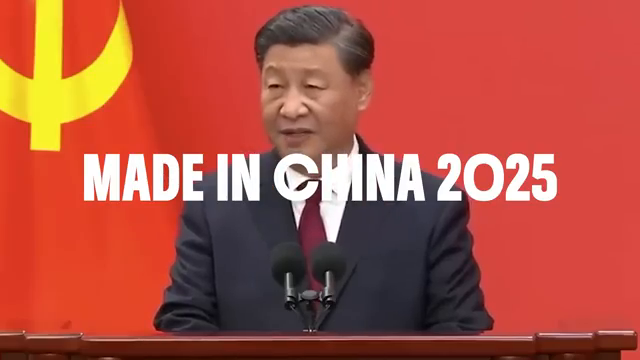
The video "How China Launched a New Industrial Revolution," produced by the channel 2 and 20, explores how China transitioned from an agrarian economy to a global industrial superpower, specifically foc
using on its dominance in the clean energy sector [01:22], [08:05].
Historical Context: From Mao to "Made in China 2025"
The video outlines a multi-stage transformation:
The Mao Era (1958–1976): Charact

erized by the "Great Leap Forward," which resulted in economic catastrophe and widespread famine [01:36].
Deng Xiaoping’s Reform (1978): Initiated the "reform and opening up" (gaige kaifang), allowing f
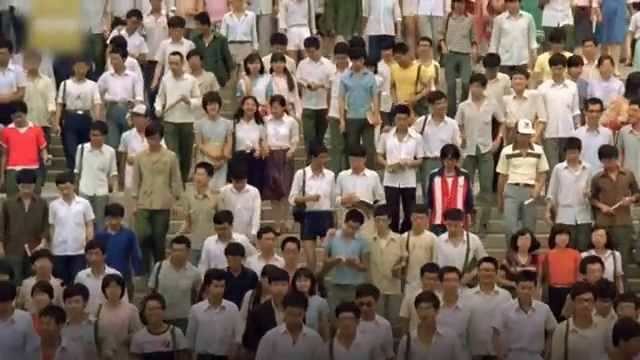
or market liberalization, foreign investment, and private enterprise [02:20].
The Rise of Manufacturing (1990s–2010): Capitalizing on low wages, China became the "world's factory" [03:32]. Notable miles
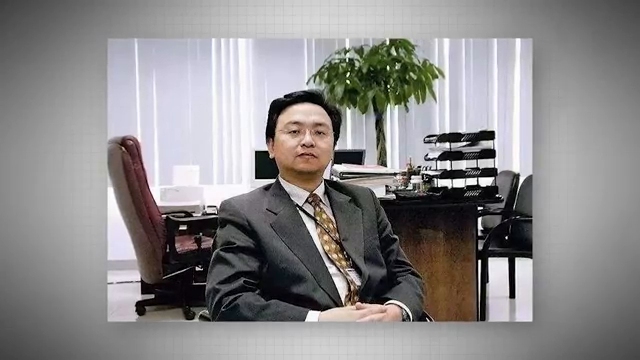
tones include joining the World Trade Organization in 2001 [05:04] and overtaking Japan as the second-largest economy by 2010 [05:40].
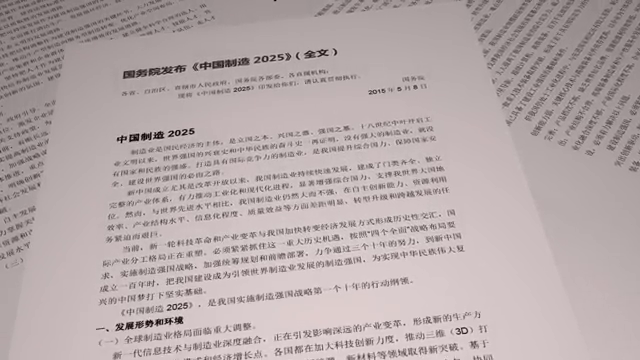
"Made in China 2025" (2015–Present): A strategic blueprint aimed at
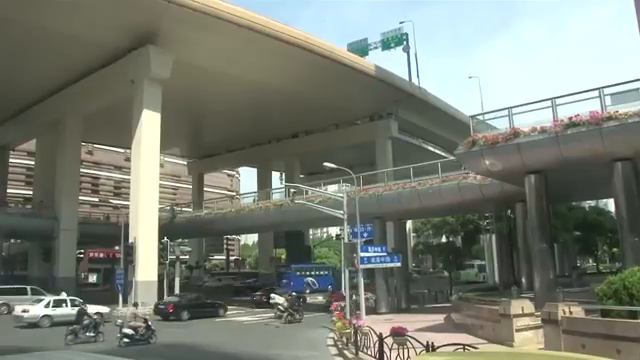
moving beyond low-end manufacturing to dominate high-tech sectors like robotics, biotechnology, and renewable energy [07:20].
Drivers of Dominance
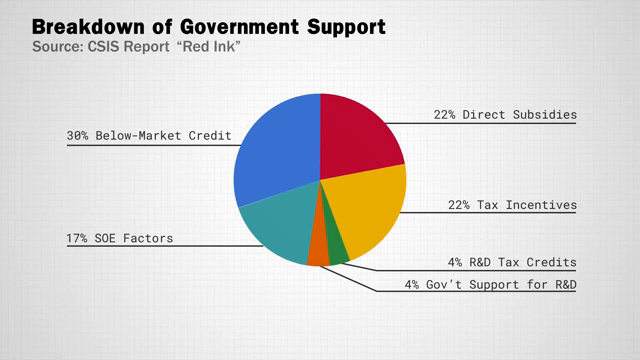
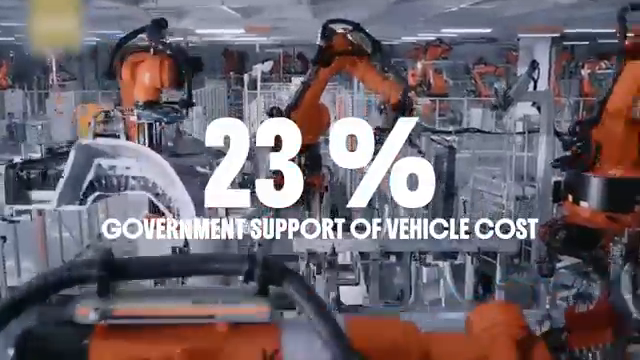
China's current industrial success is driven by compre
hensive state support, estimated at $400 billion in 2019 [09:40]. The mechanisms include:
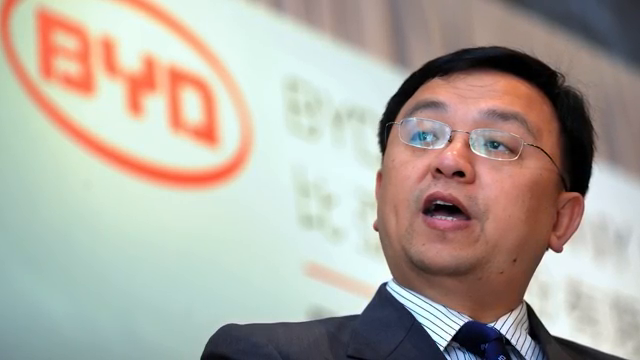
Direct Subsidies: Targeted financial support for producers, particularly in the EV sector (e.g., BYD received $3
.7 billion between 2018–2022) [10:02].
Cheap Financing: State-owned banks, which hold 60% of all banking assets, provide loans based on government priority rather than risk-return metrics [11:23].
Prefe
rential Treatment: Access to cheap land, lower electricity costs, and bulk government procurement of products [11:04], [11:50].
Supply-Side Focus: The government prioritizes investing in industrial capa

city over household welfare [14:37].
Economic Impact and "Overcapacity"
The video highlights a significant tension in the global economy regarding China's production levels:
Production vs. Consumption:
China represents 32% of global manufacturing but only 12% of global consumption [15:39].
The Overcapacity Problem: Because China produces far more than its domestic market can absorb (e.g., in 2023, sol
ar panel capacity was double the global demand), it creates a glut of exports [15:56].
Market Pressure: This overcapacity drives down prices globally, benefiting consumers and the environment, but makin
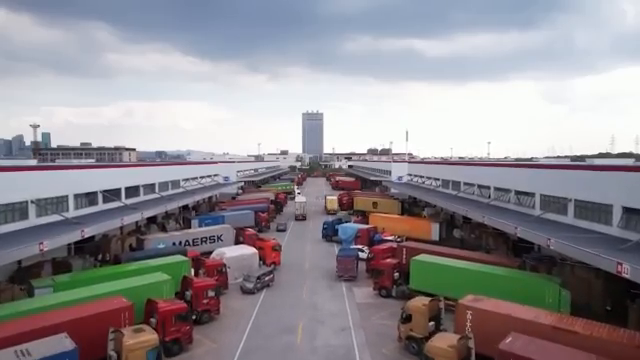
g it difficult for foreign and domestic companies to remain profitable [16:04], [17:28].
Summary of Market Dominance (as of 2025)
China controls a vast portion of the green technology supply chain:
Sect
or Global Market Share
Solar Panel Production ~80%
Wind Turbine Production ~60%
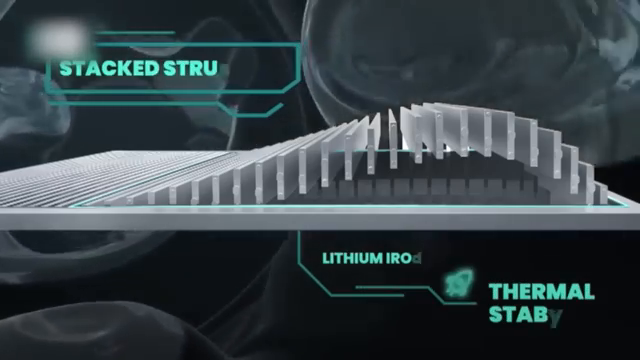
Lithium Battery Production Up to 90%
The video concludes by questioning the sustainability of this model and the geopoliti
cal implications of relying on a single country for critical modern technologies [17:42].
Video URL: https://www.youtube.com/watch?v=dPnWALbxUoE
How China Launched a New Industrial Revolution
2 and 20 ·
Viewer Discussion & Comments