How The Economic Machine Works by Ray Dalio


Channel: Principles by Ray Dalio
Uploaded by Principles by Ray Dalio on 20130922
Categories: Education
Tags: Ray Dalio, Economy, Economic, Machine, How, Collapse, Crisis, 2013, 2008, Global, Theory, Bridgewater Associates (Organization), Depression, Deleverage, Recession, Financial Crisis, Credit Crisis, Animation, Economics, Economists, Deleveraging, Market, Principles
Economics 101 -- "How the Economic Machine Works." Created by Ray Dalio this simple but not simplistic and easy to follow 30 minute, animated video answers the question, "How does the economy really work?" Based on Dalio's practical template for understanding the economy, which he developed over the course of his career, the video

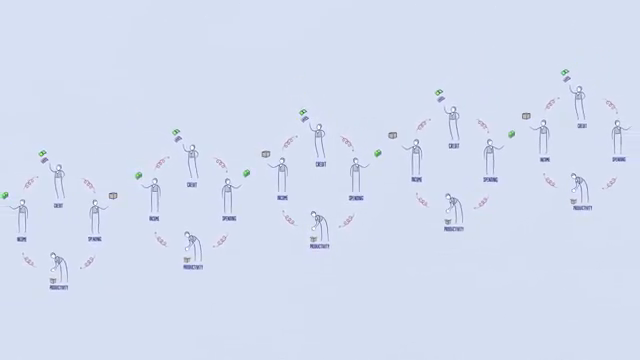
The video "How The Economic Machine Works by Ray Dalio" provides a comprehensive template for understanding economics through a simple, mechanical framework. Ray Dalio explains that the entire economy is driven by basic transactions repeated millions of times, which are propelled by human nature and form three main economic forces.

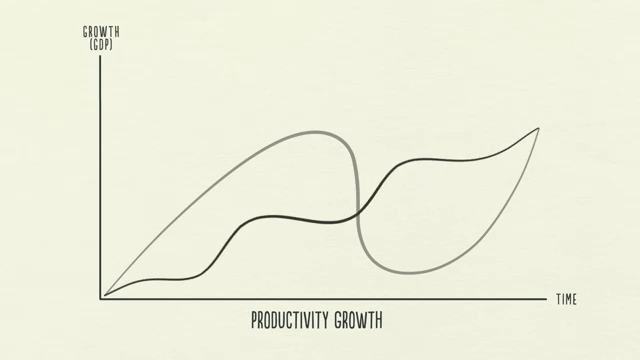
The Three Main Economic Forces

Economic
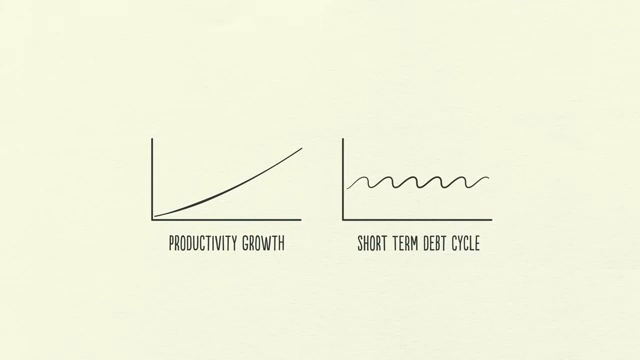
Image for chunk 1

Activity

^

| / Short-Term Debt Cycle (5-8 years)

| /\ / \ /\

| / \ / \ / \

| / \/ \/ \_____ Long-Term Debt Cycle (75-100 years)

| /_________________________/

| / Productivity Growth Line (Long-term steady rise)

+--------------------------------------

Image for chunk 2

--------------> Time

Productivity Growth [01:05]: The steady, long-term accumulation of knowledge, innovation, and hard work that raises living standards. It does not fluctuate dramatically and is the foundational driver of the economy over the long haul.

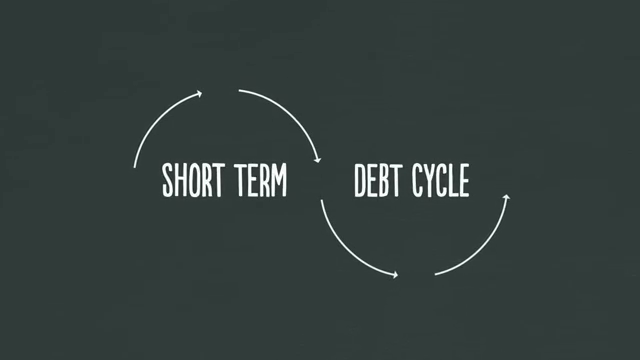
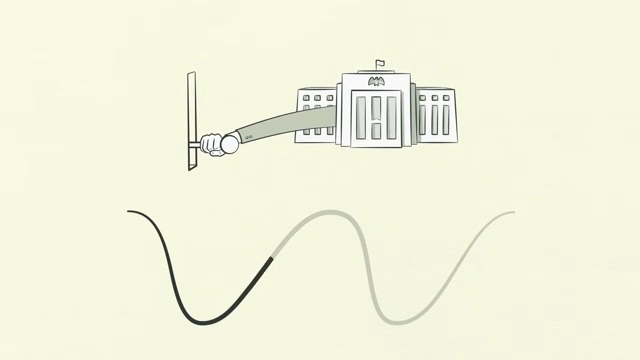
Short-Term Debt Cycle [01:05]: Driven by credit availability, this cycle typically lasts 5 to 8 years and is heavily ma

Image for chunk 3

naged by the Central Bank via interest rates.

Long-Term Debt Cycle [01:05]: Built up over 75 to 100 years, this cycle occurs because human nature naturally favors borrowing and spending over paying back debt, eventually leading to a massive debt peak and a subsequent deleveraging.

1. The Core Building Block: Transactions [01:20]

An economy is simply the sum of all transact

Image for chunk 4

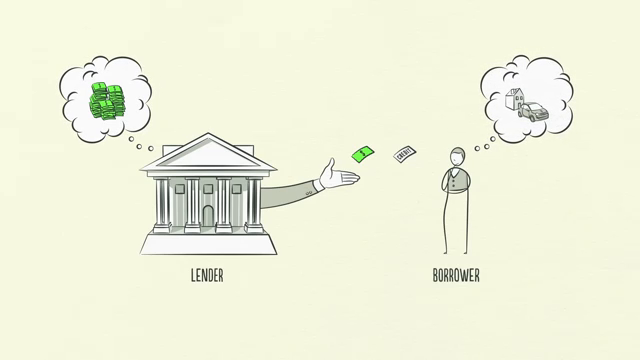
ions that take place. Every transaction consists of a buyer exchanging money or credit with a seller for goods, services, or financial assets.

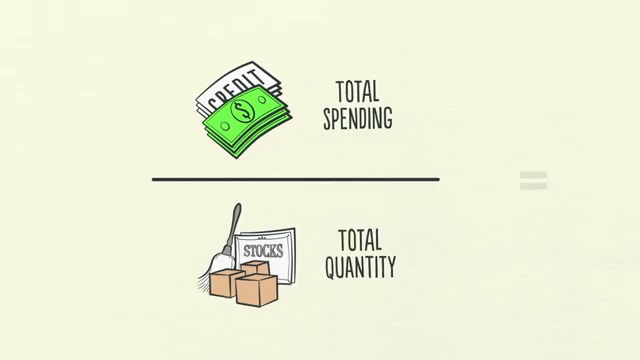
The Formula: Total Spending / Quantity Sold = Price [01:54].

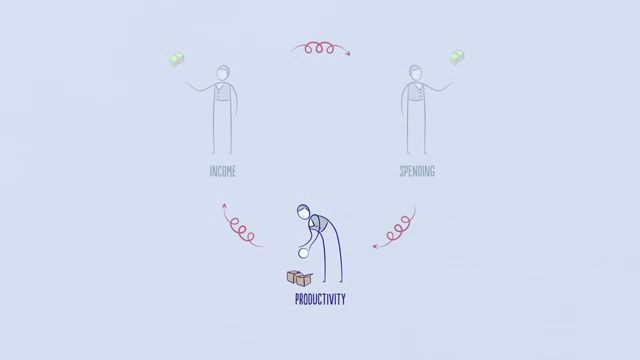
Spending Drives the Economy: One person's spending is another person's income [05:11]. When spending increases, incomes rise, making borrowers more creditworthy.

Credit vs

Image for chunk 5

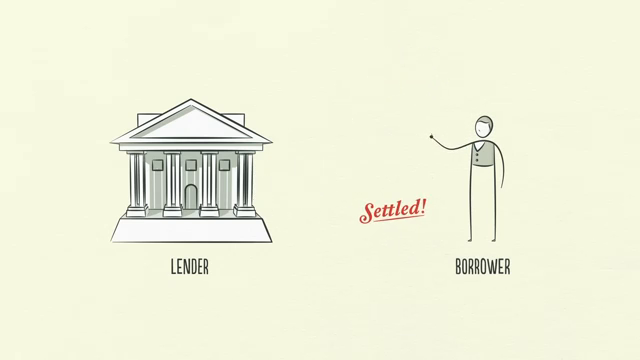
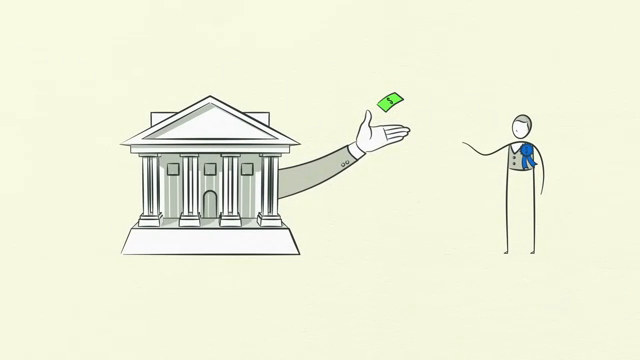
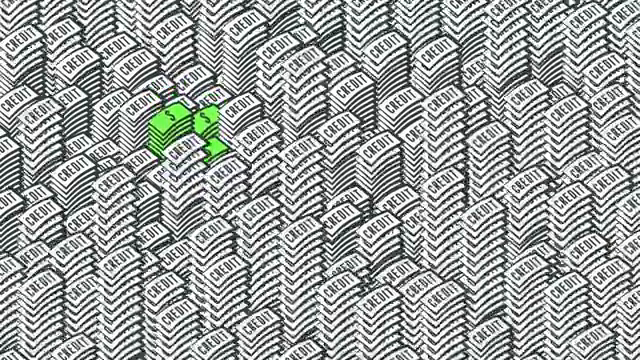
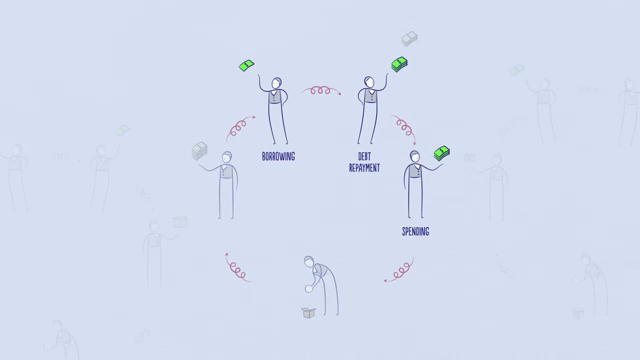
. Money: Money settles transactions immediately [09:10]. Credit creates a promise to pay in the future, establishing an asset for the lender and a liability (debt) for the borrower. When the debt is paid back, the asset and liability disappear.

2. The Short-Term Debt Cycle [11:57]

When credit is easily accessible, spending increases faster than the production of goods, cau

Image for chunk 6

sing prices to go up—a phase known as inflation.

[ Central Bank Raises Interest Rates ]

|

v

Borrowing Becomes Expensive -> Spending Drops

|

v

Prices Fall (Deflation) -> Recession Begins

|

v

[ Central Bank Lower

Image for chunk 7

s Interest Rates ]

|

v

Borrowing Cheapens -> Spending Restarts

|

v

Economic Expansion

This cycle repeats continuously, but because human nature inherently pushes people to borrow more rather than pay it back, each successive cycle finishes with more accumu

Image for chunk 8

lated wealth and more accumulated debt than the previous one [14:15].

3. The Long-Term Debt Cycle and Deleveraging [14:34]

Over many decades, debts rise faster than incomes, creating a massive "bubble" where asset values soar and people feel wealthy [15:05]. Eventually, debt repayments grow too large, forcing people to cut spending. Because spending is income, incomes drop

Image for chunk 9

, reversing the entire cycle at the long-term debt peak (such as in 1929, 1989 in Japan, and 2008 globally) [16:33].

This triggers a Deleveraging, where interest rates cannot be lowered further because they are already at 0% [18:11].

The 4 Ways to Bring Down Debt Burdens [19:10]

Method Economic Impact Practical Reality

1. Austerity (Cutting Spending) [19:45] Deflationary &

Image for chunk 10

Painful Incomes drop faster than debts are repaid; the debt burden actually worsens.

2. Debt Defaults & Restructuring [20:34] Deflationary & Painful Lenders agree to accept less or extend timelines; assets disappear, causing depressions.

3. Wealth Redistribution [22:10] Socially & Politically Tense Governments raise taxes on the wealthy to fund stimulus plans and aid the

Image for chunk 11

unemployed.

4. Printing Money [24:12] Inflationary & Stimulative The Central Bank prints money out of thin air to buy financial assets and government bonds.

4. Achieving a "Beautiful Deleveraging" [26:01]

A deleveraging can either be "ugly" (leading to hyperinflation or deep societal depression) or "beautiful." A beautiful deleveraging occurs when policy makers strike the

Image for chunk 12

perfect balance between the deflationary methods (spending cuts, defaults, taxes) and the inflationary method (printing money) [26:50].

The Key Rule: The Central Bank must print enough money to get the rate of income growth higher than the rate of interest on the accumulated debt (e.g., if debt interest is 2%, income growth must be pushed above 2%) [27:38].

The Danger: Pri

Image for chunk 13

nting too much money can trigger disastrous hyperinflation, as seen in Germany during the 1920s [28:32]. If managed correctly, the debt burden drops, and the economy enters a slow recovery phase called reflation. It usually takes about a decade for the economy to normalize, often called a "lost decade" [29:17].

Three Core Rules of Thumb [30:02]

Do not let debt rise faster

Image for chunk 14

than income: Eventually, your debt repayments will crush you.

Do not let income rise faster than productivity: You will ultimately become uncompetitive on a broader scale.

Do all you can to raise your productivity: In the long run, productivity is what matters most for sustaining living standards.

How The Economic Machine Works by Ray Dalio

Principles by Ray Dalio · 93M vi

Image for chunk 15

Viewer Discussion & Comments

@KaizokuOuOre
Can we all take a moment to appreciate the quality of the animation here!! Simply extraordinary
@EcclesiastesLiker-py5ts
The moral of the story: Debt is for investment, not expenditure.
@piotrc3718
I think one needs to be a genius in order to be able to explain such an incredibly complex thing in such a beautifully simple way.
@PrashantChandra-o3b
This is one of my all time favourite videos.better than my degree.
@yamanhaidary3945
This 30-minute video is worth more than my 4 years of studying economics combined