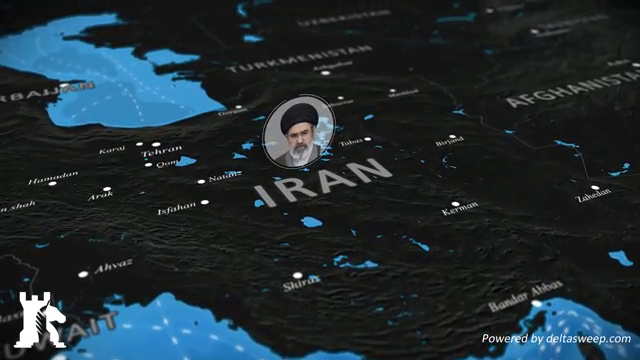
How the Houthis trapped Saudi Arabia


Channel: CaspianReport
Uploaded by CaspianReport on 20260801
Categories: News & Politics
Tags: Saudi Arabia, Houthis, Houthi rebels, Red Sea crisis, Bab el Mandeb, Strait of Hormuz, Saudi oil exports, global oil prices, oil supply, oil crisis, energy security, shipping crisis, maritime trade, Suez Canal, Yanbu oil terminal, Iran Saudi Arabia, Middle East conflict, US military, Israel Iran, missile attacks, geopolitical analysis, geopolitics, world news, CaspianReport
Stay better informed https://ground.news/caspian and access worldwide perspectives on global developments. Subscribe for 40% off unlimited access through my link. Saudi Arabia and the Houthis are drifting back toward war. Attacks at sea and across the border threaten Saudi oil exports and are pulling other countries into the fight

How the Houthis Trapped Saudi Arabia

A detailed breakdown of CaspianReport’s analysis on the escalating maritime and military standoff between Yemen’s Houthi movement and Saudi Arabia in the Red Sea.

1. The Sudden Escalation in the Red Sea

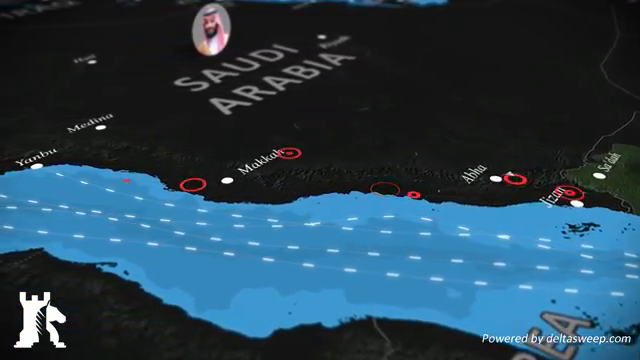
The Houthis extended their Red Sea maritime campaign—which initially targeted vessels tied to Israel—to directly target Saudi Arabian economic interests [00:36].

The Embargo: The Houthis declared an embargo against vessels connected to Saudi Arabia and claimed attacks on two Saudi oil tankers using drones and anti-ship missiles [00:43].

Disruption: At least eight vessels traveling to or
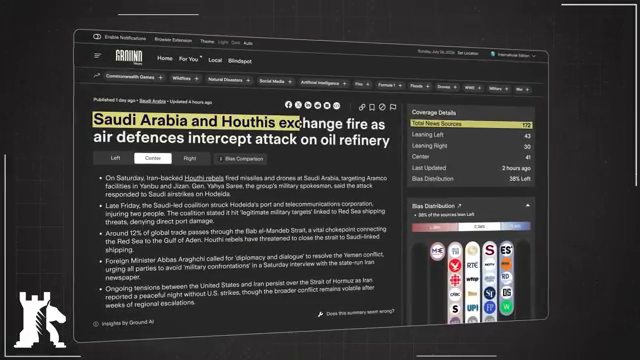
Image for chunk 1

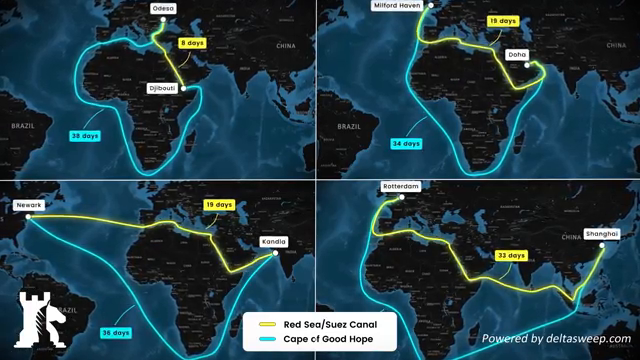
from Saudi ports reversed course or diverted toward the Suez Canal rather than entering the Bab al-Mandeb Strait [00:52].

Cross-Border Strikes: The group launched a missile attack against Abha Regional Airport in southern Saudi Arabia [01:16], marking their first cross-border strike against the kingdom in nearly four years.

2. Background and Strategic Context

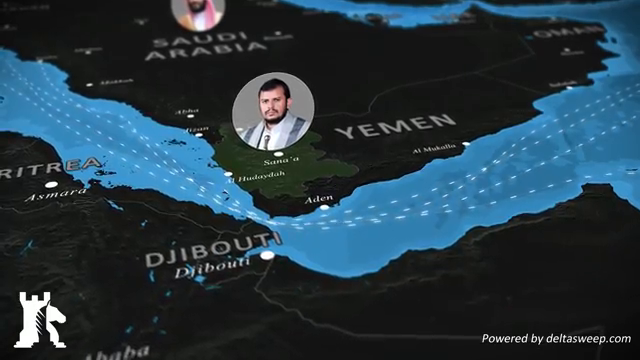
The confrontation stems from the aftermath of Saudi Arabia’s 2015 military intervention in Yemen’s civil war [03:28]. Although a UN-mediated truce in 2022 halted major fighting [04:24], Saudi Arabia maintained air and sea restrictions on Houthi-controlled territory.

Image for chunk 2

The "Eye for an Eye" Strategy: The Houthis justify their current maritime blockade as a direct counter-measure: as long as Saudi Arabia restricts Houthi supply routes, the Houthis will target Saudi shipping lanes [04:32].

3. The Chokepoint Dilemma: From Hormuz to Bab al-Mandeb

Saudi Arabia relies heavily on alternative export routes to bypass the Strait of Hormuz [06:08]. The kingdom’s East-West Pipeline moves crude oil across the Arabian Peninsula to the Red Sea port of Yanbu [06:17].

[Eastern Oil Fields] ──(East-West Pipeline)──> [Port of Yanbu (Red Sea)] ──> [Bab al-Mandeb Strait]

Exports from Yanbu’s King Fahd Indust

Image for chunk 3

rial Port expanded dramatically to roughly 4 million barrels per day [06:33].

By shifting its oil traffic away from the Strait of Hormuz to the Red Sea, Saudi Arabia swapped one vulnerable maritime chokepoint for another [06:42].

Because Houthis control territory bordering the Bab al-Mandeb, even asymmetric attacks with low-cost drones and missiles drastically inflate shipping insurance premiums and force costly rerouting [07:01].

4. Possible Escalation Paths & Strategic Options

Saudi Arabia faces a critical dilemma regarding how to respond to Houthi actions [09:03]:

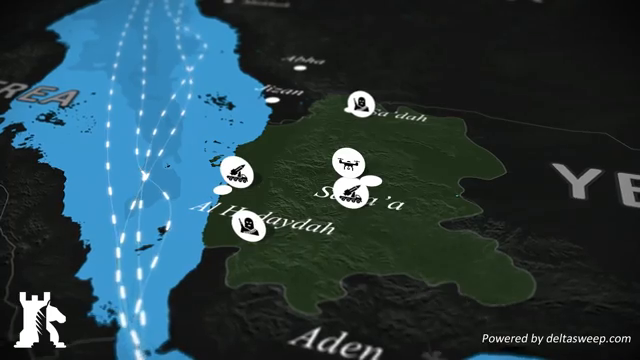
Option A: Limited Retaliatory Strikes

Targets: Houthi l

Image for chunk 4

aunch sites, drone storage facilities, and tactical military outposts [09:45].

Goal: Signal military resolve without threatening the Houthi leadership's core survival [09:56].

Option B: Expanded War & Strategic Escalation

Targets: Sana'a Airport, Al-Hudaydah Port, high-level government facilities, or senior leadership [10:14].

Risk: The Houthis would likely retaliate with direct missile and drone barrages against Yanbu oil terminals, Saudi airports, and desalination plants [10:25].

Option C: Diplomatic Negotiation via Iran

Approach: Work through active communication channels with Tehran to broker a truce with the Houthis

Image for chunk 5

[11:51].

Concessions Required: Relaxing air and sea restrictions on Houthi ports/airports or releasing frozen funds [12:16].

Risk: Concessions could reinforce the idea that targeting maritime trade yields political leverage [12:35].

5. Global Energy Market Implications

Scenario Impact on Shipping & Oil

Bab al-Mandeb Blockade Only Tankers reroute through the Suez Canal or around Africa [13:47]. Increases transit time, fuel usage, and insurance costs, but avoids a sharp reduction in global crude supply [14:14].

Direct Strikes on Yanbu Infrastructure Sustained strikes against the East-West pipeline or Yanbu loading terminals

Image for chunk 6

would physically remove millions of barrels of oil per day from the global market, sparking a global oil price surge [14:39].

Summary

Neither party benefits from a full-scale return to war: the Houthis seek economic concessions, while Riyadh aims to protect its critical infrastructure and Vision 2030 development goals [15:18]. However, with minimal room for error and growing international involvement, a single misstep risks triggering a far larger regional conflict [15:37].

Want me to summarize the specific options Saudi Arabia has to secure the Yanbu port?

Yes

How the Houthis trapped Saudi Arabia

CaspianReport · 24K vie

No image available for chunk 7

Viewer Discussion & Comments

@CaspianReport
Stay better informed https://ground.news/caspian and access worldwide perspectives on global developments. Subscribe for 40% off unlimited access through my link.
@Ar1AnX1x
I completely prefer ground news ads to the AI slop ads
@eshan9680
"The graveyards are full of people who thought they had more time"
@grandmufftwerkin9037
Future wars will go full Scipio on Carthage.
@joshsnps
This channel is criminally underrated
@KellyEgbo
Things getting real bro
@theyoungsomali
This was a vintage CaspianReport trademark production. 💐
@borisstanislav4560
When Youtube wasn't censored back in the day there used to be a video series called 'When Houthis Attack', needless to say Saudi Arabia got destroyed by very capable guerrilla warriors, Hope those videos are archived somewhere on the internets👍
@lazarshtarbov1946
You made a video showing how easy it was for the Arab nations to bypass the Iranians' so-called blockade. Will you address the claims you made in that video? The pipelines were struck, and the fuel stopped flowing.
@ChoctawCoyote
"The graveyards are full of people who thought they had more time" Killer quotes as always, Shirvan
@Banff454park
The resilience of the Houthi forces is unprecedented: six wars (2004-2014), a Saudi-led aerial-ground operations (2015-2022/present) and American-Israeli-led aerial-naval operations (2023-2025/2026) have been launched against the Zaydism-led movement. However, they still managed to radiate a significant threat (deterrence & offensive) on a national level, regional level and global level.
@AnnMargot-y6d
The government don't care about us any more, but As a single parent Life looks better now, $21k biweekly, retired at 48, nice clothes good food, a beautiful home, a good son full of love went from Grass to Grace. I used to pray for times like this.
@soundslight7754
Everyone is poking Saudi Arabia: Yemen, America, Israel, UAE, Iran, Iraq, Qatar and even the CaspianReport
@harunmusa8693
The graveyards are full of people that FAFO'd with the Houthis ☠️
@gary_baines
"I've been your host, Shirvan"