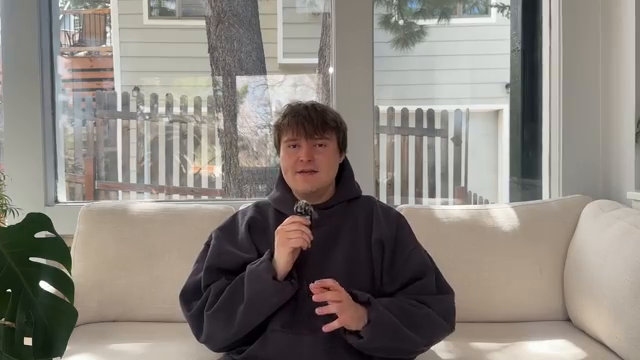
The video "Influencer Fatigue Is Real" from the channel Original Paradigms explores the shift in the creator economy and the growing public resentment toward influencers.
The Evolution of Influencer Cultur
The video "Influencer Fatigue Is Real" from the channel Original Paradigms explores the shift in the creator economy and the growing public resentment toward influencers.
The Evolution of Influencer Cultur
e
Historically, platforms like YouTube were spaces for genuine passion—people shared recipes, gaming, or art for community connection rather than profit [00:37]. As corporations realized the reach these cr
eators possessed, the landscape shifted:
Monetization: Agencies formed, sponsorship deals became standard, and "influencer" emerged as a viable, full-time job title [01:04].
Loss of Authenticity: When cont
ent creation became a business governed by posting schedules and brand talking points, the sense of connection for audiences eroded [02:37].
Why Audiences Feel Disconnected
The video argues that much of th
e frustration stems from the disconnect between influencers and their viewers:
Out-of-Touch Content: Influencers often complain about the difficulties of content creation while living in multi-million doll
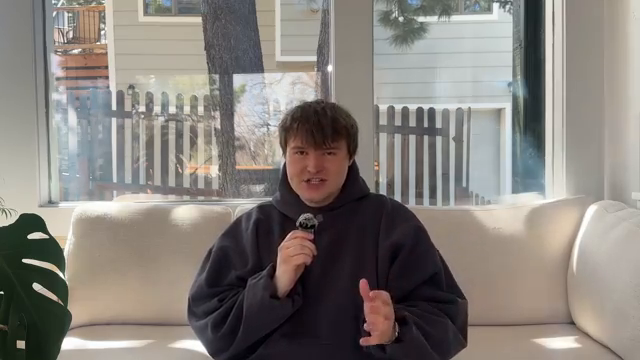
ar homes, which fails to resonate with viewers struggling with real-world economic pressures like rent and groceries [04:11].
Performative Authenticity: Some creators use vulnerability (crying on camera, d
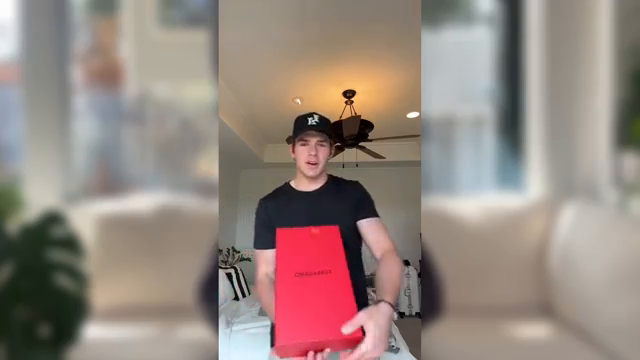
iscussing mental health) as a strategic tactic rather than a genuine expression, which audiences eventually perceive as fake [09:41].
Privacy Violations: A growing genre of content involves filming strange
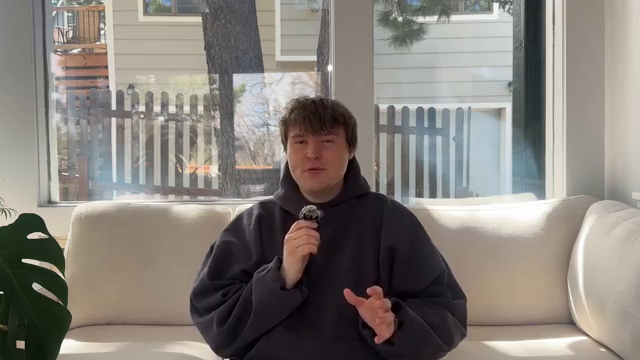
rs in public without consent, often using smart glasses, to manufacture "engaging" social interactions [08:31].
The Economic and Social Drivers
The pursuit of influencing has become a "side hustle" for man

y because traditional paths to success—degrees and stable employment—often feel unattainable or unstable due to inflation, student debt, and layoffs [11:00].
The "Hub's Life" Case Study: The video highligh
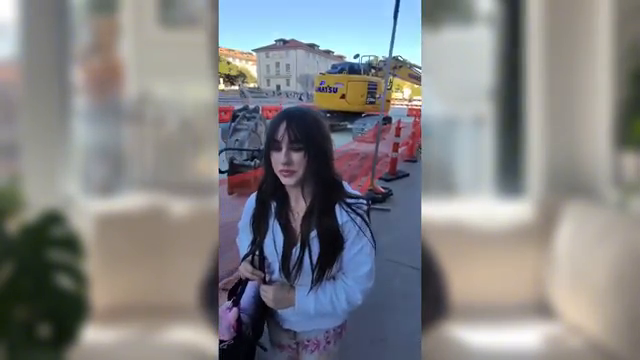
ts this creator as an example of "authenticity fatigue." He gained millions of followers by filming a mundane, relatable 9-to-5 job routine. When he quit his job to become a full-time influencer and asked
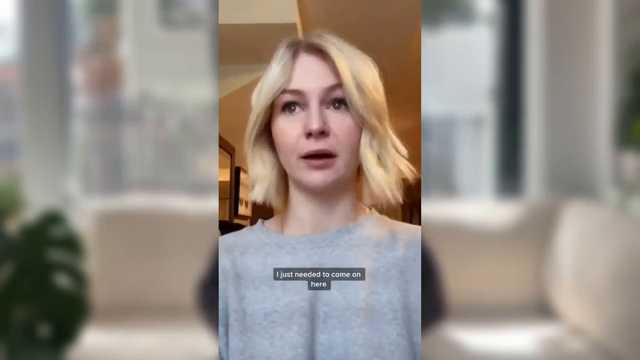
for donations, his audience felt betrayed, revealing that the "realness" was the sole product they were consuming [12:09].
The Current State of the Industry
Category Trend Effect
Monetization Excessive ads
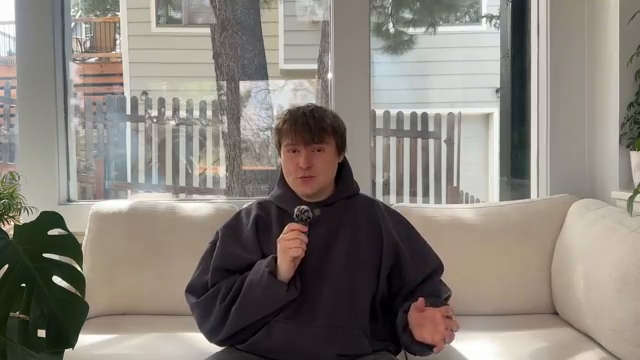
/affiliate links Viewers spend more time watching commercials than content [03:15].
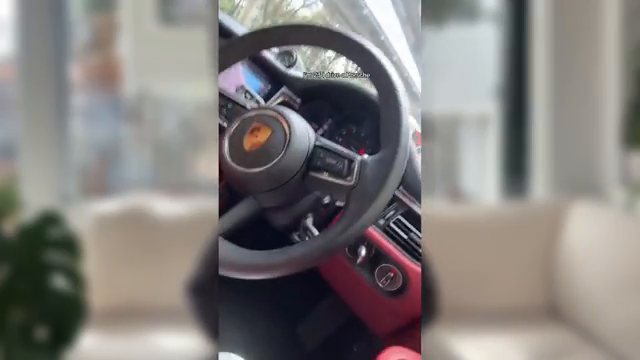
Lifestyle Luxury hauls/flaunting wealth Creates resentment and fuels FOMO [06:04].
Disclosure Lack of ad labeling Consume
rs are misled about the nature of recommendations [10:33].
The creator concludes that while audiences are becoming better at spotting forced, commercialized content, the underlying systemic issue remains:
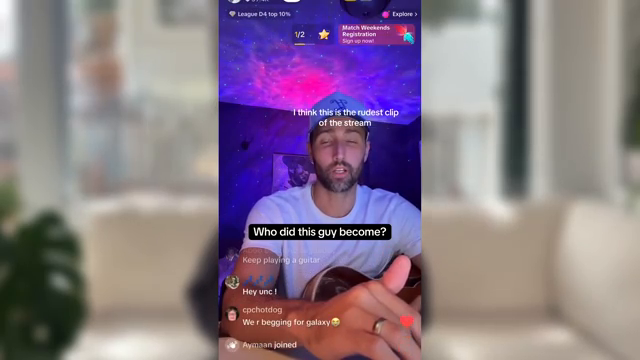
platforms incentivize this behavior because it generates profit [14:59]. Sustainable success is increasingly reserved for creators who stay true to their original niche and avoid "selling out" to brand dea
ls that compromise their integrity [14:11].
For more context on this topic, you can view the video here: https://www.youtube.com/watch?v=2VQJDKh9bC0
Influencer Fatigue Is Real
Original Paradigms · 191K vie
Viewer Discussion & Comments