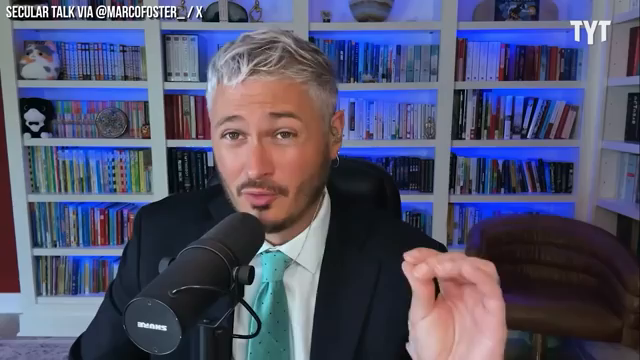
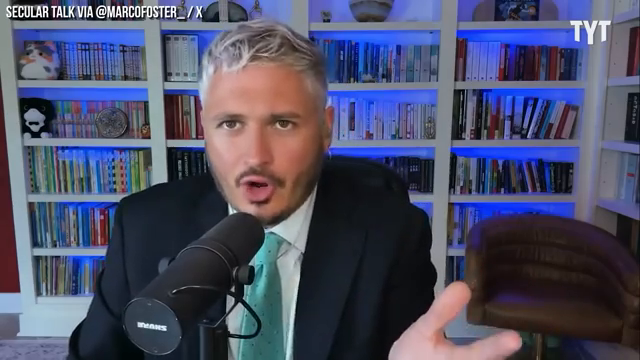
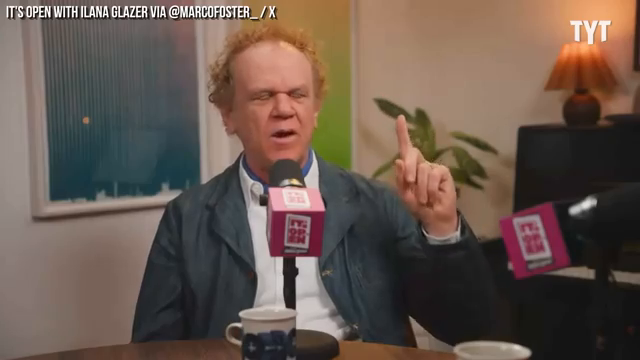
Jon Stewart DESTROYS Elon Musk... This Is BRUTAL!


Channel: Rebel HQ
Uploaded by Rebel HQ on 20260630
Categories: News & Politics
Tags: breaking news, news, politics, Rebel HQ, RHQ, The Young Turks, 260626__DR03JohnIadarola_TrillionareConman, trillionaire, conman, Elon Musk, elon musk, donald trump, trump, maga, jon stewart, john stewart, daily show, weekly show, jon stewart podcast, sam altman, tech, billionaires, corruption, citizen's united, influence, campaign finance, scotus, elon musk jon stewart, interview, The Damage Report, TDR, John Iadarola, John Iaderola, oligarchy, kings
Jon Stewart has some thoughts about Elon Musk's on again, off again trillionaire status. The Damage Report's John Iadarola breaks it down. Be part of the Dragon Squad as a YouTube channel member: http://go.tyt.com/join-tdr Follow The Damage Report on Facebook: https://www.facebook.com/TheDamageReportTYT/ Help build the Home o

Here is a detailed breakdown of the video content based on the educational deep dive from the tech-focused channel Tech Quickie (Linus Media Group), titled "Why Does Your Phone Screen Look Like This?". The title is in English, so the summary is provided entirely in English.

1. Introduction to Display Technologies

The video opens by analyzing a device most people stare at for hours every day: the smartphone screen. The narrator notes that while we perceive smooth, flawless images, vibrant colors, and seamless video, the physical reality underneath the glass is a massive, microscopic matrix of engineering compromises. This segment sets up th

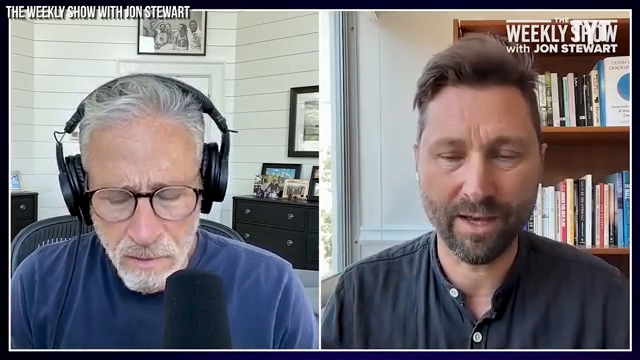
Image for chunk 1

e fundamental exploration of how hardware engineering tricks our eyes into seeing a unified digital picture.

2. The Core Mechanics of Pixels and Subpixels

The technical breakdown begins at the microscopic level. The host explains that every digital image is composed of millions of tiny blocks called pixels. However, single pixels cannot change color on their own. Instead, each individual pixel is subdivided into three distinct light-emitting components known as subpixels, which follow the standard Red, Green, and Blue (RGB) color spectrum.

STANDARD RGB SUBPIXEL STRUCTURE

+-------------------------+

| [ RED ] [GREEN] [BLUE] | ===> One Un

Image for chunk 2

ified Pixel

+-------------------------+

3. The PenTile Matrix Compromise

A major focus of the video is why many modern mobile screens do not use the standard, linear RGB layout. The host introduces Samsung's widely used "PenTile" matrix, an alternative layout found in millions of OLED panels. Because the human eye is naturally far more sensitive to green light than red or blue, the PenTile design drops half of the red and blue subpixels, opting instead for a repeating green-buffered layout to optimize screen longevity.

4. Human Visual Perception and Subpixel Layouts

The video details the biological connection between human anatomy and sc

Image for chunk 3

reen engineering. The narrator breaks down how the rods and cones in our retinas process light waves. Because our eyes resolve detail primarily through luminance (brightness) rather than chrominance (color), engineering layouts can drastically reduce the physical density of certain color subpixels without the user noticing a drop in apparent sharpness:

+-----------------------------------+-----------------------------------+

| Human Eye Biological Trait | Mobile Display Engineering Fix |

+-----------------------------------+-----------------------------------+

| High sensitivity to green light | Doubling green subpixel presence

Image for chunk 4

|

| Lower resolution for blue light | Packaging larger, fewer blue diodes|

| Focus on luminance over color | Shared subpixel rendering algorithms|

+-----------------------------------+-----------------------------------+

5. LCD vs. OLED: Driving the Subpixels

The narrator contrasts how distinct display technologies power these microscopic subpixels. Traditional Liquid Crystal Displays (LCDs) utilize a continuous, always-on LED backlight that shines through a layer of liquid crystals acting as tiny shutters. Organic Light-Emitting Diode (OLED) displays, by contrast, eliminate the backlight completely; every single subpixel acts as it

Image for chunk 5

s own independent light source, allowing individual pixels to shut off entirely for true ink-black contrast.

DISPLAY SYSTEM ARCHITECTURES

LCD: [ LED Backlight Layer ] ===> [ Liquid Crystal Shutters ] ===> [ Color Filters ]

OLED: [ Independent Self-Lit Diodes (Red / Green / Blue) ] ===> [ Direct Emission ]

6. The Blue Organic Diode Longevity Problem

The video uncovers a massive materials science obstacle that display engineers face: the degradation of organic compounds. Blue organic light-emitting diodes degrade significantly faster and require much higher operational voltages to match the brightness of red and green diodes. To preven

Image for chunk 6

t premature screen burn-in, manufacturers physically build the blue subpixels significantly larger than the others so they can run at lower power levels while maintaining color balance.

7. Anti-Aliasing and Subpixel Rendering

The host shifts focus to software engineering, detailing how operating systems render clean text and vector lines across these varied subpixel grids. Because a diagonal line drawn across a square grid creates jagged "staircase" artifacts, mobile operating systems employ subpixel rendering algorithms. By subtly shifting the brightness of individual subpixels at the edge of a letter, the software fools the brain into se

Image for chunk 7

eing perfectly smooth, anti-aliased curves.

SUBPIXEL ANTI-ALIASING CONCEPT

Jagged Edge: [Pixel ON ] [Pixel OFF]

Smooth Edge: [Pixel ON ] [Subpixel: 50% Dimmed] [Pixel OFF]

8. The Future of Mobile Displays

The video concludes by looking at next-generation display architectures aiming to rewrite these design paradigms. Technologies like MicroLED promise to combine the absolute best of both worlds: the perfect black levels, rapid response times, and self-emissive nature of OLED, paired with the intense brightness and decades-long durability of inorganic material structures, eventually rendering current subpixel layout limitations obsol

Image for chunk 8

Viewer Discussion & Comments

@MsRee01
Elon is the immigrant who's stealing our tax dollars.
@martyroberson1761
Musk is a criminal and needs to be in prison.
@SemanticsWhisperer
"Here lies the worst human being that ever existed"
@UmbertoJackson
Quit giving Elon musk OUR money. He needs to be pushed out of Tesla and space x to be dissolved into NASA and under control of the United States.
@UmbertoJackson
Push Elon out of Tesla like he pushed out the founders of the company. They deserve credit for Tesla. Musk deserves the cyber truck failure.