Native English Speakers NEVER USE These 16 Phrases.


Channel: English with Lucy
Uploaded by English with Lucy on 20260522
Categories: Education
Tags: #Grammar, #EnglishGrammar, #LearnEnglish
Stop saying these phrases if you want to sound natural in English! Learn why "my name is," "I would like," and "you're welcome" make you sound like a textbook, plus discover what native speakers actually say instead.*Get the FREE LESSON PDF* _here_ ๐Ÿ‘‰๐Ÿผ https://ex.ewl.info/pdf247 All other links at https://ewl.info In this lesson, y

This video by "English with Lucy" outlines 16 phrases that are commonly taught in English textbooks or literal translations from other languages, but sound unnatural to native speakers. The host focuses on British English alternatives to help learners sound more fluent.

16 Phrases to Avoid and Their Alternatives

# Textbook / Unnatural Phrase Why to Avoid It / Native Usage Better Altern
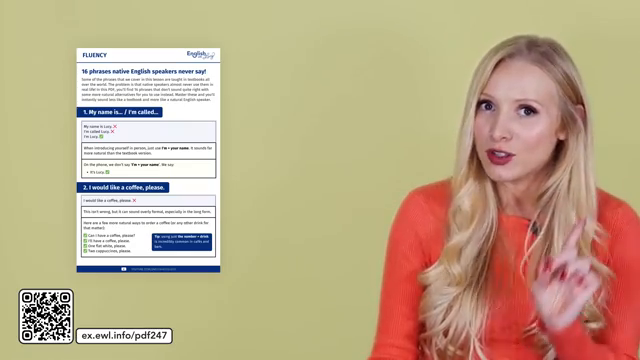
Image for chunk 1

atives

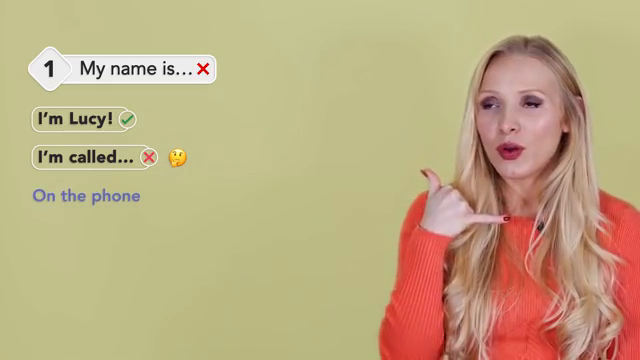
1 My name is... / I'm called... Rarely used for personal introductions; sounds too stiff. On the phone, "I'm..." is not used in the same way.

In person: "I'm [Name]"

On the phone: "It's [Name]"

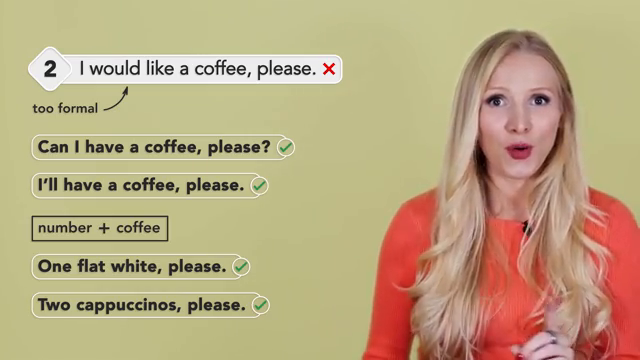
2 I would like a coffee Not wrong, but too formal for casual ordering (especially the long form "I would like").

"Can I have a coffee, please?"

"I'll have a coffee, please."

"One [coff

Image for chunk 2

ee type], please."

3 I must go now Sounds very serious. Native speakers prefer using "have to" or "have got to".

"Sorry, I have to go."

"Sorry, I've got to go." / "Got to go."

British slang: "Right, I'm off."

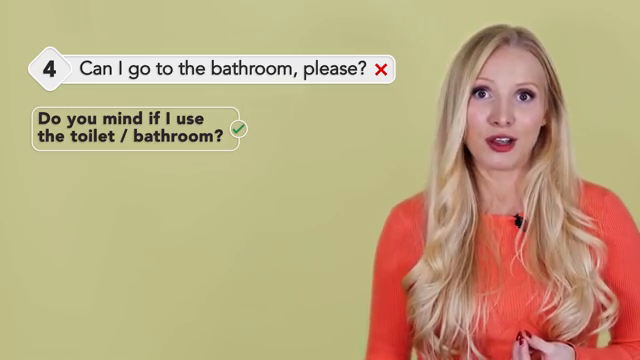
4 Can I go to the bathroom please? Sounds like a school child asking for permission.

"Do you mind if I use the toilet?" (UK)

"Do you mind if I use the bathroom?" (US)

British

Image for chunk 3

slang: "I'll just pop to the loo."

5 In my country... Grammatically fine, but native speakers rarely phrase it this way.

Mention the country directly: "In the UK, we..."

"Where I'm from, we..."

6 In my opinion... Good for formal or language exams, but sounds too rigid for everyday conversation.

"I think..."

British choice: "I reckon..."

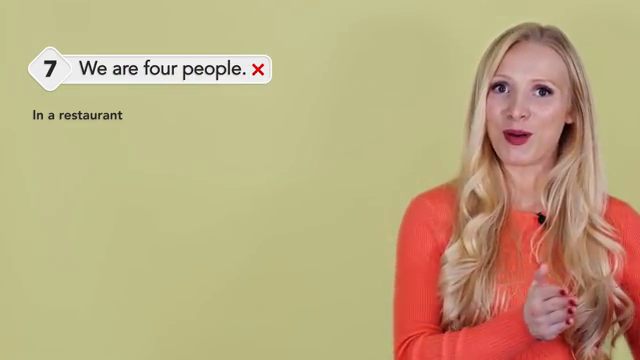
7 We are four people Avoid using "we are" to st

Image for chunk 4

ate a party size in a restaurant setting.

"A table for four, please."

"There are four of us."

8 I enjoy a lot / I like a lot Grammatically incorrect because "enjoy" and "like" require an object.

"I enjoy it a lot."

"I like it a lot."

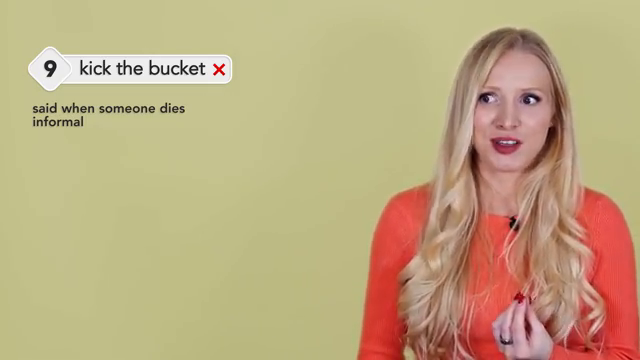
9 Kick the bucket Overusing idioms incorrectly. This is highly informal and can sound disrespectful or sarcastic.

"Passed away"

"Passed"

"Died"

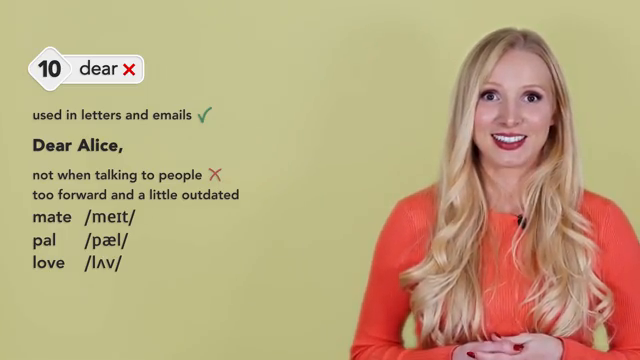
10 Dea

Image for chunk 5

r (as a spoken term of endearment) Outdated or overly forward in modern conversation. In the wrong tone, it can sound patronizing or sarcastic. Use with close friends: "Mate", "Pal", or "Love" (UK).

11 I'm concentrated on my studies The adjective "concentrated" refers to things like food (e.g., concentrated orange juice).

Adjective: "I'm focused on my studies."

Verb usage is fine: "I'

Image for chunk 6

m concentrating."

12 You're welcome Can sound quite formal depending on the context.

"No problem."

"Of course."

13 Going to swim / Going to cycle Unnatural when speaking about activities generally. The infinitive is only used for highly specific goals.

Use the "-ing" form: "I'm going swimming."

"I'm going cycling."

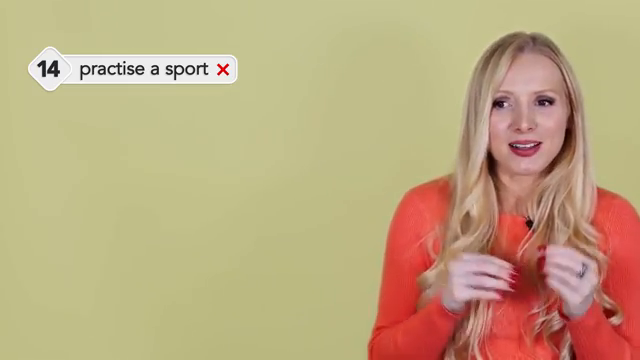
14 To practice a sport Typically a direct translation from a native l

Image for chunk 7

anguage that does not fit naturally.

"Do a sport"

"Play a sport"

15 Do you want to drink a coffee? / ...take a coffee? "Drink" is too literal for an invitation, and "take" is usually a direct translation error (unless asking about adding sugar/milk).

"Do you want to have a coffee?"

"...get a coffee?"

"...grab a coffee?"

16 Goodbye Formal and used far less frequently than textbook le

Image for chunk 8

arning implies.

"Bye."

"See you later." / "See you."

"Bye-bye" (often used with children, or playfully between adults).

Concept Relationship Map

The following text diagram illustrates how natural native phrasing branches away from textbook and literal translation patterns:

Plaintext

[ LEARNER ENGLISH PATTERNS ]

|

+------------

Image for chunk 9

-----------+-----------------------+

| |

[ Textbook/Formal Stiff ] [ Literal Translations ]

- My name is... - We are four people

- I would like... - Practice a sport

- I must go now - Drink/Take a coffee

Image for chunk 10

| |

+-----------------------+-----------------------+

|

v

[ NATURAL NATIVE ENGLISH ]

- Conversational Shortcuts (I'm..., I'll have...)

- Proper Object Usage (I enjoy IT a lot)

- Casual/Regional Phrasing (I reckon, L

Image for chunk 11

oo, I'm off)

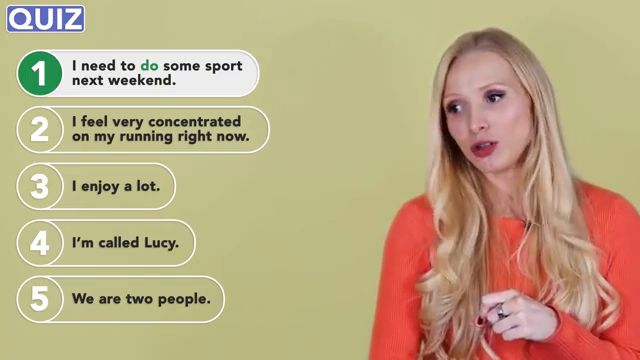
The video concludes with a quick 5-question review quiz testing the viewer's memory on the correct alternatives for introducing oneself, using verbs/adjectives properly (such as "focused" vs "concentrated"), and phrasing social interactions naturally.

URL: http://www.youtube.com/watch?v=zzvbUEULKtk

Native English Speakers NEVER USE These 16 Phrases.

English with Lucy ยท 337

Image for chunk 12

Viewer Discussion & Comments

@EnglishwithLucy
Stop saying these phrases if you want to sound natural in English! Learn why "my name is," "I would like," and "you're welcome" make you sound like a textbook, plus discover what native speakers actually say instead.*Get the FREE LESSON PDF* here ๐Ÿ‘‰๐Ÿผ https://ex.ewl.info/pdf247
@OlufemiAdeyanju
"My name is Bond, James Bond".
@Brindlebrother
Hello, I am called Geraldo and I would like everyone to know that I am called Geraldo. But I must go now. To the bathroom. In my country one always announces this beforehand. In my opinion this is the correct thing to do. This I enjoy a lot. I will do so until I kick the bucket. Thank you, dears.
@michaelbujaki2462
Native English speaker here, half of those phrases shown at 0:17 are spoken or used all of the time.
@Kinotaurus
In my opinion dear, you are being too harsh on "you are welcome". It's still very widely used, outside of very informal contexts.