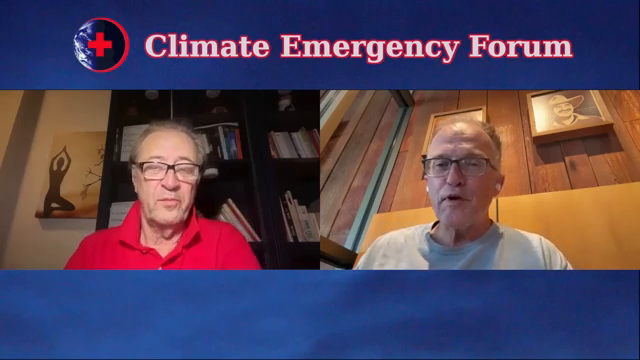
North America Is Heating Up


Channel: Climate Emergency Forum
Uploaded by Climate Emergency Forum on 20260712
Categories: Education
Tags: North America heat, summer heatwave, floods and storms, basement flooding, Ottawa extreme rain, Canada wildfires, boreal forest fires, US mega drought, heat dome, extreme weather, climate crisis, climate change impacts, climate science, IPCC North America, jet stream patterns, insurance market collapse, air quality, EPA AirNow, climate denial, climate politics, stratospheric aerosol injection, marine heatwaves, climate adaptation, climate resilience
In this episode we examine North America’s extraordinary early‑summer heat, floods, fires, and cascading impacts. From Ottawa’s record rainfall and basement‑flooding storm to northern Canada’s boreal forest ablaze, they connect local disasters to global climate dynamics and jet stream disruptions. This video was recorded on July 8

This video is titled "North America Is Heating Up" and is hosted by the Climate Emergency Forum. Below is a detailed breakdown of the content presented in the video.

Overview & Video Structure

Host: Herb Simmons (Author of A Climate Vocabulary of the Future)

Panelists: Paul Beckwith (Climate System Scientist) and Dr. Peter Carter (Expert on IPCC reports and climate impacts)

Main Theme: Extreme heat, severe weather events, wildfires, and accelerating climate change across North America (Canad
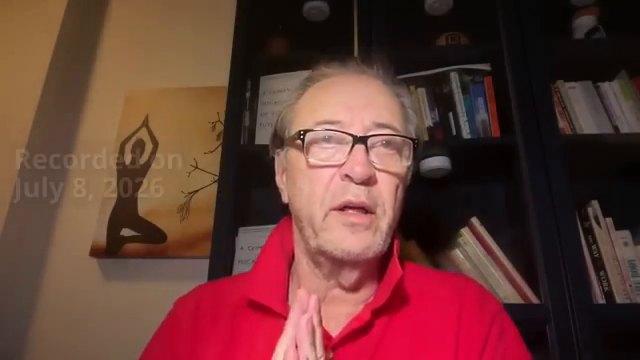
Image for chunk 1

a, the United States, and Mexico).

+-------------------------------------------------------------------------+

| CLIMATE EMERGENCY FORUM |

| "North America Is Heating Up" |

+-------------------------------------------------------------------------+

| 1. Introduction (Herb Simmons) |

| - Shift in focus from European heatwaves to North American climate. |

+----

Image for chunk 2

---------------------------------------------------------------------+

| 2. Weather Anomalies & Jet Stream Patterns (Paul Beckwith) |

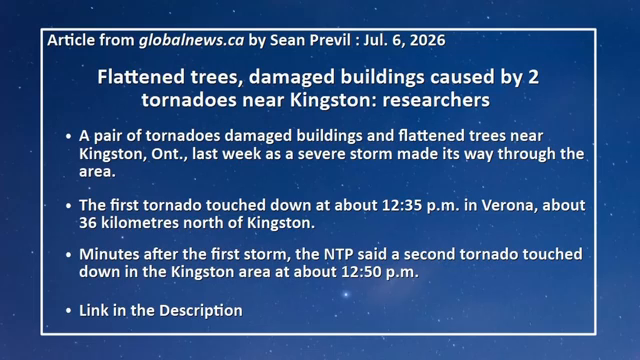
| - Persistent jet stream ridges, Ottawa flooding, micro-tornadoes. |

+-------------------------------------------------------------------------+

| 3. Heat, Drought, and Wildfires (Dr. Peter Carter) |

| - Canadian boreal wildfires, US heat domes, 46% US drought, IPCC. |

+--------------------------------------------

Image for chunk 3

-----------------------------+

| 4. Climate Information Tools & Data Sources |

| - Discussion of Earth Nullschool, Climate Reanalyzer, Climate.US, etc|

+-------------------------------------------------------------------------+

| 5. Systemic Risks & Media Coverage (Group Discussion) |

| - Agricultural vulnerabilities, insurance failures, cognitive gap. |

+-------------------------------------------------------------------------+

| 6. The

Image for chunk 4

Climate 3 (Herb Simmons' Weekly Roundup) |

| - Story 1: Dawn Supercomputer heat stroke in Cambridge. |

| - Story 2: Stratospheric Aerosol Injection (SAI) & Marine Heatwaves. |

| - Story 3: Livestock / Broiler chicken mortality in Europe. |

+-------------------------------------------------------------------------+

Detailed Summary by Segment

1. Introduction [00:47]

Host Herb Simmons introduces the episode, noting that after covering sev

Image for chunk 5

ere heat in Europe for two weeks, the panel is shifting its focus to North America.

The region is experiencing early summer heatwaves, widespread flooding, and other extreme climate events.

2. Regional Extreme Weather & Jet Stream Dynamics – Paul Beckwith [02:30]

Jet Stream Patterns [02:45]: Heatwaves across Europe and North America are interconnected through locked-in jet stream patterns. High-pressure ridges create persistent heat, while troughs sit south of cold anomalies in the Atlantic,

Image for chunk 6

locking extreme conditions in place for extended periods.

Ottawa Storm & Flooding Case Study [03:40]:

On July 1st, Ottawa experienced extreme rainfall (over 8 inches in some areas; 111 mm officially at the airport).

Over 4,500 basements were flooded, primarily due to backflow from overloaded municipal sewer systems [04:19].

Unreported Mini-Tornadoes [04:45]:

Paul notes power outages and damage across Ontario.

While inspecting storm damage near Sand Lake/Elgin, Ontario, he identified circula

Image for chunk 7

r tree-fall patterns indicative of a localized "mini-tornado" or downburst, which went unreported because it occurred on a private road [05:24].

Adaptation Measures [07:01]: Paul shares a personal example of building a backyard French drain system to protect against basement flooding, highlighting the need for localized adaptation as property insurance markets face increasing pressure [08:00].

3. Wildfires, Drought, & IPCC Assessments – Dr. Peter Carter [08:42]

Canadian Boreal Wildfires [08:

Image for chunk 8

50]:

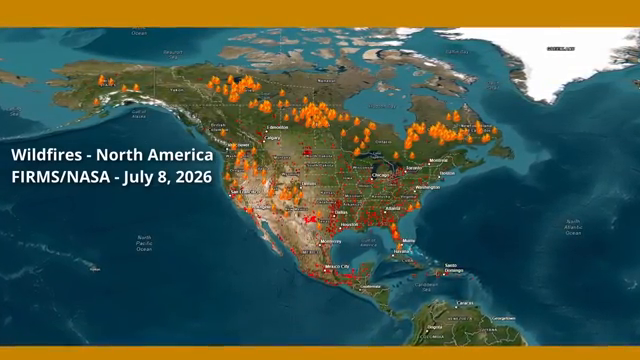
Fires are raging across the boreal forest from the Pacific to the Maritimes.

Over 790 active fires are burning, with ~30 new fires starting daily and over 1.2 million hectares burned [09:20].

This burning directly threatens the boreal forest's function as a global carbon sink.

US Heat Waves & Heat Domes [10:30]:

The U.S. recorded its second-hottest spring (4.9°F above the 20th-century average) [10:36].

Repeated heat domes are spreading across the Southwest into central regions, exposing

Image for chunk 9

over 27 million Americans to triple-digit heat index values [12:00].

Drought & Agricultural Risk [18:02]:

Currently, 46% of the U.S. is experiencing drought conditions, with much of it categorized as severe [18:24].

The U.S. Southwest remains locked in a 1,200-year mega-drought [18:44].

Citing IPCC Chapter 6 (North America assessment), Dr. Carter emphasizes that at current warming levels (~1.37°C), U.S. agriculture is entering a high-risk zone, with severe crop losses predicted if global te

Image for chunk 10

mperatures reach 2°C [19:16].

Impact on Mexico [17:55]: Mexico is experiencing 1 to 2 additional months of extreme heat, heavily impacting its climate resilience.

4. Climate Information & Data Sources [12:22]

The panelists recommend several open-access tools for tracking real-time climate and environmental conditions:

Source / Tool Primary Function / Focus

Earth Nullschool (earth.nullschool.net) [15:32] Visualizing jet streams, wind patterns, and global atmospheric pressure levels (e.g., 250

Image for chunk 11

hPa).

Climate Reanalyzer [15:57] Historical climate comparisons, temperature maps, and weather anomalies.

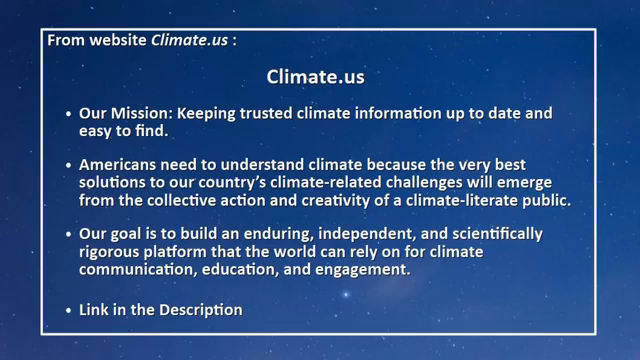
Climate.US [13:01] Replaced Climate.gov for official national climate assessments and data dashboards.

EPA AirNow [13:43] Real-time monitoring of air quality and toxic particulate matter caused by wildfire smoke.

World Weather Attribution (WWA) [12:35] Studies evaluating the link between climate change/fossil fuels and extreme weather events.

IPCC Assessment Report 6 (AR6) [17:40] Chapt

Image for chunk 12

er dedicated to North America's specific risks and adaptation limits.

5. Systemic Risks & Psychological Disconnect [21:08]

Cognitive Dissonance: Herb Simmons highlights the disconnect between increasing climate impacts (rising insurance costs, inflation, extreme heat) and the lack of systemic policy action or mainstream media context.

Lack of Media Context [23:33]: Mainstream reporting often treats severe storms and record heat as isolated daily news events without framing them within the br

Image for chunk 13

oader pattern of climate breakdown.

6. The Climate 3 (Weekly 1-Minute Climate Stories) [25:00]

Story 1: "Dawn" Supercomputer Shutdown [25:12]

The "Dawn" supercomputer at Cambridge (UK), used to run climate and sea ice modeling, overheated and shut down during a heatwave. This illustrates derailment risk—where critical infrastructure fails due to unexpected climate conditions.

Story 2: Stratospheric Aerosol Injection (SAI) Simulation [26:09]

A computer simulation study indicated that Stratosp

Image for chunk 14

heric Aerosol Injection (SAI) could potentially reduce the area of marine heatwaves by 20% to 75%.

Story 3: Heat-Induced Livestock Loss in Europe [27:24]

Heatwaves in Europe (particularly France) have caused massive die-offs of broiler chickens. Cooling systems failed due to power/heat stress. Furthermore, modern fast-growing broiler breeds have altered metabolisms that make them far more sensitive to extreme ambient temperatures.

North America Is Heating Up

Climate Emergency Forum · 18K vie

Image for chunk 15

Viewer Discussion & Comments

@ikoiko1day531
People seem to think geopolitical and economic worries are of paramount importance. But if and when we solve all those problems...the planet will still be heating. My question would be, "are we just too stupid to survive?"
@Lyra0966
I am constantly reminded of the native-American observation to the effect that when we have poisoned all the rivers, cut down all the trees etc, we will soon find that we can not survive by eating money.
@andreasflisar3900
2026 will be remembered as the year of the beginning of a population collapse globally. Water, food, heat, storms, floods…
@supremeownage8995
It's too late, people have been screaming about it since the 60s. So much money has been poured into disinformation by the energy industry it's just obscene, and now we get to live in an actual mad-max future. To think the best humanity could manage was some people sitting in a road to disrupt traffic, and even that everyone just hated on. Money interests trump all other considerations! Off the climate cliff we go!
@andrewhobbins1915
AI is adding to a pre-existing global warming problem.