The Economics of Owning a Trucking Fleet


Channel: Mr. Finance
Uploaded by Mr. Finance on 20260711
Categories: People & Blogs
Tags:
Ever wondered how trucking companies make money while facing massive fuel bills, expensive trucks, rising insurance costs, and constant economic uncertainty? In this video, we break down the complete economics of owning a trucking fleet—from buying the first truck to managing a large transportation business. Discover how freight co

Here is a detailed breakdown of the content from the video titled "The Economics of Owning a Trucking Fleet" by the channel Mr. Finance.

Introduction & The Reality Gap

The video addresses the common misconception that owning a trucking fleet is a simple way to build wealth. While the US trucking industry generated $96 billion in revenue in 2024, it is highly volatile. The business is characterized by fixed da

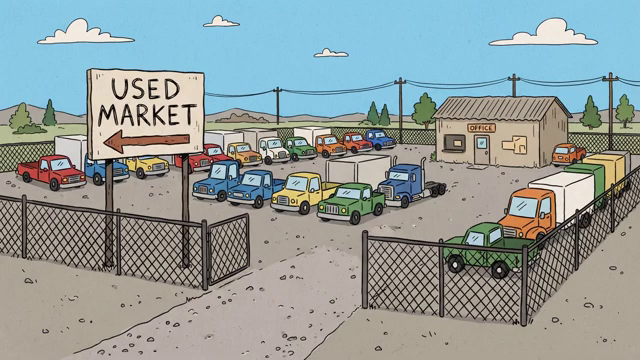
Image for chunk 1

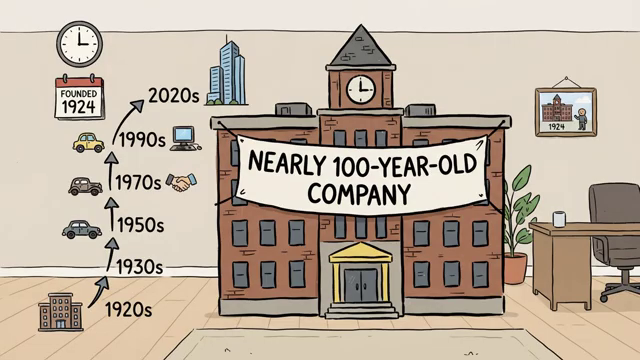
ily operating costs paired with unpredictable, fluctuating revenues. High-profile failures, such as the collapse of the 100-year-old Yellow Corporation (a $5 billion company with 30,000 employees), highlight the brutal nature of the industry where the net difference for a single truck can swing between an $8,000 profit and a $25,000 loss annually.

Startup Costs & Regulations

Entering the market requires signi

Image for chunk 2

ficant capital. The initial equipment and administrative setup include:

New Class 8 Tractor: $120,000 to $200,000.

Trailers: A standard dry van costs $40,000 to $70,000, while a refrigerated trailer (reefer) costs $85,000 to $90,000.

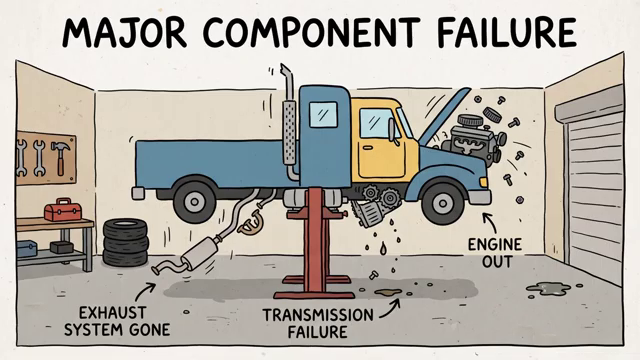
Used Market Alternative: A 4-to-7-year-old truck with 400k–700k miles costs $35,000 to $75,000. However, high-mileage trucks hit "wear cycles," risking sudden $25,000 repair bill

Image for chunk 3

s (e.g., engine rebuilds or emissions system failures) while earning zero revenue during downtime.

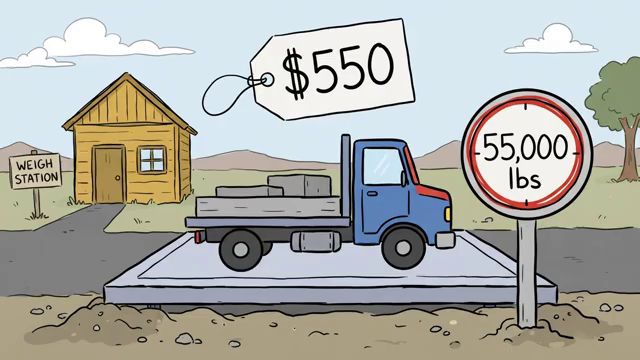
Mandatory Administrative Checklist: Legal setup costs between $3,000 and $11,000 before operating. This includes FMCSA motor carrier registration ($300), International Registration Plan (IRP) plates ($1,500–$3,500/year), Heavy Vehicle Use Tax ($550/year), IFTA registration, drug testing consortium entry, Electro

Image for chunk 4

nic Logging Devices (ELD), and fleet software.

Breakdown of Baseline Operating Costs

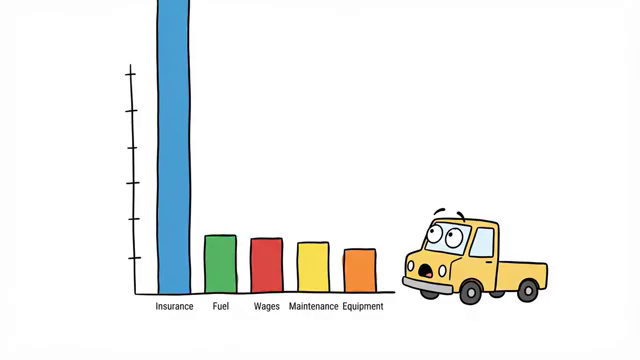
For a single truck driving an industry-standard 120,000 miles per year, the baseline annual expenditures are approximately $291,000. The breakdown per mile and per year includes:

Expense Item Cost Per Mile Annual Total (120k miles)

Driver Compensation (Wages & Benefits) $0.995 $119,000

Diesel Fuel (assuming 6–7 MPG at $4.50/g

Image for chunk 5

al) $0.69 $83,000

Equipment Financing (Loan/Lease payments) $0.39 $47,000

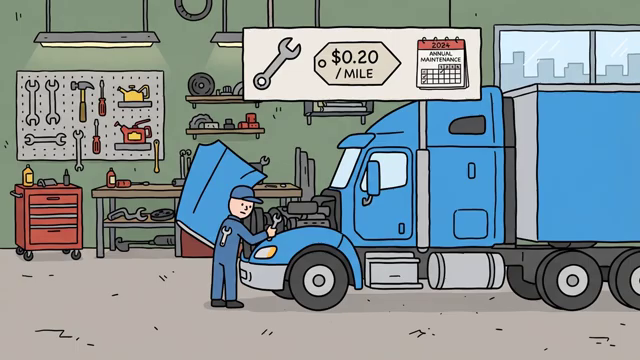
Routine Maintenance & Tires $0.20 $24,000

Commercial Liability Insurance $0.105 $12,200

Admin, Tolls, Software Subscriptions $0.05 $6,000

Total $2.42 $291,000

Note: Insurance premiums for new carriers under their own authority frequently reach up to $20,000 annually due to perceived risk.

Market Volatility & The "Great Freight Recession

Image for chunk 6

"

Revenue is driven strictly by supply and demand in the freight market:

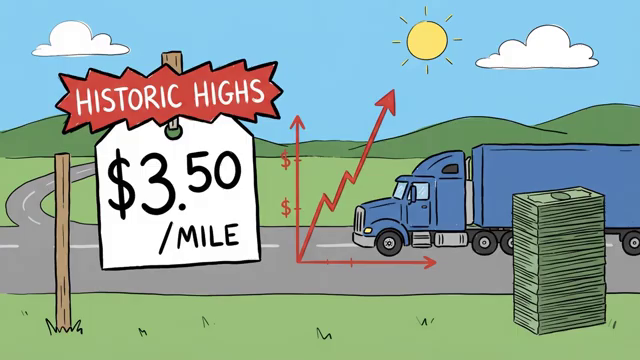
2020–2021 Boom: Pandemic-driven e-commerce spikes caused a shortage of trucks. Spot market rates soared past $3.50/mile, causing operators to aggressively expand their fleets.

2022–2025 Downturn: Consumer spending shifted back to services just as newly ordered trucks were delivered. The market became oversupplied, sparking the "Great Fre

Image for chunk 7

ight Recession."

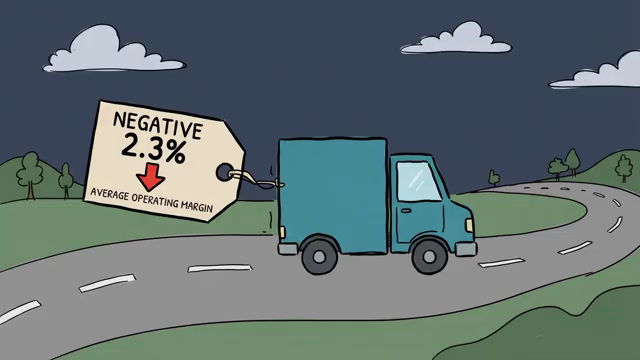
The Impact: Spot rates dropped below $2.00/mile (and sometimes below $1.50/mile). With average operating costs hitting $2.26/mile for truckload carriers in 2024, the sector posted an average operating margin of -2.3%. Consequently, over 88,000 trucking authorities were revoked or surrendered in a single year, and nearly 10,000 carriers closed in the first half of 2024 alone.

Invisible Margin

Image for chunk 8

Killers

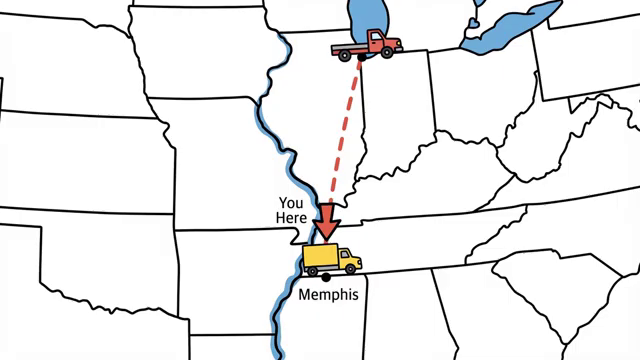
Deadhead Miles: The distance a truck travels empty between loads. The industry average rose to 16.7% in 2024. For example, if a 1,000-mile load from Chicago to Atlanta pays $2,600 ($2.60/mile) but requires a 200-mile deadhead drive from Memphis to pick it up, the true yield drops to $2.17/mile. Against a $2.26 operating cost, this turns a seemingly profitable run into a $112 loss.

Nuclear Verdicts: Pe

Image for chunk 9

rsonal injury lawsuits against trucking companies resulting in jury awards exceeding $10 million. The average nuclear verdict jumped from $21 million in 2020 to $51 million in 2024. This litigation climate has forced many insurers out of the market, driving up premium costs and making small fleets with minor safety infractions completely uninsurable.

Economics of Scale: Small vs. Large Fleets

When a fleet sca

Image for chunk 10

les up (e.g., to 100 trucks), certain financial efficiencies improve, but corporate complexities emerge:

PROS OF SCALE CONS OF SCALE

+-----------------------+ +-----------------------+

| - Bulk fuel discounts | | - Need Safety Director|

| (save up to $2/gal) | | - Dedicated HR Dept. |

| - Lower insurance/unit| ------------> | - Complianc

Image for chunk 11

e Officers |

| - In-house mechanics | | - Expensive terminal |

| - Dedicated contract | | yard leases |

| shipper agreements | | - Complex cash flow |

+-----------------------+ +-----------------------+

Financial Scenarios (10-Truck Fleet at 120k miles/truck)

Optimistic Scenario: Dedicated contract lanes at $2.75/mile with fuel surcharg

Image for chunk 12

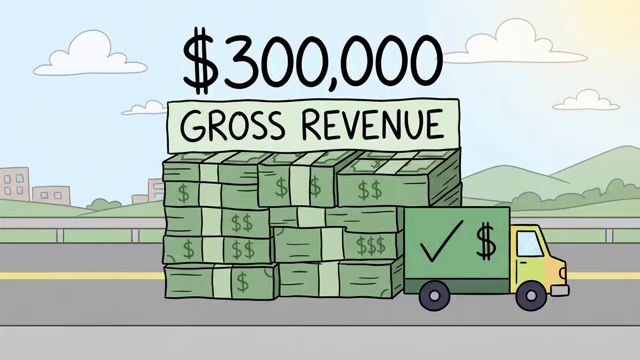
es, clean safety records, and under 10% deadhead miles. Gross revenue reaches $330,000/truck against $255,000 in costs, yielding a total fleet net profit of $750,000/year.

Realistic/Soft Market Scenario: Rates drop to $2.30/mile due to competitive bidding, a minor accident pushes insurance up 30%, parts backorders keep trucks idle, and deadhead miles rise to 19%. Net profit per truck drops to between -$5,000

Image for chunk 13

and +$15,000, shifting the fleet's yearly outlook to anywhere between a $150,000 profit and a $50,000 loss.

Conclusion

Approximately 85% to 90% of new owner-operators fail within their first two years. The primary driver of failure is cash flow management. Shippers generally pay invoices 30 to 60 days post-delivery, whereas driver payroll, fuel, and equipment loans are due immediately. Successful fleet owners

Image for chunk 14

are distinguished not by their mechanical knowledge of trucks, but by their rigorous business discipline: tracking cost per mile weekly, securing dedicated freight contracts before buying assets, maintaining at least 90 days of liquid cash reserves, utilizing routing software, and focusing heavily on driver retention to avoid steep recruitment costs.

The Economics of Owning a Trucking Fleet

Mr. Finance · 9.1

Image for chunk 15

Viewer Discussion & Comments

@thomasthumim7630
As a person who has been in the driving industry for 18 years I approve this video.
@FinancewithAngel
Congratulations on getting to 10k soon 🎉
@kshitijwalwaikar5968
Superb Content. Finally something thats knowledgeable and worth watching on youtube
@RS-uy9pq
Do one for being a streamer or being a social media influencer
@Rocket-s7u
Eh maybe you should do one in farmland too 😂😂😂