This video from the channel How Money Works, titled "The End Of Budget Tourism," explains why the era of affordable travel is coming to an end in 2026. It highlights several combined macroeconomic factors, industry shifts, and geopolitical events t
This video from the channel How Money Works, titled "The End Of Budget Tourism," explains why the era of affordable travel is coming to an end in 2026. It highlights several combined macroeconomic factors, industry shifts, and geopolitical events t
hat are driving up costs.
1. The Collapse of Low-Cost Carriers and Premiumization
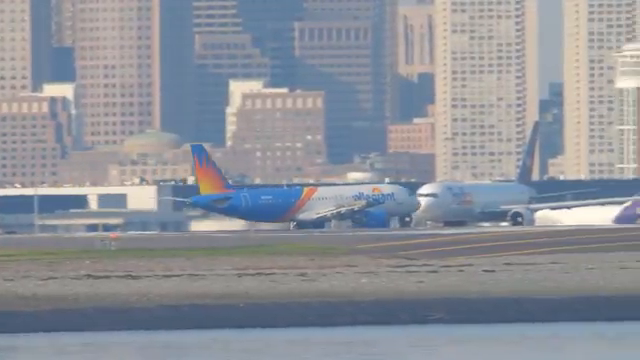
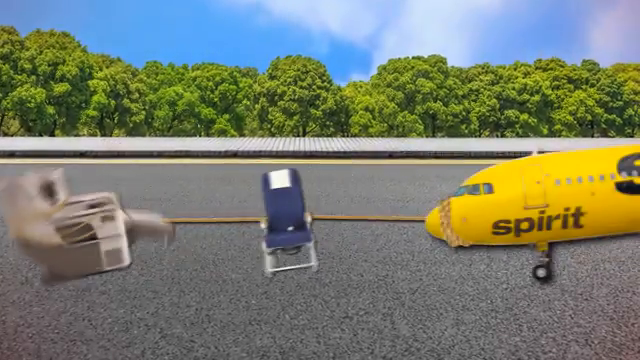
The video opens by highlighting the total shutdown of Spirit Airlines in mid-2026 after failing to secure a government bailout following consecutive bankruptcies [00:

00]. The exit of low-cost carriers reduces competitive pressure on major airlines, allowing them to scale back aggressive ticket discounting [01:39].
Airlines are intentionally shifting toward "premiumization" because high-end seats yield better re
venue per square foot. For example, Lufthansa reports that premium economy generates 33% more revenue per square foot than regular economy [06:41].
AIRLINE CABIN STRATIFICATION TREND
Past Model: [ Economy ] -------- [ Business ] ---- [ Firs
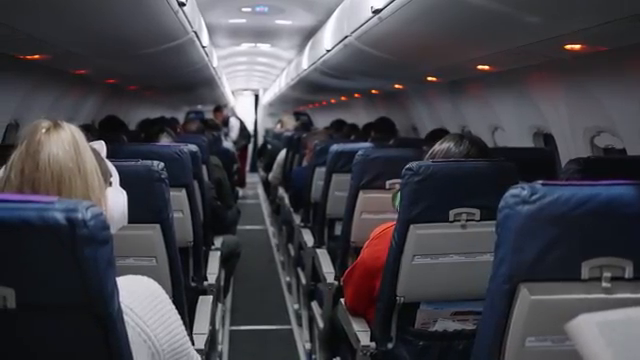
t ]
Modern/2026 Model: [ Budget ] [ Economy ] [ Premium Econ ] [ Business ] [ First ] [ Luxury Suites ]
Compounding this issue, aircraft production is heavily bottlenecked. Boeing and Airbus face a combined backlog of over 12,000 narrowbody plane
s due to engine supply constraints [07:14]. As a result, new budget airlines cannot easily step in to replace lost capacity.
2. The Transformation of Accommodations
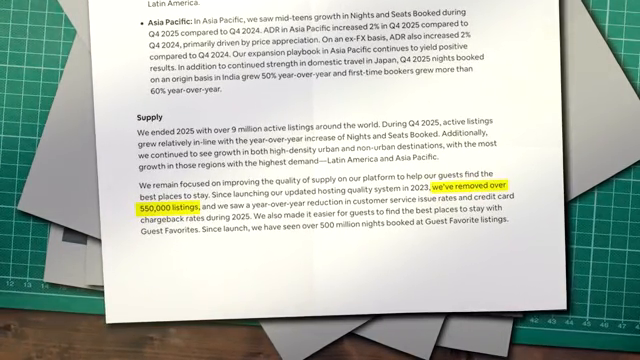
Airbnb has evolved from a low-cost, shared-room alternative into a premium, hotel-l
ike service [10:03]. The platform removed 550,000 low-quality listings between 2023 and 2025 to prioritize "guest favorites," effectively erasing the cheapest options [10:50].
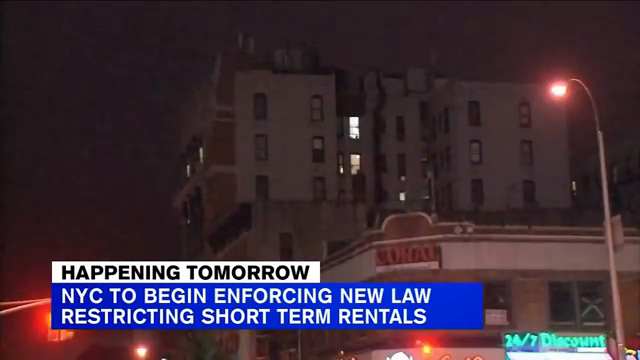
Furthermore, major tourist hubs are cracking down on short-term rentals.

New York City's Local Law 18 led to a 92% decline in citywide Airbnb listings, causing average hotel room rates to spike to a record $320 per night [11:53]. European destinations are implementing similar strategies through tourist taxes and entry
fees:
Destination Measure Implemented
Venice Charges day-trippers €5 to €10 to enter the city [13:14]
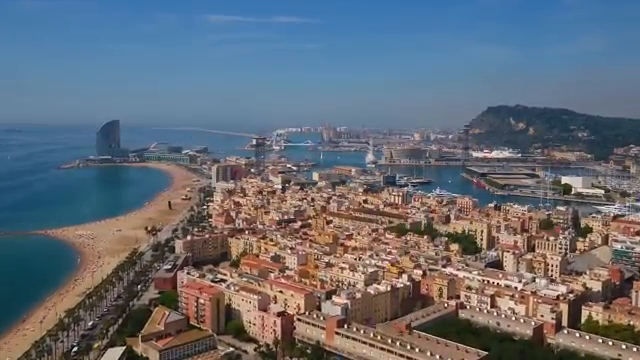
Barcelona Raised tourist taxes up to €15/night when city and regional fees stack up [13:31]
Amsterdam Capping cruise traffic to 100 ships in 2026,

with a full ban by 2035 [13:41]
3. Geopolitical and Fuel Shocks
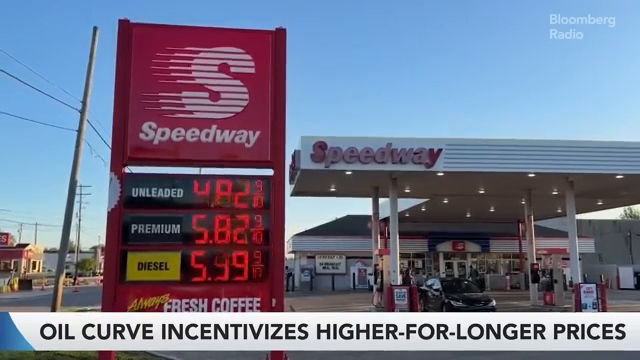
A massive geopolitical driver of rising travel costs is the outbreak of war in Iran, which caused the largest supply disruption in global oil market history through the Strait of Horm

uz [02:03], [15:07]. North American jet fuel prices roughly doubled, jumping from $2.50 to $4.56 per gallon [15:07].
While premium or business-class passengers barely notice a fuel surcharge added to an expensive ticket, thin-margin budget carriers
cannot absorb these spikes, nor can low-budget travelers afford the resulting higher fares [15:22].
4. Currency Devaluation and Macroeconomics
The decline of the US Dollar Index (dropping to the 97–99 range in May 2026, with forecasts predicting a
further drop to 90–96) means American travelers lose purchasing power abroad [16:51]. In destinations like Japan, where a weak yen previously subsidized cheap vacations for Americans, local hotels and services have adjusted their prices upward to

capture historical demand, erasing the discount [16:20].
Conclusion
The video concludes by noting that cheap travel was long viewed as a consolation prize for a younger generation facing heavy student debt, precarious career paths, and a difficult
housing market [18:20]. With the hollowing out of budget airlines, cheap short-term rentals, and affordable global currencies, the travel market is restructuring to favor higher-income individuals [14:35].
The End Of Budget Tourism
How Money Works
Viewer Discussion & Comments