The Horrors Of Old American Asylums...


Channel: Joe Bartolozzi
Uploaded by Joe Bartolozzi on 20260630
Categories: Entertainment
Tags: joebartolozzi, react
@farrellmcguire OG VID: https://www.youtube.com/watch?v=io1yztJY8Qc TRY OUT GAMER SUPPS AND USE CODE: Bart FOR 10% OFF AND FREE SHIPPING: https://gamersupps.gg/bart ☆Socials: ➥ Gaming Channel: https://www.youtube.com/@JoeBartGames ➥ Vod Channel: https://www.youtube.com/channel/UC-lfGGqb5hHLBqVnVnWyrsw ➥Philosophy Channel: https:/

The video corresponds to a reaction and commentary piece by internet personality Joe Bartolozzi titled "The Horrors Of Old American Asylums...". Because the original title and video content are in English, the following breakdown is provided entirely in English.

1. Introduction to the Asylum Commentary

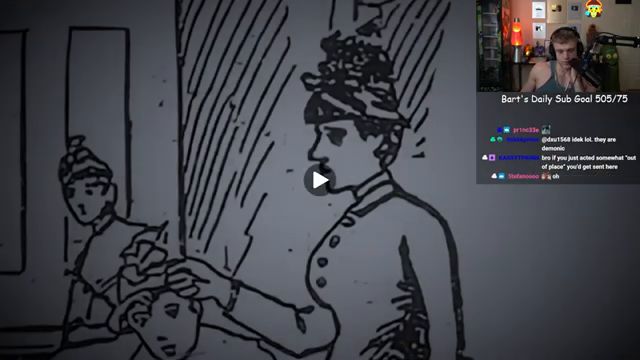
Content creator Joe Bar
Image for chunk 1

tolozzi opens the video by introducing his audience to a historical deep dive regarding the dark history of institutionalized mental healthcare in the United States. He sets the stage for a reaction segment focused on a historical documentary outline, preparing viewers for the distressing realities, structural flaws, and unethi

Image for chunk 2

cal practices that defined old American psychiatric facilities during the 19th and 20th chapters of history.

2. The Overcrowding Crisis and the Kirkbride Design

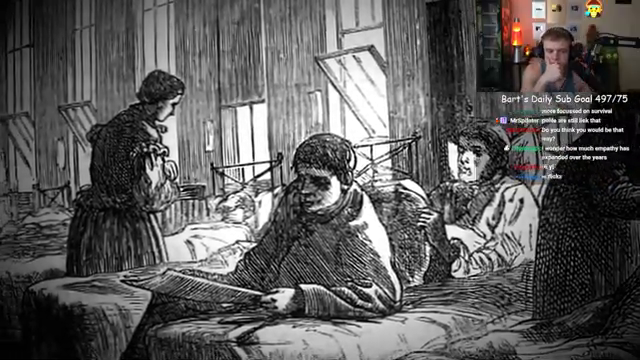
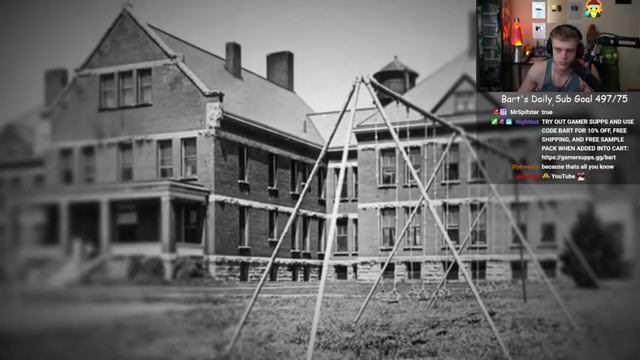
The commentary shifts to look at the structural downfall of old asylum layouts. The video breaks down the "Kirkbride Plan"—a architectural design philosophy initially

Image for chunk 3

created to maximize sunlight, natural airflow, and exposure to nature to cure patients. Bartolozzi reacts to historical logs showing how these massive, sweeping facilities quickly devolved into underfunded warehouse complexes plagued by extreme overcrowding as demand outpaced structural resources.

THE EVOLUTION OF ASYLUM INFR

Image for chunk 4

ASTRUCTURE

[Kirkbride Plan: Therapeutic Design] ---> [Massive Patient Influx] ---> [Overcrowded Warehouse]

|

v

Image for chunk 5

[Collapse of Patient Care]

3. Barbaric Early Psychiatric Interventions

Bartolozzi reviews and reacts to the primitive, dangerous treatments used before the invention of modern psychotropic medications. The video describes methods like ice-water submersions, rotatory chairs, and insulin shock therapy, highlighting th

Image for chunk 6

e historical transition from trying to treat underlying conditions to simply forcing behavioral compliance.

4. The Era of Over-Sedation and Chemical Restraints

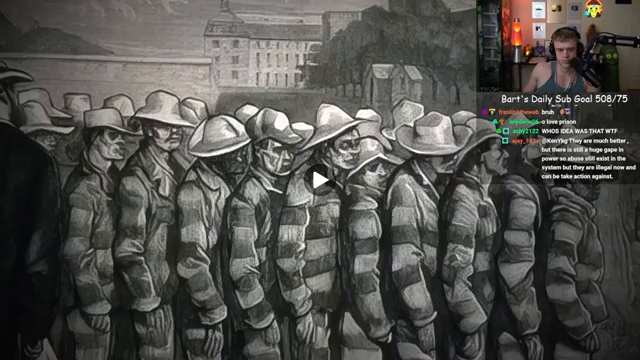
As patient volumes spiked, physical constraints and early chemical restraints became standard management tools. The host critiques the institutional reliance on heavy

Image for chunk 7

early sedative cocktails designed to keep thousands of patients completely docile, reducing individual care to assembly-line sedation due to acute understaffing:

+-----------------------------------+-----------------------------------+

| Physical Control Practices | Institutional Consequences |

+-----------------

Image for chunk 8

------------------+-----------------------------------+

| Continuous canvas straitjackets | Muscle atrophy and health decline |

| Isolation boxes and restraint beds| Complete lack of human connection |

| High-dosage sedative cocktails | docility over actual rehabilitation|

+-----------------------------------+-------------

Image for chunk 9

----------------------+

5. Institutional Exploitation and Unpaid Labor

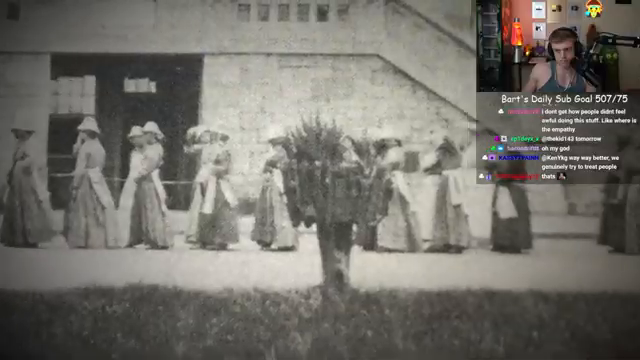
A deep dive into asylum management reveals how many large-scale state hospitals relied heavily on the forced, unpaid labor of their own patients to remain financially solvent. Facilities functioned as insular towns where patients farmed, cooked, washed lau

Image for chunk 10

ndry, and maintained infrastructure under the official guise of "occupational therapy," saving the state immense operational costs while exploiting vulnerable individuals.

6. Institutional Malpractice and High-Profile Cases

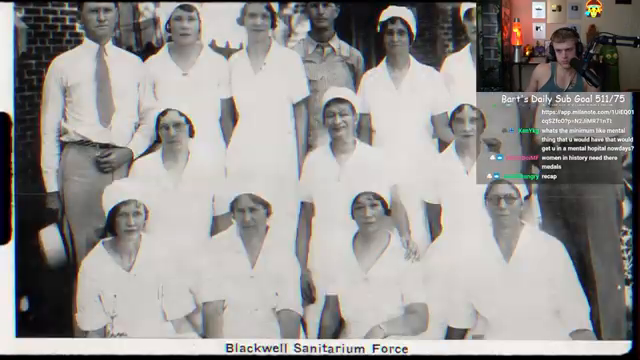
The video looks at specific historical case studies and high-profile investigative exposés, such as the

Image for chunk 11

undercover reporting that revealed systemic patient abuse, starvation, and unhygienic conditions at facilities like Willowbrook and Danvers State Hospital. Bartolozzi reacts strongly to documented instances of administrative neglect and physical abuse hidden from public view for decades.

SYSTEMIC NEGLECT PIPELINE

[ Lack of Pu

Image for chunk 12

blic Oversight ] ---> [ Severe Understaffing ] ---> [ Unchecked Abuse & Neglect ]

7. Deinstitutionalization and the Transition to Homelessness

The commentary analyzes the sweeping mid-century policy shift toward "deinstitutionalization," accelerated by the discovery of Thorazine and anti-psychotic medications. While intended

Image for chunk 13

to return patients to community-based care, the sudden closing of massive state hospitals without building proper outpatient infrastructure resulted in thousands of vulnerable individuals transitioning directly into homelessness or the prison system.

8. Final Commentary and Modern Reflections

Joe Bartolozzi wraps up the video

Image for chunk 14

by reflecting on the historical trajectory of mental health management. The segment concludes with a call to understand the dark roots of early institutional practices, serving as a reminder of how easily vulnerability can be exploited when systemic oversight, proper funding, and basic human dignity are stripped away from medi

Image for chunk 15

Viewer Discussion & Comments

@mysterytroop0023
What a great way to start the day
@shaybutter-s4m
my great grandmother was placed in an asylum after displaying symptoms of dementia (this was in Puerto Rico during a time where many policemen and medical staff were “deployed” straight from the States). one day after having an episode, the nurses strapped her to a chair and locked her alone in a room. she ended up strangling to death trying to free herself.
@Ishimqru_Sora
What's scary about old psychiatric asylums or insane asylum was it was ultimately similar to prisons at the time.
@Cloudy_Gift
It’s insane how these people would have been better off homeless than there, I remember studying about adhd and autism cuz my little sister has it and found out they used shock therapy on kids who had them
@leemarchent4397
The projection of behavior that you spoke about at the start Joe was actually the whole philosophical underpinning of my honours thesis! I studied how behavior was discussed in wrongful conviction cases!! People have a habit of being like "well if that was me, I wouldn't have done that" and using that as evidence of guilt when it isn't. Such a fascinating aspect of human understanding.