The Iran War Looks Very Different from Europe


Channel: Economics Explained
Uploaded by Economics Explained on 20260506
Categories: Education
Tags: economics, economics explained, economy explained
To get free fractional shares worth up to 100 EUR, you can open an account with Trading 212 through this link https://www.trading212.com/join/EE. Terms apply. *Pies & Autoinvest is an execution only service, following your own investment decisions. Not investment advice or portfolio management” * 📫 6,630+ read our free newslette

This is a highly detailed breakdown of the video "The Iran War Looks Very Different from Europe" by the YouTube channel Economics Explained.

Overview

While European nations have largely avoided direct military involvement in the escalating conflict in the Persian Gulf (involving Iran, Israel, and the United States), they remain critically vulnerable to its severe economic fallout. The video details how this conf
Image for chunk 1

lict introduces massive headwinds to an already stagnant, highly industrial European economy that is still recovering from the energy shocks of the Russia-Ukraine war.

1. The Core Vulnerability: Energy Dependence

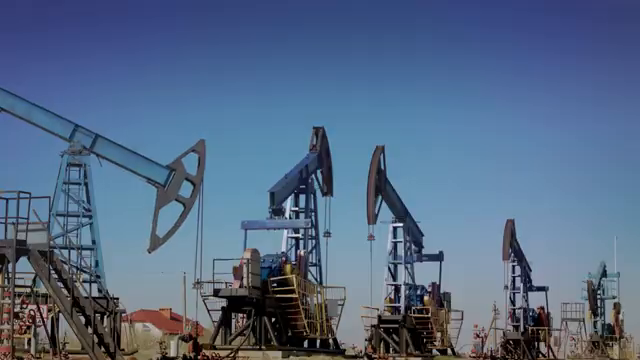
Europe's primary economic weakness is its reliance on imported energy.

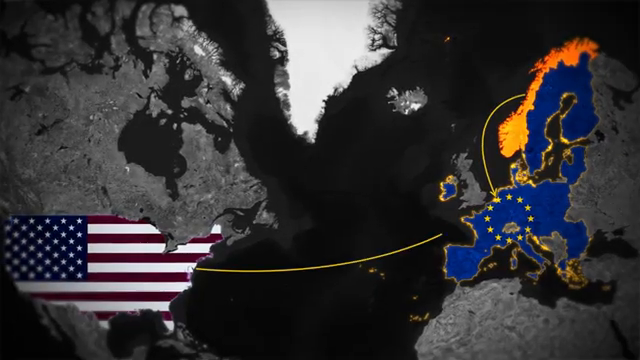
Import Statistics: The European Union imports 57% of its overall energy needs (compared to just 17% for the United States, which is

Image for chunk 2

the world's largest oil producer).

The Global Auction Effect: Even though the majority of European fossil fuel imports now come from Norway and the United States (with US imports reaching 19% by 2025) rather than the Persian Gulf, oil is a globally traded commodity. When roughly 20 million barrels per day are restricted or blocked through the Strait of Hormuz, the global supply shrinks, and prices spike for eve

Image for chunk 3

ryone worldwide [04:24].

Logistical Obstacles: Retooling refineries to process different types of crude (e.g., switching from heavy Gulf crude to light American shale) is an industrial process that takes years [05:50].

Nuclear Decommissioning: Germany's decision to shut down its last three nuclear reactors in April 2023 removed stable, domestic energy from the grid at a critical moment [06:20].

ENERGY IMPORT DEP

Image for chunk 4

ENDENCY COMPARED

+--------------------------------------------------+

| Europe (EU) [=========================] 57% |

| USA [=======] 17% |

+--------------------------------------------------+

2. The Threat to European Manufacturing

Europe's economic structure makes it far more sensitive to energy price spikes than the US.

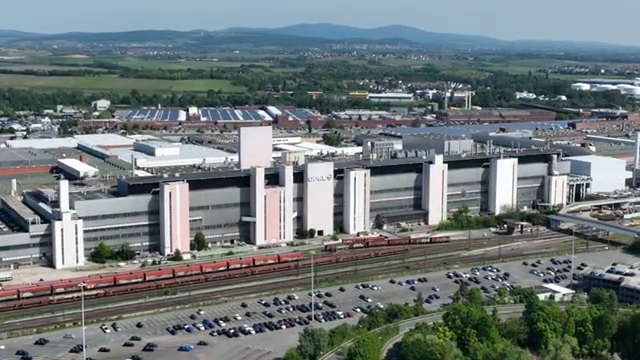
Industrial Output: Manufacturing accounts for 15% of

Image for chunk 5

European GDP (and up to 23% of total business activity), compared to roughly 11% in the US [07:04].

Loss of Competitiveness: High energy costs directly inflate the cost of producing goods, making European manufacturers less competitive globally [07:41].

Chinese Competition: European heavyweights (such as German automakers) are already losing ground to Chinese electric vehicle (EV) manufacturers who offer compara

Image for chunk 6

ble technology at a fraction of the cost [08:27].

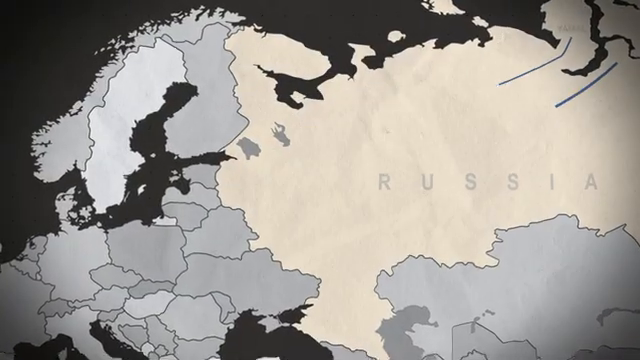
Geographic and Trade Bottlenecks: Unlike Asian and American markets that can easily trade across the Pacific Ocean, Europe is geographically trapped between disrupted eastern trade routes and a western tariff wall [10:02].

3. Shipping and Logistical Pressures

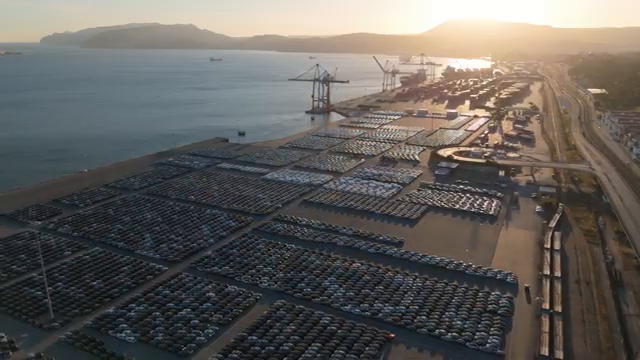
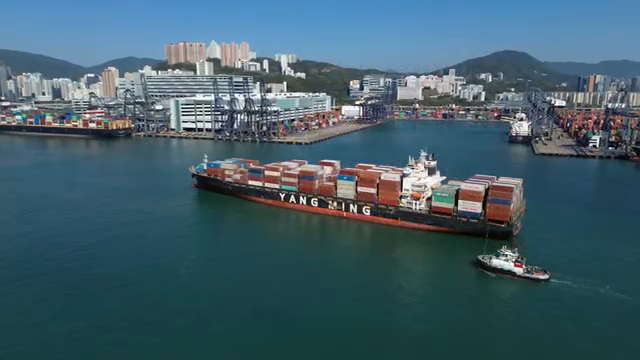
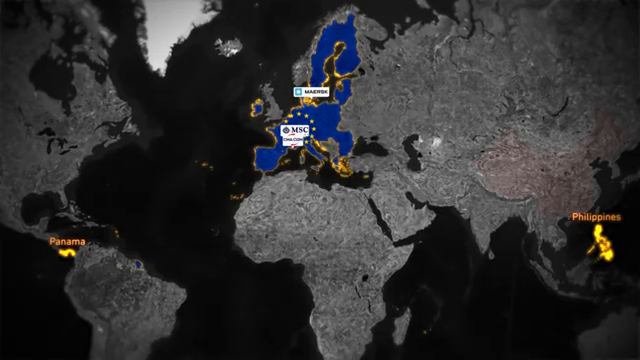
Europe acts as a massive global shipping hub, housing three of the world’s largest container shipping com

Image for chunk 7

panies: MSC (Geneva), Maersk (Copenhagen), and CMA CGM (Marseille) [10:39].

Suez Canal & Red Sea Bottlenecks: Although the Suez Canal is not fully blocked, shipping insurance premiums have spiked due to threats in the Red Sea. If Iran carries out threats to block the Bab-el-Mandeb Strait, a quarter of the world's energy and a major portion of Asian exports to Europe would be cut off [10:14].

Balance Sheet Risks:

Image for chunk 8

Even if shipping rates temporarily increase carrier revenues, the underlying risks, diverted routes, increased fuel costs, and falling global trade volumes ultimately damage European balance sheets [11:08].

4. Broad Economic Context: Two Decades of Crisis

This conflict hits Europe when its economic momentum is already exceptionally weak.

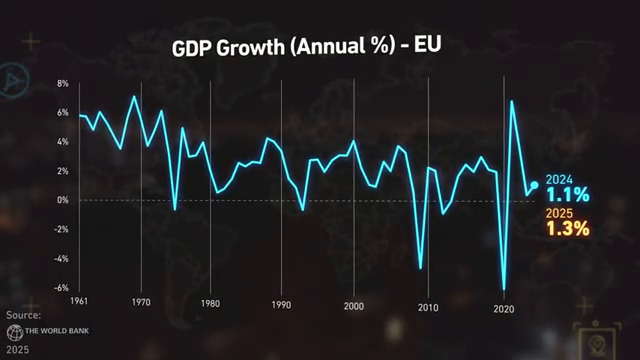
Anemic Growth: The European Commission projects Eurozone GDP growth at jus

Image for chunk 9

t 1.3% in 2025 and 1.2% in 2026 (whereas the US economy grew by 2.8% in 2024 and 2.2% in 2025) [11:48]. Germany's economy recorded near-stagnation at 0.2% growth in 2025 [12:17].

Cumulative Inflation: Although headline inflation has cooled to around 2%, the cumulative damage from previous years (where inflation reached 6%, 8%, or 10%) has permanently eroded household purchasing power [12:41].

Defense Spending De

Image for chunk 10

mands: At the same time, European military budgets reached €381 billion in 2025 and are projected to hit €400 billion in 2026 due to rearmament efforts following the war in Ukraine [14:05]. This shifts public funds away from long-term economic and infrastructural investments [14:25].

5. Practical Economic Solutions & Challenges

+---------------------------------------------+

| EUROPE

Image for chunk 11

'S PATHS TO RESILIENCE |

+---------------------------------------------+

|

+------------------------+------------------------+

| |

v v

[ Long-Term Solutions ] [ Medium-Term Adjustments ]

- Build wind & solar (47%

Image for chunk 12

electricity) - Deepen US & Norway partnerships

- SMR nuclear reactors (target 2050) - Interconnect fragmented internal grids

- Diversify supply chains - Avoid market-distorting subsidies

Renewable Energy Limitations: While renewables generate 47% of Europe's electricity, heavy industries (like steel mills) still require oil and natural gas to operate, which cannot y

Image for chunk 13

et be powered by wind or solar [15:02].

Nuclear Timelines: The European Commission is backing Small Modular Reactors (SMRs) to grow nuclear capacity up to 109 GW (or even 150 GW) by 2050, but these projects will take decades to realize [16:34].

Internal Energy Integration: The EU’s internal energy market is highly fragmented. Seamlessly moving gas from a terminal in Spain to a factory in Germany is still blocked

Image for chunk 14

by conflicting national regulations and systems [16:02].

Conclusion:

Europe has essentially been caught in the crossfire of a war it wants no part in. While short-term relief is minimal, the continent’s long-term survival relies on deep structural integration, diversifying energy networks with allies, and maintaining open, undistorted markets.

The Iran War Looks Very Different from Europe

Economics Explained ·

Image for chunk 15

Viewer Discussion & Comments

@EconomicsExplained
To get free fractional shares worth up to 100 EUR, you can open an account with Trading 212 through this link https://www.trading212.com/join/EE. Terms apply.
@simonr-vp4if
Growing nuclear capacity from 98GW to 109GW by 2050? Woah, calm down guys, let's not be too ambitious here.
@dava00007
The nuclear situation was so predictable that it hurts to ear someone act like that seemed like a good idea at the time.
@frcluc
The next European crisis: pension reform crises across the continent.
@Nekros102
Well im free this weekend so i can do it.