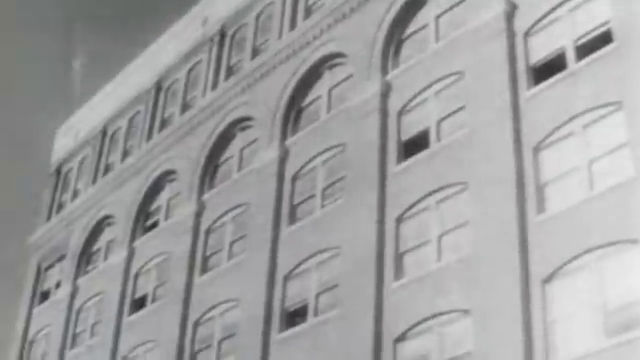
The Vietnam War 1955-1975 (Full Documentary)


Channel: Real Time History
Uploaded by Real Time History on 20241101
Categories: Education
Tags: History, Military History
Get Nebula with 40% off annual subscription with my link: https://go.nebula.tv/realtimehistory Watch 16 Days in Berlin: https://nebula.tv/videos/16-days-in-berlin-01-prologue-the-beginning-of-the-end Gift Nebula to a friend: https://gift.nebula.tv/realtimehistory When the US enters the Vietnam War, it’s confident in its military

Overview

"The Vietnam War 1955-1975 (Full Documentary)" by Real Time History is a comprehensive 2-hour and 42-minute chronological analysis of the Vietnam War. The documentary covers the geopolitical origins, shifting strategies, ideological motivations, domesti
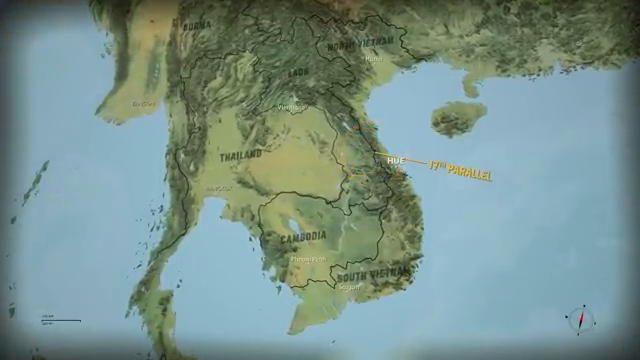
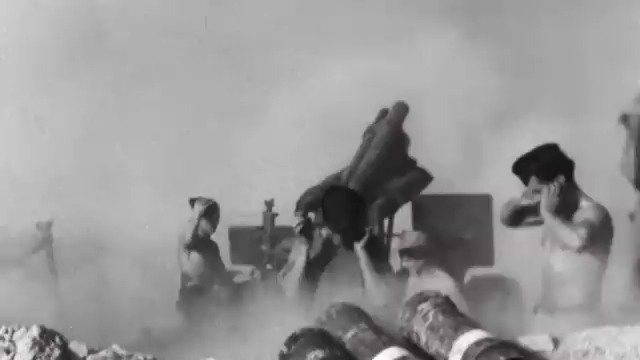
Image for chunk 1

c political pressures, and ultimate consequences of the conflict.

Key Historical Timeline & Evolutionary Stages

1954 1961-1963 1964-1965 1968 1973-1975

----|------------------|------------------|---------------|--------

Image for chunk 2

----------|---->

Geneva Accords Kennedy Era Gulf of Tonkin Tet Offensive US Withdrawal

(17th Parallel) & Green Berets & Escalation & Turning Point & Fall of Saigon

1. Geopolitical Origins (1954–1960)

The Aftermath of French Colonial

Image for chunk 3

ism [00:41]: Following France's defeat at the Battle of Dien Bien Phu, the 1954 Geneva Accords split Vietnam at the 17th parallel into a Communist North led by Ho Chi Minh and a non-Communist South under Emperor Bao Dai and Prime Minister Ngo Dinh Diem.

The Domi

Image for chunk 4

no Theory [02:19]: President Eisenhower initiated a nation-building program in South Vietnam driven by the fear that if Vietnam fell to communism, surrounding Southeast Asian nations would follow.

2. The Kennedy Administration & Counterinsurgency (1961–1963)

Fle

Image for chunk 5

xible Response Doctrine [08:48]: President John F. Kennedy shifted US strategy toward flexible conventional and covert action. Military advisers grew rapidly from nominal numbers to over 16,000.

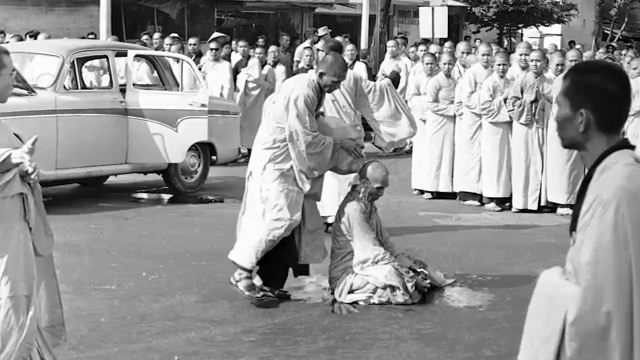
The Buddhist Crisis & Regime Change [13:26]: The repressive Catholi

Image for chunk 6

c-centric policies of Ngo Dinh Diem sparked nationwide protests among the Buddhist majority, leading to Diem's assassination in a US-backed military coup in late 1963 [14:45].

3. Escalation and Americanization (1964–1967)

Gulf of Tonkin Resolution [15:08]: Follo

Image for chunk 7

wing clashes in the Gulf of Tonkin, President Lyndon B. Johnson secured a Congressional mandate to escalate direct military involvement without a formal declaration of war.

Air and Ground Wars [23:56]: The US launched Operation Rolling Thunder and committed hund

Image for chunk 8

reds of thousands of ground troops, deploying an unprecedented industrial arsenal against the Viet Cong and the North Vietnamese Army along the Ho Chi Minh Trail.

4. The Turning Point & Domestic Fallout (1968–1972)

The Tet Offensive [23:56]: Despite heavy Commun

Image for chunk 9

ist losses, the massive 1968 surprise offensive shattered Washington's narrative of an imminent victory, fueling massive anti-war sentiments and domestic political turmoil in the US.

Vietnamization: President Richard Nixon sought to withdraw American combat forc

Image for chunk 10

es while transferring operational burdens entirely to the Army of the Republic of Vietnam (ARVN), combined with intense bombing campaigns.

5. End of the War & Legacy (1973–1975)

The Fall of Saigon [02:38:12]: Following the Paris Peace Accords and complete Americ

Image for chunk 11

an military withdrawal, the overextended South Vietnamese defenses collapsed, leading to the reunification of Vietnam under Hanoi's communist government in April 1975.

The "Vietnam Syndrome": The conflict left deep institutional scars on US foreign policy regard

Image for chunk 12

ing external military intervention, demonstrating that sheer material firepower cannot easily overcome deep-rooted local history, nationalist strategy, and cultural resolve [02:39:00].

Core Structural Breakdown

Phase/Aspect Primary Strategy Major Challenge Faced

Image for chunk 13

North Vietnam Guerrilla tactics, political integration, nationalist exhaustion strategy. Withstanding devastating US conventional bombings.

South Vietnam Institutional reliance on Western aid, anti-communist alignment. Severe political instability, corruption,

Image for chunk 14

and systemic unpopularity.

United States Data-driven attrition (McNamara), overwhelming firepower, air superiority. Asymmetric jungle warfare, elusive supply lines, domestic political fracture.

The Vietnam War 1955-1975 (Full Documentary)

Real Time History · 4.5

Image for chunk 15

Viewer Discussion & Comments

@realtimehistory
Get Nebula with 40% off annual subscription with my link: https://go.nebula.tv/realtimehistory
@athame57
I never understood why America didn't realise from the massive French effort and defeat that this was a conflict that couldn't be won by military means.
@WarriorsWizardsOfficial
I’m here because my wife doesn’t wanna hear about Space Marines anymore when she goes to sleep.
@dougstyles5091
I remember as a kid in the 70s,mom had a patch that said, "Where have all the young men gone?" Didn't understand until I grew up and learned about this nightmare.
@DougPowell01
I came here, to this video, in attempt to understand why I had to go there (Vietnam) and did I make any difference at all. This video answered many of my questions and helped me to better identify the names of the principle players, I've heard all my life. Nevertheless, it showed me the complexities of those years and raised still more questions. Even today, I occasionally hear people say, "Thank you for your service," but I'm never certain how to answer that. It always turns into an awkward moment for me. I was born in 1952 and heard the nightly news during all my years growing up. And then I went there for myself. Yes I was Navy and part of the shore bombardment. Even so, it's a sobering and deeply profound experience and to this day, if I hear the beat if a helicopter in the distance, much from those memories come back. I don't think I'll ever be free of that.