The Xerox Thieves: Steve Jobs & Bill Gates


Channel: Business Casual
Uploaded by Business Casual on 20180331
Categories: Education
Tags: xerox, xerox history, xerox documentary, steve jobs xerox, bill gates xerox, xerox theft, steve jobs xerox theft, bill gates xerox theft, xerox interface, xerox park, xerox technology theft, pc software history, xerox innovation, xerox impact, steve jobs bill gates xerox, pc industry revolution, xerox influence, the xerox thieves
šŸ“Ø Follow Business Casual on Substack āž”ļø https://businesscasualhq.substack.com šŸ“š Want to learn even more about the business history and story of Xerox? We highly recommend "Dealers of Lightning: Xerox PARC and the Dawn of the Computer Age" šŸ‘‰ https://amzn.to/42UPRLA (Please note: As an Amazon Associate, Business Casual earns from qu

Here is a detailed overview of the video "The Xerox Thieves: Steve Jobs & Bill Gates" by Business Casual:

Origins at Xerox and the Creation of PARC

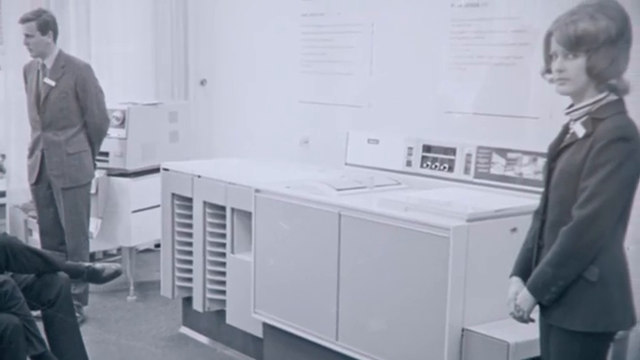
Xerox's Dominance: In the late 1960s, Xerox was a massive corporate titan, having introduced the first commercially viable copy machine in 1959 and holding a virtual monopoly in America [00:37].

The Threat of Competition: When cheaper patents from Japan began threatening their monopoly, Xerox management gave chief scientist Jack Goldman a blank check to innovate [00:54].

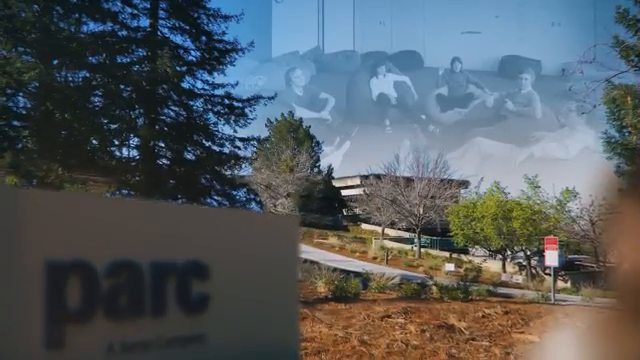
Establishment of PA
Image for chunk 1

RC: In 1970, Jack created the Palo Alto Research Center (PARC) to assemble top-tier computer scientists in an intellectually free and vibrant environment [01:10].

Breakthrough Inventions: Researchers at PARC developed revolutionary technologies, including Ethernet networking, the computer mouse, and most importantly, the graphical user interface (GUI) [01:31].

The Xerox Alto and Management Indifference

The Xerox Alto: PARC combined their inventions into a single advanced workstation called the Xerox Alto, which featured a keyboard, mou

Image for chunk 2

se interface, email, word processing, and event reminders [02:01].

Management Dismissal: Xerox managers in New York were uninterested, viewing the Alto as an overly complicated, $40,000 machine, and only funded a limited production run of 2,000 units without a commercial release [02:22].

Frustrated Researchers: Dissatisfied with management ignoring their breakthroughs, many PARC researchers left to launch their own ventures or join Silicon Valley tech startups [02:45].

Steve Jobs' Visit to PARC

Discovering the Technology: Steve Jobs ev

Image for chunk 3

entually caught wind of PARC’s work while developing the Lisa and Macintosh projects at Apple [03:01].

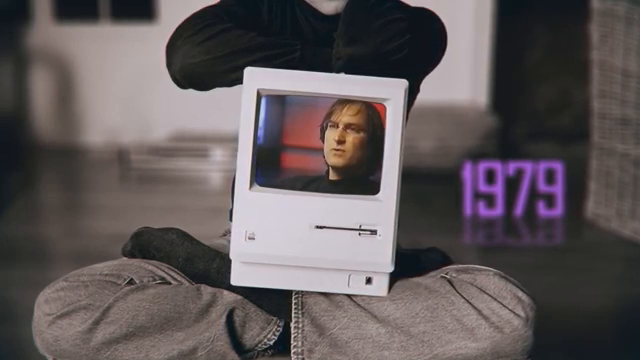
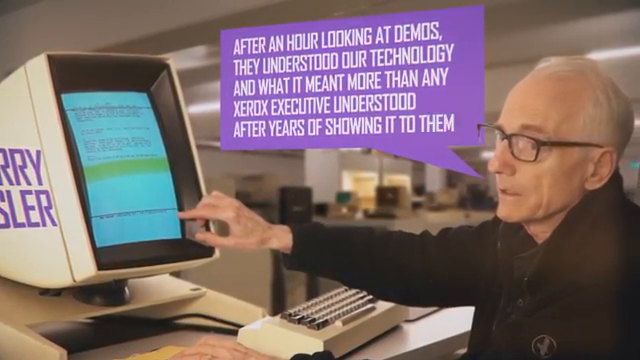
The 1979 Demo: After skepticism and pressure from his employees, Jobs visited PARC in late 1979 [03:14]. He was immediately captivated by the graphical user interface, recognizing within minutes that future computers would operate this way [04:05].

The Exchange: Jobs arranged full technical demonstrations for his programming team in exchange for selling 100,000 shares of Apple stock to Xerox, whose management remained unaware of the t

Image for chunk 4

echnology's true significance [04:34].

Microsoft, Bill Gates, and the Windows Announcement

The Apple-Microsoft Partnership: Microsoft was working closely with Apple as a third-party software developer for the upcoming Macintosh, and Bill Gates was fully aware of the Xerox Alto innovations [05:02].

The Contract Loophole: Jobs made Microsoft sign an agreement in 1981 preventing them from releasing mouse-based software until a year after the Macintosh introduction, which was scheduled for fall 1983 [05:16]. However, project delays pushed

Image for chunk 5

the Mac's release to 1984 while the contract date remained unchanged [05:39].

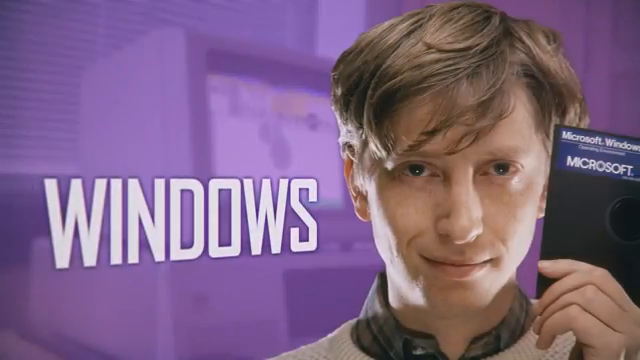
Unveiling Windows: In November 1983, Microsoft surprised the industry at Comdex by unveiling a graphical user interface environment called Windows alongside a mouse-based word processor named Microsoft Word [05:51].

The Confrontation: Jobs sued Microsoft, though the courts eventually cleared Gates of any wrongdoing [06:09]. When confronted by Jobs about theft, Gates famously retorted that they both had a rich neighbor named Xerox and Gates broke in only to fi

Image for chunk 6

nd that Jobs had already stolen the television set [06:16].

Conclusion

Myth vs. Reality: Popular culture and biopics often frame these events as secret heists, but Xerox PARC was actually quite open about demonstrating the Xerox Alto to thousands of people during the 1970s [06:27].

Lasting Impact: Modern computing as we know it would not exist without the foundational technological contributions pioneered at Xerox PARC [06:47].

http://www.youtube.com/watch?v=pQocN_c2uLI

The Xerox Thieves: Steve Jobs & Bill Gates

Business Casual Ā· 1.7M

No image available for chunk 7

Viewer Discussion & Comments

@BusinessCasual
🚨We have received thousands of comments reporting that YouTube removed our most recent video, Why I’m Suing YouTube from your sub-feed. Worse yet, they are now suppressing traffic to all of our other videos. We need your help. If you are reading this, please take a moment right now to subscribe to our free Substack to make sure you receive our next video. āž” https://businesscasualhq.substack.com (using a non-Gmail address is highly recommended)
@Voltedge89
Steve Jobs mentioned in his biography how Xerox was sitting on a gold mine, if they used it right they would be larger than apple Google and Microsoft combined today.
@harshitmadan6449
Poor management always kills great companies.
@Mr_Nibblesworth
That was the weirdest transition into an ad I’ve ever seen.
@KaramaruSama
Having worked at Xerox for three years, I’m really not surprised they sabotaged their own potential success.
@MagnusAnand
This shows two things:
@NemoBlank
Xerox was like most companies, run by a pack of self satisfied fatcats that had no reason to take a risk. They couldn't understand anything about PARC or computers, so they just threw it away.
@mikeheffernan
"Thieves" is an insult, Steve bought the rights to tech that Xerox had basically shelved.
@Padoinky
I joined Xerox in 1985, after graduating from Syracuse with a BS in accounting - worked for 4 yrs, doing the management accounting for the Palo Alto Research Center (aka PARC) and the Leesburg VA management development campus, whilst based in both their Rochester NY Xerox Tower location and the Xerox HQ, located on long ridge road in Stamford CT. I recall using homegrown spreadsheet software on a desktop STAR workstation - it had a GUI interface with an optical mouse, networked initially on token-ring, then with ethernet networking - it was so friggen cool to work up a spreadsheet and then print it, in color, to a network-connected multi-purpose printer/copier/fax device! This was how Xerox tested their technologies - by piloting them on their internal workforce
@blue-man-01
" Good artists copy
@812guitars
I remember talking to one of the old timers of Xerox 20 years back and asked about PARC. His words "if you think the PC was amazing, that was only the tip of the iceberg" . Lord knows what else Xerox lost after the company fell.
@TierZoo
OG business casual returns :)
@videooblivion
My uncle (RIP 2003) was part of the original PARC group. They were more than computer scientists. They didn’t create the mouse (that was Douglas Englebart and his team at SRI). And you are oversimplifying Xerox management’s attitude toward their work. (They did commercialize products based on the Alto, the Star.) For those really interested in the details, there’s a great book about it by Hiktzik.
@coopermiller3216
thanks for bringing your voice back
@advancetotabletop5328
Worked at Xerox PARC for a few years in internal tech support, even got to see the Alto, the first personal computer. Xerox PARC certainly created the first GUI, and Xerox management didnā€˜t recognize researcher efforts, but the GUI’s that I saw were not fit for business use. They were made by engineers who assumed everyone wanted complexity, not usability. Mice, for example, had three buttons, and they were not used as they are today. You had to memorize different combinations of buttons for each application, rather than the ā€œleft button = pointā€ ā€œright button = menuā€ interface we have today. We also had context-sensitive soft keys, which, again, required hefty amounts of memorization of knowing what context you had to set up to make a certain command appear. GUIs had a long way to go. Xerox PARC created the concept of the GUI, but Jobs made the GUI *usable*.