This Cat Makes No Trash


Channel: BuzzFeedVideo
Uploaded by BuzzFeedVideo on 20190320
Categories: People & Blogs
Tags: KtKp, PL5vtqDuUM1Dmy4t5c_7dYCem1zXdKoZqQ, VkMT, buzzfeed, buzzfeed video, buzzfeedvideo, cat, eco friendly, flushing cat litter down the toilet is bad for marine life, how to be zero waste with a cat, leslie campbell, no trash cat, no trash litter, sustain la, sustainability, sustainable, zero waste, zero waste cat, zero waste cat food, zero waste lifestyle, zero waste litter
The Campbells are opening up a zero-waste refill station in Los Angeles: https://ifundwomen.com/projects/sustain-la-zero-waste-refill-station Credits: https://www.buzzfeed.com/bfmp/videos/78861 Check out more awesome videos at BuzzFeedVideo! https://bit.ly/YTbuzzfeedvideo GET MORE BUZZFEED: https://www.buzzfeed.com https://www.

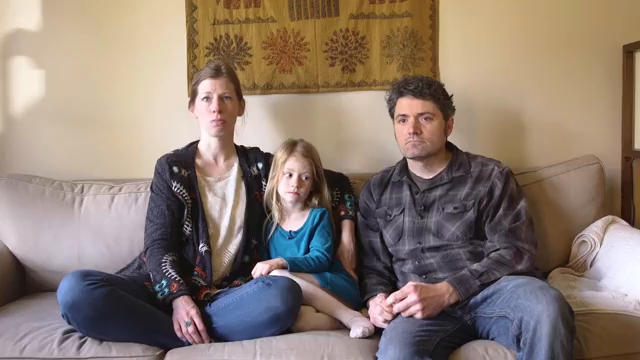
This video, titled "This Cat Makes No Trash," features a couple who transitioned to a zero-waste, homemade diet for their cat, Django, to manage his health issues.

Health and Diet Transition

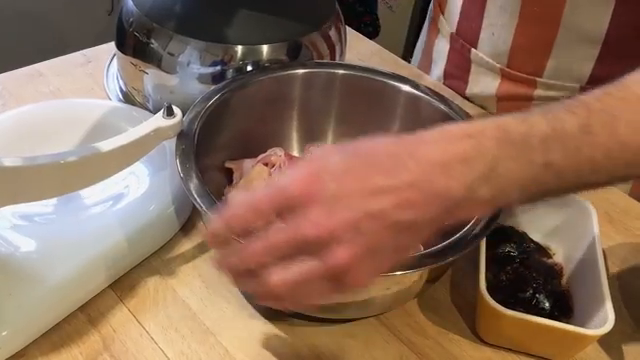
The owners initially fed Django dry food, which led to the development of painful bladder crystals [00:21]. A veterinarian recommended switching to a wet-food-only diet. They opted to make the food from scratch based on a recipe from a Canadian veterinarian, which includes gro
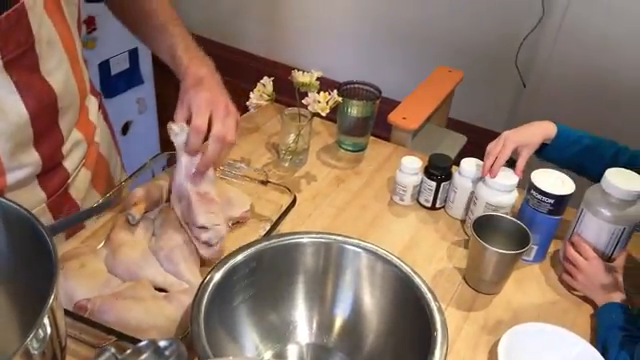
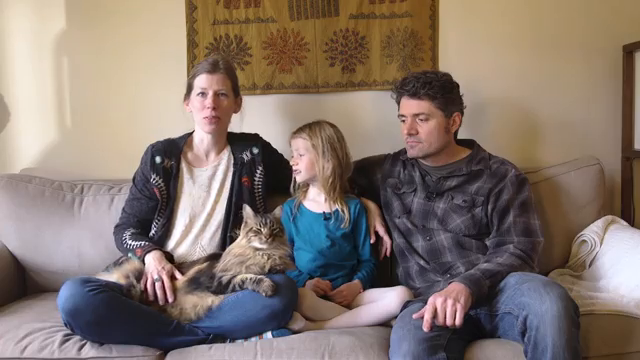
Image for chunk 1

und chicken, chicken liver, and specific supplements to ensure nutritional balance [00:44].

Benefits Observed:

Health: The cat is much healthier and no longer suffers from bladder crystals [00:39].

Waste: The cat’s urine no longer has a strong ammonia smell, and his stool odor is significantly reduced [01:38].

Coat: His coat is described as beautiful and shiny [01:44].

Energy: He appears peppier and has more energy [01:51].

Financial Comparison

Switching to homema

Image for chunk 2

de food proved to be more cost-effective than store-bought canned food.

Feeding Method Monthly Cost (Approx.)

Store-bought Canned Food $150

Homemade Food $50 - $60

Note: The cost of the homemade food depends on the price of the chicken [01:18].

Zero-Waste Litter Solution

The couple utilizes pine litter, which is compostable, to maintain a zero-waste household [01:57].

Disposal: Cat feces are placed in the trash (as flushing is discouraged to protect marine life),

Image for chunk 3

while the remaining clean pine litter is composted [02:01].

Odor Control: After testing various options like wheat and walnut shell litters, they found that pine litter most effectively keeps odors at bay [02:22].

Preparation Process

The process involves grinding fresh chicken and cooked liver with essential supplements [03:04].

Preparation: The meat is sourced package-free from the butcher [03:21].

Nutrients: Since they currently use chicken, they must add bone m

Image for chunk 4

eal to achieve the correct nutritional ratio that a cat would naturally get from consuming bones in the wild [03:44].

Storage: The prepared mixture is portioned into jars and frozen, lasting about 10 days per batch [04:39].

Special Needs: Django, a rescue cat, receives additional probiotics to manage sinus infections resulting from cartilage spurs in his nose [04:53].

URL: https://www.youtube.com/watch?v=O8PTqGtTV0M

This Cat Makes No Trash

BuzzFeedVideo · 193K vie

Image for chunk 5

Viewer Discussion & Comments

@JustinZamora
I came here to virtually pet this cat.
@happyellf
That cat is magnificent AF and he knows it.
@Doomguydoesit
I appreciate that even though they say they are mostly vegetarian they respect that their cat needs meat
@LyssaLystens
I appreciate how even though they are a vegetarian household, they still feed their cat meat! The research that this family did on recipes, necessary vitamins, etc obviously paid off. That cat is gorgeous and his coat is very healthy. From what they described (the cat's health complications), they are really improving Django's life by taking the time to do this.
@melo13melo
Great example of good pet care. They live their life style but they don't sacrifice the cat's health for their life style. Good job!