This Is How the World Ends According to Science


Channel: PBS Terra
Uploaded by PBS Terra on 20260116
Categories: Education
Tags: climate change, climate science, global warming, Weathered, Maiya May, Luke Kemp, Laurie Laybourn, NOAA, climate disasters, extreme weather, disaster costs, climate risk, risk management, worst case scenario, worst-case scenarios, climate projections, IPCC, CO2, carbon dioxide, Paris Agreement, climate policy, renewable energy, derailment risk, food prices, food security, Arab Spring, insurance crisis, AMOC, ocean circulation, geopolitics, nuclear winter, nuclear war
Check out our Patreon: https://www.patreon.com/cw/PBSWeathered?utm_medium=unknown&utm_source=join_link&utm_campaign=creatorshare_creator&utm_content=copyLink Weathered Merch: https://crowdmade.com/collections/weathered?srsltid=AfmBOoqD_u-BPUDcUpEZyzLnz95hLnizczYPEILsp1PXZM4XadRuxK_M There’s an 18% chance that global warming ex

Title Analysis and Language Check:

The title of the video is "This Is How the World Ends According to Science", which is in English. Therefore, this detailed summary and analysis are provided in English, adhering strictly to text and ASCII-based visualizations.

Video Overview

The video, produced by PBS Terra for the series Weathered, explores the scientific analysis of "climate endgame" scenarios—the worst-case outcomes of global warming. It argues that studying extreme risk is not alarmism, but a necessary form of risk management. The c
Image for chunk 1

ore message is that the greatest danger arises when climate extremes interact with, destabilize, and collapse fragile human systems (political, financial, and geopolitical).

1. The Problem with Risk Management & Data Suppression

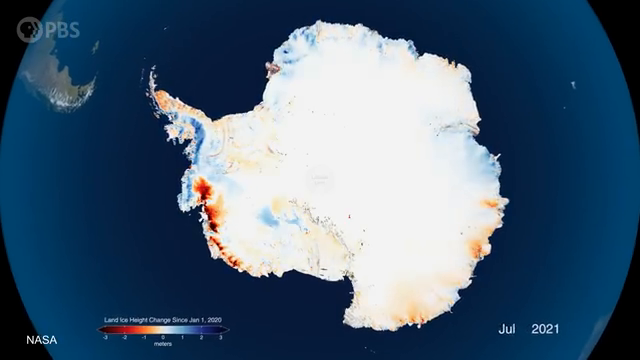
The Invisible Graph: The video highlights that NOAA (National Oceanic and Atmospheric Administration) historically tracked the rising cost of billion-dollar climate disasters in the US [00:06]. However, in 2025, funding for these updates was cut, reflecting a broader trend by administrations to suppress inconveni

Image for chunk 2

ent data [00:23].

The "Alarmist" Stigma: Scientists studying extreme scenarios face backlash for being "doomers" or "alarmists" [00:32].

IPCC Underrepresentation: Text-mining research of IPCC reports reveals that high-end warming scenarios are substantially underrepresented compared to low-degree goals (like 1.5°C and 2°C) [02:41]. In standard engineering (aviation, medicine, automotive), testing the absolute worst-case scenario is basic safety practice [02:00].

2. Temperature Projections and Deep Uncertainty

Current Baseline: Under exis

Image for chunk 3

ting global policies, the planet is on track for a temperature rise between 2.6°C and 2.9°C by 2100 [03:03].

The Assumptions: This ~3°C estimate assumes sustained political cooperation and that Paris Agreement pledges are met [03:19].

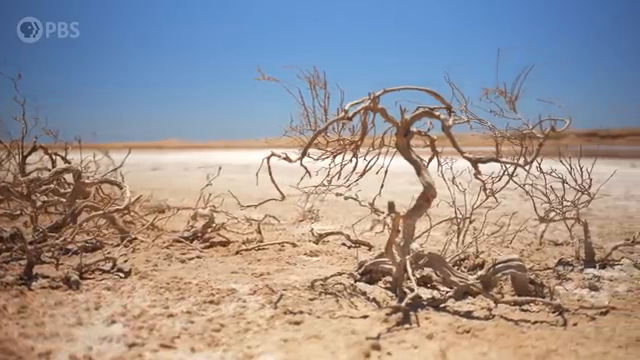
Climate Sensitivity Risk: Climate sensitivity (how much the Earth warms in response to doubling CO2) is highly uncertain. If we reach 560 ppm of CO2, there is still an 18% chance temperatures will spike above 4.5°C—a level not seen in 15 million years, when sea levels were tens of meters higher [04:15].

Pro

Image for chunk 4

bability Distribution of Warming (at 560 ppm CO2)

+-------------------------------------------------------+

| ██████████████████████████████████ | 18% | -> Exceeds 4.5°C

| (Likely Range: 2.6°C - 2.9°C) | 82% | -> Lower/Mid Range

+-------------------------------------------------------+

3. System Failures and "Derailment Risk"

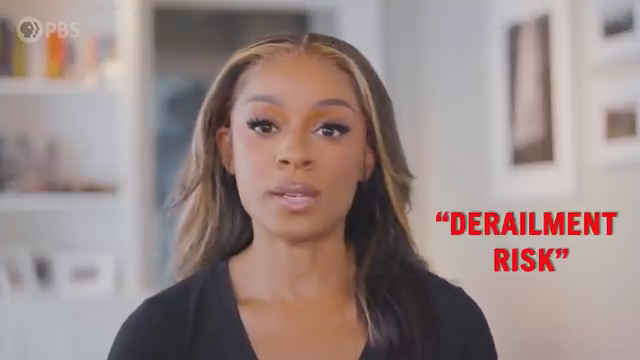
The primary threat to civilization is not just heat, but Derailment Risk: when climate chaos prevents society from acting further on climate change [06:00].

+----------------------

Image for chunk 5

-----+

| Climate Extremes |

+-------------+-------------+

|

v

+---------------------------+

| Stress on Human Systems | (Food, Insurance, Finance)

+-------------+-------------+

|

v

+---------------------------+

| Political/Social Chaos |

+-------------+-------------+

|

v

+---------------------------+

| DERAILMENT: Inability to | <--- Spiral into Collapse

| Take Further Climate Action|

+-

Image for chunk 6

--------------------------+

Historical and Modern Examples:

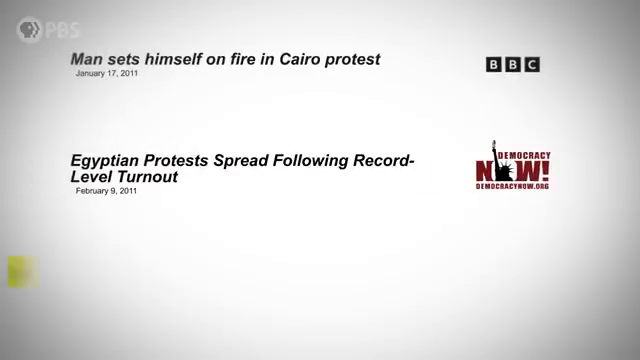
The 2010 Russian Heatwave: A massive heatwave destroyed Russian wheat crops [06:21]. Russia banned cereal exports, doubling food bank reliance in the UK and spiking global bread prices. This economic stress acted as a critical accelerant for the political upheaval of the Arab Spring in Egypt [06:36].

The Insurance Breakdown: In Los Angeles, climate-driven fires burned 16,000 homes [07:06]. Because math breaks down under unpredictable extremes, insurance companies are dropping cl

Image for chunk 7

ients. Without property insurance, mortgages cannot be secured, threatening the foundation of the capitalist financial framework [07:35].

4. A Plausible Collapse Scenario (The 2030s and Beyond)

The video features experts outlining a step-by-step cascading collapse model:

[Early 2030s]

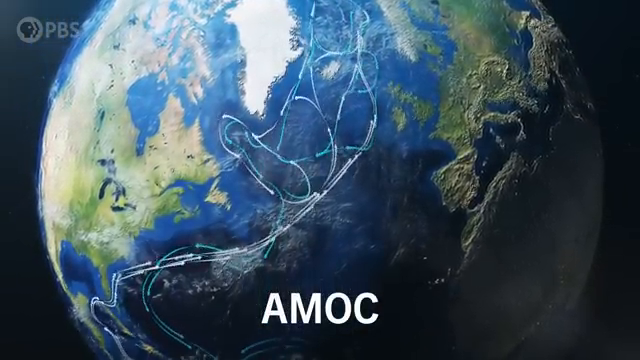
Collapse of North Atlantic Subpolar Gyre (part of AMOC)

Severe cold hits NW Europe -> Financial panic & market corrections

Global economic destabilization (World is politically & socially derailed)

Full AMOC

Image for chunk 8

Circulation Collapse

Disrupted Global Monsoons (Severe impacts over India & Pakistan)

Resource Scarcity / Water Drying Up

Nuclear Conflict between armed nations (India vs. Pakistan)

[Nuclear Winter] -> Soot blocks sunlight -> 2 to 5+ Billion deaths from famine

AMOC Collapse: A shutdown of the Atlantic Meridional Overturning Circulation (AMOC) disrupts global weather, significantly altering food-growing regions in Europe and stopping vital monsoon seasons in India and Pakista

Image for chunk 9

n [09:39].

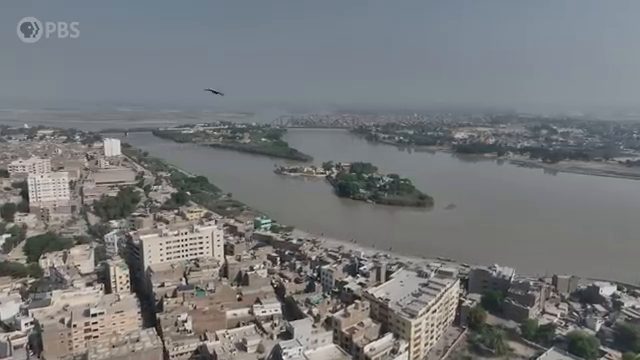
The Nuclear Flashpoint: India and Pakistan, both nuclear-armed nations with a history of hostility, share a vital water resource threatened by climate change [09:56]. Extreme agricultural stress could trigger a regional nuclear conflict.

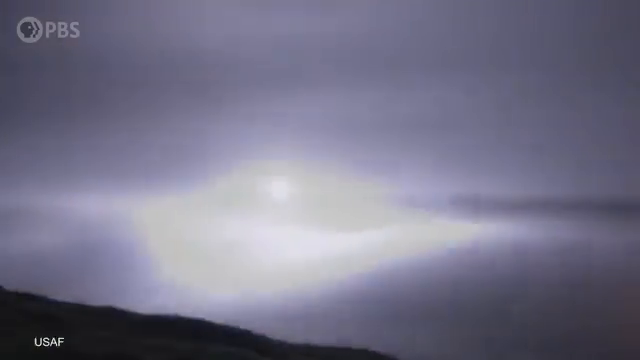
Nuclear Winter: Even a limited regional nuclear war would inject enough soot into the atmosphere to block sunlight, causing global crop failures and killing an estimated 2 billion people via starvation [10:18]. A full-scale nuclear war would result in over 5 billion deaths [10:35].

5. Conclusi

Image for chunk 10

on: The Value of the Worst-Case Scenario

The video concludes with a historical parallel to the Cold War [10:49]. Civilizations only prioritized nuclear deterrence once scientists fully modeled and visualized the horrific reality of "Nuclear Winter." By openly studying and mapping out the "climate endgame," humanity maximizes its chance to navigate away from the worst-case scenario and implement necessary solutions [11:12].

URL: https://www.youtube.com/watch?v=wugkIxGKzx8

This Is How the World Ends According to Science

PBS Terra · 990K vi

Image for chunk 11

Viewer Discussion & Comments

@jankycandle3796
It's so sad that PBS has to have merch and a Patreon...
@theholyorb7530
Don't worry guys, the world may be ending, but at least the shareholders had a really high imaginary number
@ericromano7703
Ah yes, a guy who's almost 80 years old gets to limit our access to information to help plan for the future.
@groovy9977
love how they cut funding and you guys immediately started reporting on the things they’re trying to hide ❤
@Seanroberts-q9o
Politicians have hijacked a scientific fact. GREED will doom humanity to extinction