Verdun, the Battle of the Great War


Channel: World at War
Uploaded by World at War on 20260420
Categories: Education
Tags: documentary, documentaire, war, verdun, 14-18, france, great war, battle
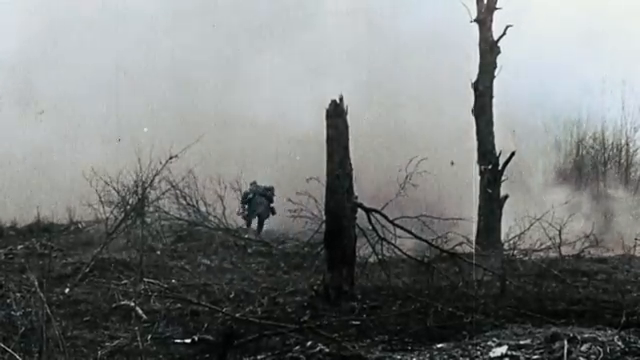
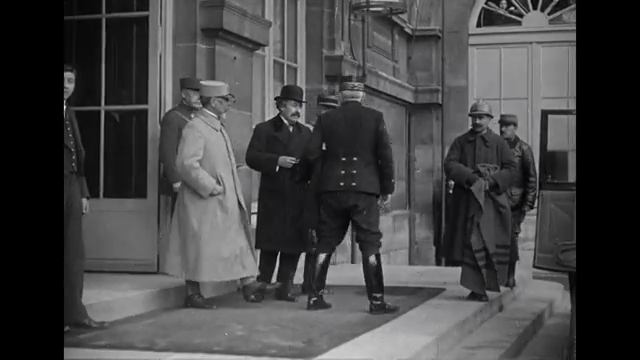
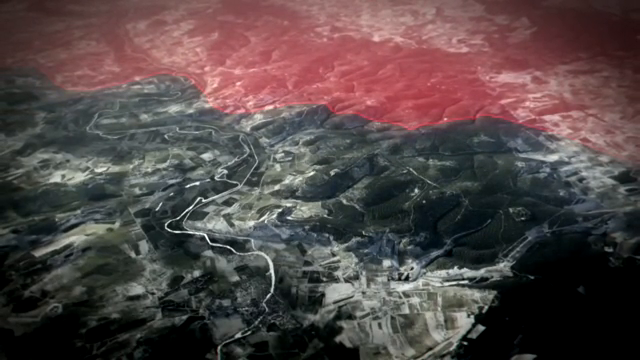
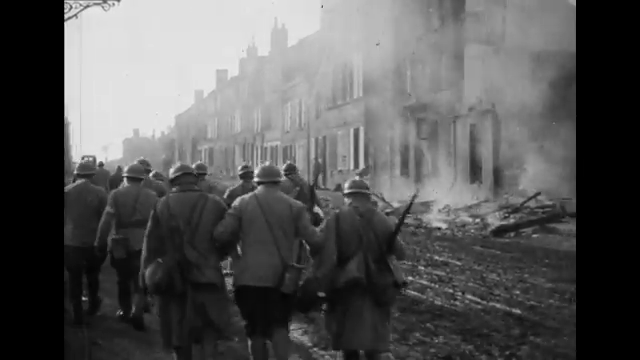
From February to December 1916, the French and Germans waged one of the First World War’s most devastating battles in order to take control of the hills around Verdun. A head on confrontation, fought with no help from their allies, army versus army, nation versus nation. 11 months of fighting, over 2 million soldiers mobilised and

Verdun, the Battle of the Great War (Verdun, la bataille de la Grande Guerre)

Introduction to the Battle of Verdun (1916)

Duration & Significance: Occurred in 1916, recognized as the longest and one of the bloodiest battles of the First World War.

Casualties: Ap
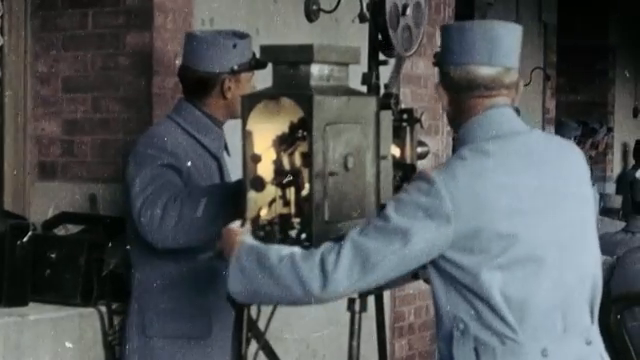
Image for chunk 1

proximately 300,000 dead and 400,000 wounded over a few hills in eastern France.

Initial Perspectives: While viewed today as a senseless massacre, soldiers a century ago approached the conflict with a sense of duty and willingness to fight.

Life on the French Fr

Image for chunk 2

ont Prior to the Offensive (Late 1915)

Conditions: French soldiers near Verdun felt relatively safe behind heavily fortified positions, occupying their time with leisure activities such as projecting films.

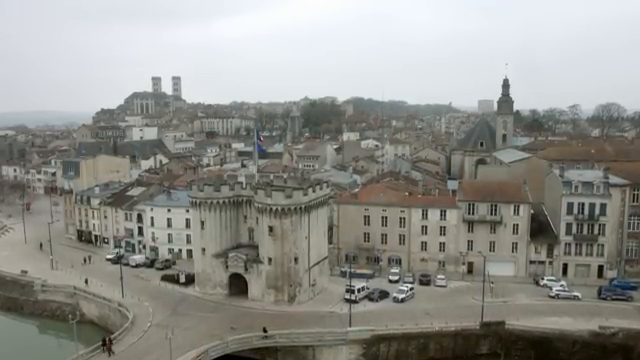
Defense Network: The town of Verdun, bisected by the Me

Image for chunk 3

use River, was protected by over 30 forts (including Douaumont, Vaux, and Souville) intended to prevent an invasion from the east.

German Strategy and Secret Preparation

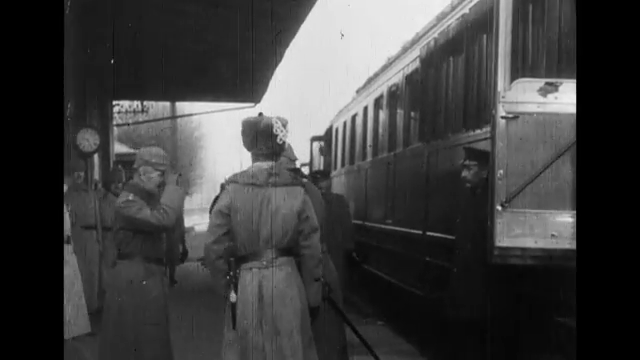
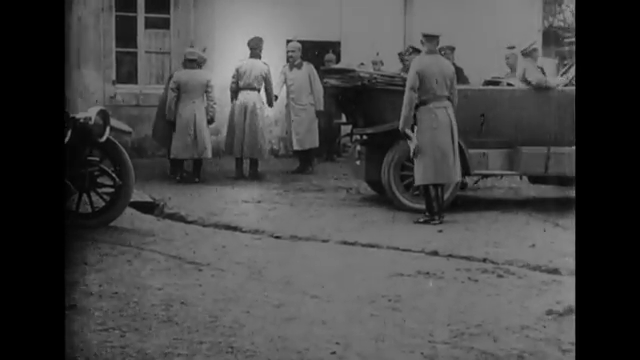
Leadership: Supreme Commander Kaiser Wilhelm II and his son, the Crown Prince (distinguished

Image for chunk 4

by the death's head on his hat), planned a major surprise offensive against the strongest position on the French front.

Objective: Crush French forces at Verdun before turning attention toward British forces to secure victory.

The Opening Barrage (February 21,

Image for chunk 5

1916)

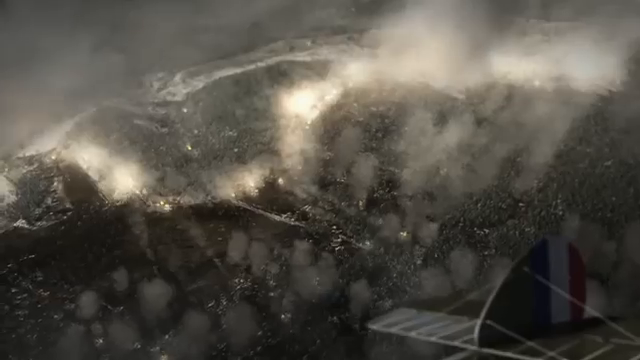
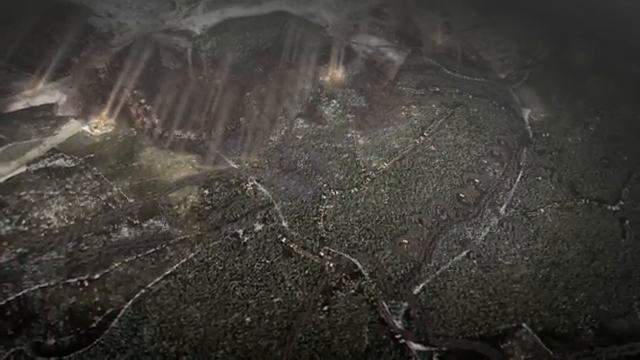
Artillery Assault: German forces unleashed a massive bombardment utilizing 1,200 cannons firing roughly one million shells in a single day, destroying French defenses.

Infantry Assault: Over 30,000 German soldiers surged forward, overwhelming French positi

Image for chunk 6

ons, including those defended by Lieutenant Colonel Driant at Bois des Caures.

The Fall of Fort Douaumont (February 25, 1916)

Capture: A small party of Brandenburg soldiers, led by Captain Haupt, successfully breached Fort Douaumont—the most powerful fort in Fra

Image for chunk 7

nce—taking advantage of the fact that it had been left largely unmanned during the initial panic.

Psychological Impact: The fall of the fort caused deep humiliation and fear in France, while triggering celebrations in Germany.

Philippe Pétain and the Sacred Way

Image for chunk 8

(La Voie Sacrée)

Logistics & Reinforcement: General Philippe Pétain took command of the defense and organized a vital supply line known as the "Sacred Way," utilizing a continuous stream of trucks (6,000 troop changes a day) to transport men and ammunition.

Mora

Image for chunk 9

le: Troops rallied around the determination that the enemy "shall not pass" (Ils ne passeront pas).

The War of Attrition and Escalation

Key Locations: Heavy fighting shifted to contested locations such as Dead Man's Hill (Cote 304) and Mort Homme, characterized

Image for chunk 10

by relentless carpet shelling and heavy casualties on both sides.

Industrial Warfare: The conflict devolved into a brutal stalemate driven by industrial technology, artillery, and mutual exhaustion rather than strategic territorial gains.

Political and Social Fa

Image for chunk 11

llout

Germany: Internal strain grew due to the Allied naval blockade, resulting in food shortages, civilian protests, and anti-war demonstrations (such as those led by Karl Liebknecht).

France: While the home front in Paris largely resumed normal activities, sol

Image for chunk 12

diers endured grueling rotations through the front-line abattoir.

Leadership Changes: Erich von Falkenhayn was replaced by Hindenburg and Ludendorff in August 1916 after failing to secure a quick breakthrough.

The French Counteroffensive and Conclusion (Late 191

Image for chunk 13

6)

Retaking Forts: Backed by heavy artillery, French forces launched successful counter-attacks, recapturing Fort Douaumont on October 24, 1916.

Final Toll: By December 1916, when the battle officially concluded after 300 days of fighting, German losses reached

Image for chunk 14

approximately 140,000 dead and 190,000 wounded, while French losses totaled about 160,000 dead and 210,000 wounded, leaving a lasting traumatic imprint on global history.

http://www.youtube.com/watch?v=x5iz3uZA6Co

Verdun, the Battle of the Great War

World at War

Image for chunk 15

Viewer Discussion & Comments

@skippygatten8572
I have visited Verdun. I hiked all over. It’s a sinister place there are shell holes all over. I found some human bones which I didn’t touch.
@josephhughes3313
War is complete madness
@воха-с5п
Прошло сто лет , а мозгов, ума, у людей так и не прибавилось.. Так же продолжаем уничтожать друг, друга ... В безумных войнах...
@andyharris17able
When your really having a shit day , please remember this video and remember what both sides endured , and you will realize your day hasn't in fact been bad at all ...WE SHALL REMEMBER THEM .,🙏
@Papinl-m6x
My Grand-father was there, he was awarded of the " croix de guerre avec palmes", He belonged to the "2nd Machine Gun Company of the 16th french Infantry Regiment". He was gassed in september 1918, but survived. When I was young, he never talked about the war, but he has left us a lot of documents and "citations à l'ordre de l'armée" for his regiment. Some precious memories of these years in hell!