What American Soldiers Ate in WWII (B-Ration)


Channel: Tasting History with Max Miller
Uploaded by Tasting History with Max Miller on 20260804
Categories: Education
Tags: tasting history, food history, max miller
Start your Discovery Trial with Trade at https://www.drinktrade.com/maxmiller Support the Channel with Patreon ► https://www.patreon.com/tastinghistory Recipe at https://www.tastinghistory.com/recipes Order the TASTING HISTORY COOKBOOK: https://amzn.to/42O10Lx Merch ► https://crowdmade.com/collections/tastinghistory Instagram

Here is a detailed breakdown of the video "What American Soldiers Ate in WWII (B-Ration)" by Tasting History with Max Miller:

Overview of WWII US Army Rations

Logistical Challenge: Feeding millions of American troops during World War II required an extensive system of field rations, including the C-ration, D-ration, K-ration, and B-ration [00:00].

The "Alphabet" Rations: The US military relied on various levels of rations, generally declining in perceived quality and freshness the further soldiers were from permanent bases [07:04].

A-Ration: Consisted of fresh me
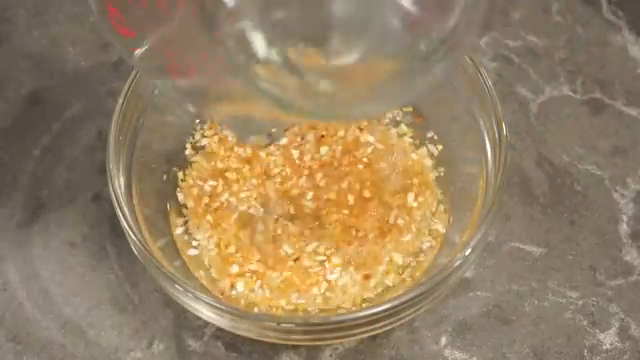
Image for chunk 1

at, fresh vegetables, and fresh milk, consumed on army bases well behind the lines [00:56].

B-Ration: Prepared from around 100 items of canned, dehydrated, or preserved foods [01:14], cooked in field kitchens shortly after a landing or forward movement [01:07].

C-Ration: Fully canned, pre-cooked individual meals designed to be eaten without cooking equipment [10:10].

D-ration: An emergency high-energy chocolate bar [11:03].

Caloric Intake: The American military provided lavish caloric counts compared to other nations, averaging 4,300 calories during training and

Image for chunk 2

over 4,700 calories for combat troops [18:14].

Cooking from the B-Ration Manual

Max Miller uses the US Army Technical Manual 10-412 (the World War II Army Recipe Book) to recreate a full B-ration meal [00:44], scaling down recipes originally written for 100 people [01:54].

1. Main Dish: Vienna Sausage and Beans (Recipe No. 880)

Ingredients: White beans, dehydrated onions, bacon, canned tomatoes, tomato puree, sugar, dry mustard, salt, pepper, and Vienna sausage [02:15].

Preparation:

Soaking and simmering white beans for an hour [02:41].

Rehydrating onions and fry

Image for chunk 3

ing them with diced bacon [02:58].

Combining tomatoes, puree, sugar, spices, and the cooked beans, then simmering [03:08].

Adding sliced Vienna sausages and simmering further [03:30].

Tasting Notes: Max found the Vienna sausages remarkably soft ("you could eat it with your tongue") and rated the dish a D, noting it mostly tasted of tomato [20:52].

2. Beverage: Pineapple Milk (Recipe No. 803)

Ingredients: Powdered milk, sugar, water, and pineapple juice [05:50].

Preparation: Whisking powdered milk and sugar into water, then mixing in the pineapple juice and chilli

Image for chunk 4

ng [06:08].

Tasting Notes: Despite potential concerns about milk curdling with citrus/fruit juices, the powdered milk created a smooth, creamy beverage that retained the pineapple flavor without astringency [23:00].

3. Dessert: Apple and Cranberry Sauce (Recipe No. 893)

Ingredients: Dehydrated apple nuggets, dehydrated cranberries, and a generous amount of sugar [19:54].

Preparation: Rehydrating the apple nuggets, combining them with cranberries and water, simmering, and then stirring in sugar [20:02].

Tasting Notes: Unlike a smooth sauce, it resembled a compote

Image for chunk 5

[19:48] and turned out surprisingly delicious, pairing well with pork or similar meats [22:05].

Morale, Logistics, and Soldier Feedback

Coffee: Considered a crucial commodity, often rivaling ammunition in importance for troops [03:52]. While instant coffee existed, B-rations supplied proper coffee for larger groups [14:12].

C-Ration Complaints: Although theoretically intended to provide robust nutrition and convenience, C-rations were widely despised due to lack of variety, uninspiring minced meat particles [11:50], and extreme psychological fatigue from eating c

Image for chunk 6

anned goods for months (such as during the amphibious landings in the Pacific and North Africa) [14:00].

The Importance of Morale Boosts: Recognizing the psychological toll of poor diets, commanders occasionally deployed mobile field kitchens to bake fresh pastries (donuts, cookies, cakes) and prepare fresh sandwiches during difficult campaigns like Monte Cassino, dramatically lifting troop morale [17:10].

Watch the video on YouTube: http://www.youtube.com/watch?v=x662Tf9jzRs

What American Soldiers Ate in WWII (B-Ration)

Tasting History with Max Miller · 33K view

No image available for chunk 7

Viewer Discussion & Comments

@shostachol
I always put on a Tasting History video about WWII when I eat my student dorm food so I feel less bad about eating instant ramen when looking at the slop those poor soldiers had to endure.
@Betta66
One aspect of WWII that gets overlooked is the fighting in Africa. I’d like to see what soldiers fighting in one of the African campaigns ate
@PhantomObserver
If you are going to do the K ration, may I suggest you do it outdoors, using a camping stove (doesn’t have to be the WW2-era stove, but certainly something packable)? A picnicking environment would certainly be intriguing enough for this portable ration.
@subnormalityha
As soon as I heard "Vienna sausage," I knew I would see Max grimace.
@MrTweell
My father grew up during the Depression, and enlisted in the Navy at the first opportunity. He told me that Basic Training was the first time he was able to eat until he was full. Even during the holidays or during harvest season his family would leave the table hungry.
@questionmark05
In the pacific towards the end when the british pacific fleet arrived a US carrier suffered damage to its cinema. One british sailor worked in the west end theaters pre war and could fix them so was sent over to repair the curtains. As thanks they feed the british sailor lunch, an American sailor infront of him in line was complaining about getting chicken, again! The British sailor said it was almost half a chicken and the last time he had seen one since the start of the war was a picture on the side of a can of chicken soup!
@donaldlewis567
The look on Max's face when he first tried a Vienna sausage - classic :) "You can eat it with your tongue"
@TarAmandil
I've heard about US, German, and Japanese rations but haven't seen much about English or soviet rations, and the French were knocked out so quick that I've never seen their's brought up
@VFRSTREETFIGHTER
The world NEEDS a Steve1989 and a Tasting History crossover!
@loganthompson5257
Let's get this out onto a tray.
@PokhrajRoy.
0:12 Is that a Marie Biscuit or Hardtack (clack clack)?
@mypal1990
It's cool that restaurant kitchens really are basically platoons that feed either an army unit or civilians.
@Rationalasylum
21:02 Vienna sausage is used as a lunch ingredient for many senior homes.
@lisaknox4257
My father fought in WWII. He was born in 1922, me in 1966. He never talked about the war or the food; I understand why to both. But he did enjoy France. As a young Black GI, I'm sure he did. BTW: I watch the MRE vlogs because if my father had to eat them and fight the war, I like to know what he may have eaten. He had the very simple diet of a person raised during the Depression all my life. He died when I was 13, Father's Day, June 15, 1980.
@ruthiebgfamily132
Vienna Sausage makes me think of Budae-jjigae. Max, I’d be interested in learning more about the Korean War rations and how they affect Korean cuisine to this day.