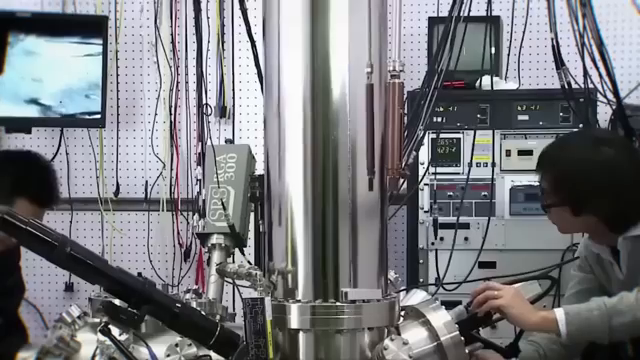
What JUST happened in China will change history...


Channel: Statrys
Uploaded by Statrys on 20260630
Categories: News & Politics
Tags: statrys, business account, china, nuclear, reactors, thorium, energy, electricity, power, uranium, france, britain, germany, america, flamanville, hinkley, vogtle, fukushima, chernobyl, moltensalt, kazakhstan, oil, grid, datacenters, ai, manufacturing, factories, steel, infrastructure, costs, economy, asia, entrepreneurship, competition, technology, engineering, construction, gigawatts, deserts, gobi, hualong, fuel, industry, west, decline, batteries, chemicals, exports, dependence, strategy, future, rare earth, xi jingping, chinese, nuke
https://bit.ly/statrys-business-getstarted China Nuclear 00:00 Introduction 01:37 The Scoreboard 02:49 The Chinese Machine 04:29 How the West Lost the Plot 06:30 The Thorium Card 08:57 Why This Lands on You 10:58 Open Question For fifty years, nuclear power was one of the West's ultimate marks of dominance. America split the atom

The title of the video is in English, so this response is provided in English. Below is a detailed breakdown of the content and themes covered in the video.

Executive Summary

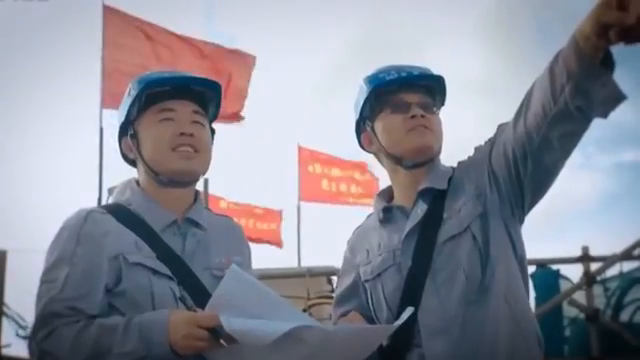
The video outlines China’s massive acceleration in nuclear energy deployment compared to the stagnation and decay of nuclear engineering infrastructure in Western nations. While Western countries grapple with bureaucratic delays, cost overruns, and public anxiety, China is building reactors at a pace not seen since the 1970s. Crucially, China is commercializing advanced thorium-based molten salt reactors—a technology originally developed and then abandoned by the United States in the 1

Image for chunk 1

960s. This aggressive strategy aims to secure massive volumes of cheap, reliable, and clean electricity to dominate future industrial competition, particularly the intensive power demands of AI data centers.

Key Comparisons & Statistics

+-------------------------------------------------------------------------+

| NUCLEAR ENERGY AT A GLANCE |

+-------------------------------------+-----------------------------------+

| WEST | CHINA |

+-------------------------------------+-----------------------------------+

| - Decades of inactive skill rot | - ~60 op

Image for chunk 2

erational reactors |

| - High regulatory paperwork load | - ~40 reactors under construction |

| - Construction: ~15 years per unit | - Construction: 5 to 7 years |

| - Cost: $15B+ per reactor (US) | - Cost: ~$3 Billion per reactor |

| - Projecting starts out to 2038 | - Approving ~10 new units/year |

+-------------------------------------+-----------------------------------+

The Construction Gap: A standard reactor in China transitions from empty ground to grid connection in 5 to 7 years [02:23]. In contrast, the latest American reactors built at Plant Vogtle in Georgia took roughly 15 years each and doubled their original budg

Image for chunk 3

ets [02:29].

Economic Scale: China's standardization allows it to build a reactor for roughly $3 billion [03:34]. Meanwhile, American projects frequently exceed $15 billion [03:41], and British projects like Hinkley Point have ballooned from an estimated £18 billion to around £50 billion [06:06].

Why China is Succeeding (The Standardization Strategy)

The video dismisses the common Western narrative that China achieves this through cheap labor or safety shortcuts [02:50]. Instead, it highlights structural and systemic advantages:

Mass Production Models: Rather than designing every plant from a blank slate, China relies on a few standardized models—primarily

Image for chunk 4

the homegrown Hualong One [03:09].

Serial Construction: They build reactors in batches of six or eight at a single site [03:15]. As a construction crew finishes one unit, they move immediately to the next, preserving institutional memory and keeping supply chain factories constantly active [03:15].

Streamlined Regulation: Regulators review the exact same designs repeatedly, speeding up the bureaucratic machine rather than demanding custom approvals for every single site [03:21].

State-Backed Financing: Because the state finances these developments through state banks, the typical decades of legal wrangling, shareholder anxiety, and public opposition seen in

Image for chunk 5

the West are absent [03:54].

The Decline of Western Nuclear Capability

The speaker explains that the West did not lose its edge in a dramatic conflict, but rather talked itself out of the market over three distinct waves of panic [05:25]:

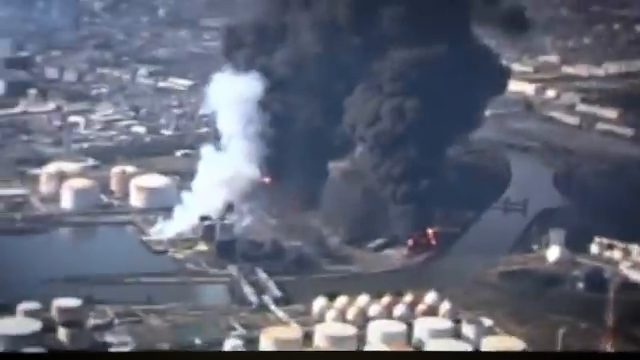
1979 (Three Mile Island): Caused widespread public distrust in the US, leading to the cancellation of 67 planned reactors [04:33]. The later arrival of cheap shale gas in the 2000s finalized the economic case against nuclear power in America [04:48].

1986 (Chernobyl): Generated deep-seated environmental and technological anxiety across Europe [04:56].

2011 (Fukushima): Hardened fear into official policy, prompting Germany

Image for chunk 6

to completely phase out its 17 operational nuclear plants by 2023 [05:03], prompting major firms like Siemens to abandon the sector entirely [05:18].

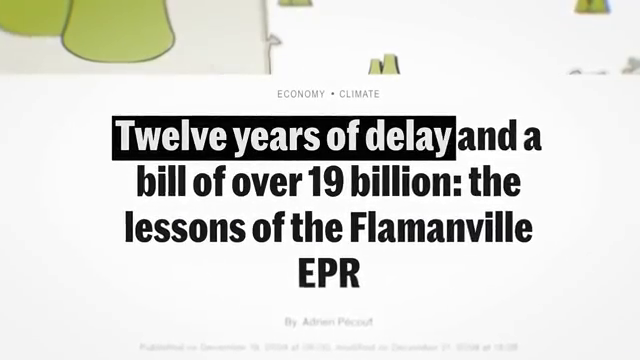
As a consequence of a 35-year construction hiatus, the Western supply chain and engineering workforce decayed. Trying to build a reactor today in places like Flamanville (France) or Hinkley Point (UK) requires relearning the entire craft from scratch on the job, multiplying costs and delays [05:37].

The Thorium Revolution

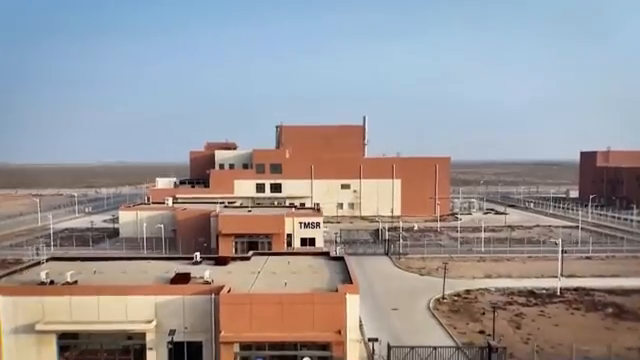
China’s long-term energy independence relies heavily on thorium-based molten salt reactors [06:26].

[Monazite Ore Mining] ---> Extracted: Rare Earth Metals (Global Monopoly)

Image for chunk 7

|

+--> "Waste" Product: Thorium

|

v

[Molten Salt Desert Reactors]

|

v

60,000 Years of Industrial Power

Geopolitical Security: China relies on maritime imports for roughly 70% of its oil, making it vulnerable to blockades [06:34]. Furthermore, 40% of the world's uranium is mined in Kazakhstan [06:47]. Thorium offers total self-reliance.

Burning the "Garbage": Thorium is

Image for chunk 8

a abundant byproduct found inside monazite ore, which China already mines in massive quantities for rare earth metals at the Bayan Obo mine in Inner Mongolia [07:12]. For decades, thorium was discarded as radioactive waste; China's current reserves could theoretically power the nation for 60,000 years [07:20].

The American Blueprint: The molten salt architecture was successfully built and proven by American scientists in the 1960s but was abandoned because it did not produce plutonium for nuclear weapons [07:56]. Chinese teams pulled these declassified documents from public archives to build their current systems [08:23].

No Water Required: Because molten

Image for chunk 9

salt reactors do not require massive amounts of water for cooling, China can deploy them deep within the arid, unpopulated terrain of the Gobi Desert [08:52].

The Broader Economic Impact: The AI War Game

Energy pricing is the foundational cost underneath all global manufacturing and technology [09:56]. Currently, industrial electricity in Europe costs roughly double the US rate and significantly more than in China [09:24]:

+-------------------------------------------------------+

| ESTIMATED INDUSTRIAL ELECTRICITY COST COMPARISON |

+-------------------+-----------------------------------+

| Germany / Europe | 20 cents / kWh |

| Chin

Image for chunk 10

a | 6 cents / kWh |

+-------------------+-----------------------------------+

This disparity undercuts European manufacturing regardless of how much automation or optimization a factory implements [09:49]. Looking 20 years into the future, artificial intelligence data centers will demand unprecedented volumes of electricity [10:02]. The nation that can consistently generate cheap, clean, and steady power will host the factories and digital infrastructure of the next era, while lagging nations will be forced to lease that capacity from competitors [10:10].

What JUST happened in China will change history...

Statrys · 160K views

Image for chunk 11

Viewer Discussion & Comments

@quochuyvu5649
I'm working in France, where the public debate is about whether the debt should finance Ukraine or retirement pension. We are very far from Thorium nuclear stuff 😂
@huiqinjinxi4514
It took China 10 years from 1GW to 2GW, 5 years from 2GW to 3GW and 2.5 years from 3GW to 4GW, and now they have Thorium power station. You know why America chose Uranium over thorium? Because you can't use Thorium to make bombs.
@BorderTerrier-yk2hw
In the ‘Fifties’, (1950’s), nuclear power was going to bring free electricity for all.
@lonechristoffersen1341
Thorium reactors can also consume other nuclear waste, both from medical use and what could be used in nuclear weapons. And the design cannot go into runaway meltdown. Thorium is more common than uranium. Thorium reactors are win win on all fronts compared to uranium.
@JohnLorenc-w5r
And it's not just nuclear. China has built and is building massive hydropower capacity; they dominate in wind and solar; and in the batteries that will store this energy; and in clean(ish) coal generation, and in production of biodiesel, and in the burning of trash to generate electricity. And they design and build all their own equipment, and mine, process, and refine all the elements that go into it. And, just as important, they dominate the world in high capacity/low loss electricity transmission, and in Smart Grid technology, all monitored and controlled by AI, which they develop at about one tenth the US equivalent price for the same performance.