The video "Why Saudi Arabia’s $1 Trillion Winter Plan Is a Climate Trap" examines the challenges surrounding the Trojana mega-project in Saudi Arabia, specifically focusing on its ambition to host the 2029 A
The video "Why Saudi Arabia’s $1 Trillion Winter Plan Is a Climate Trap" examines the challenges surrounding the Trojana mega-project in Saudi Arabia, specifically focusing on its ambition to host the 2029 A
sian Winter Games and the subsequent relocation of that event to Kazakhstan [00:01].
Overview of Trojana
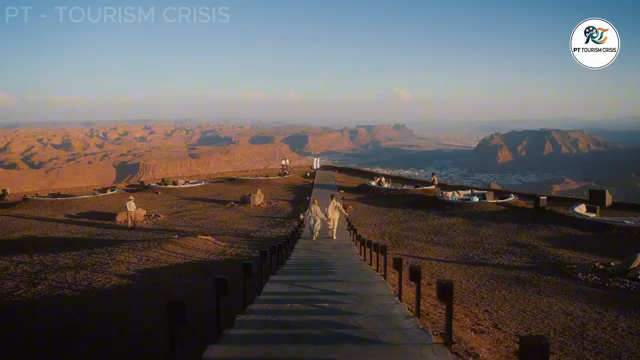
Trojana is a planned luxury tourism destination located in the Jabel al-Laws mountain range, designed
to be a year-round mountain resort featuring a 2.8 km freshwater lake, artificial snow, and ski slopes [00:01], [03:57]. The project was meant to demonstrate that massive capital and technology could overrid
e traditional geography [01:26].
The 2029 Asian Winter Games
Original Plan: The 2029 Asian Winter Games were intended to be the grand debut of Trojana [01:26].
The Change: In early 2026, the Olympic Council
of Asia entered a contract for Almaty, Kazakhstan, to host the games, following the quiet relocation of the event from Saudi Arabia [01:16].
Reasons for Relocation: While no specific failure was announced, t
he video suggests the project faced systemic pressure from a global construction crisis, high inflation, and the difficulty of ensuring a "guaranteed" winter in a marginal climate [02:04], [03:03].
Engineeri
ng and Climate Challenges
The video argues that while individual technologies (dams, snow machines, water management) exist, integrating them into a reliable system is an immense challenge.
Component Enginee
ring Requirement
Snowmaking Requires strict "wet bulb" temperature control; air too dry leads to evaporation, too warm leads to melting [08:45].
Water Supply Required a massive lake and dams to support snow
production, requiring a $4.7 billion construction contract [11:17], [12:31].
Reliability A commercial resort requires a "fixed" winter, whereas climate models suggest high unpredictability in snow-making day
s [05:00], [09:45].
The Contract Termination
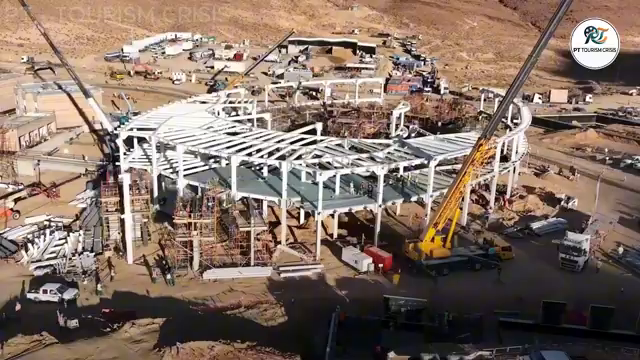
Event: In March 2026, NEOM utilized a "termination for convenience" clause to end a $4.7 billion contract with the engineering firm Web Build [14:49].
Status: At
the time of termination, the work on the dams, lake, and structural components was only about 30% complete [15:07].
Interpretation: The video notes this does not mean the project is permanently cancelled, bu
t it highlights a strategic reassessment or a retreat from the original, highly compressed timeline [15:27], [16:03].
Summary of Systemic Risk
The primary takeaway is the concept of interconnected dependency
. Because the project must create an entirely new ecosystem from scratch, a delay in one component (like the lake construction) causes a cascading failure in operational reliability, forcing higher insurance
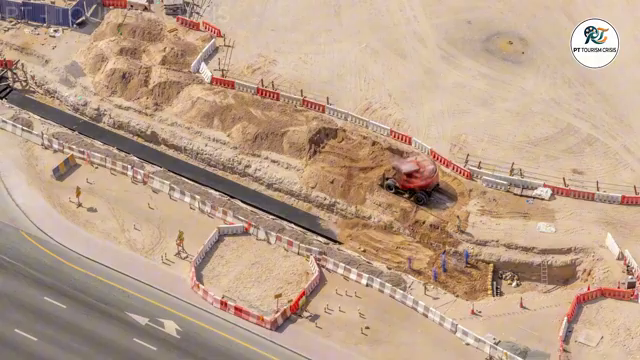
costs, architectural redesigns, and further delays [21:29]. The video concludes that nature acts as a "final invoice"—not through a dramatic disaster, but through the recurring, compounding financial costs
of fighting the environment to maintain a strict, artificial schedule [22:34].
URL: https://www.youtube.com/watch?v=01l-7N6og0A
Why Saudi Arabia’s $1 Trillion Winter Plan Is a Climate Trap
TOURISM CRISIS · 1
Viewer Discussion & Comments