streaming music is a nightmare and i am in hell


Channel: Red Means Recording
Uploaded by Red Means Recording on 20260713
Categories: Music
Tags: synthesizer, electronic, synth, keyboard, music, synth demo, jam, chill, sampler, tutorial, music production, explainer, lofi, sampling, beat making, beat, drum, downtempo, house, chill dance, edm, remix, chillstep, chillout, drum machine, techno, vaporwave, 808, 909, rmr, red means recording, eurorack, make noise, intellijel, arturia, wmd, modular synthesis, 4ms, noise engineering, alm busy circuits, mutable instruments, qu-bit
I need help figuring out what to do next. If you or someone you know is a music / copyright lawyer please email me. If you have any insight into the labels "Kingdom Underground Records" and "Kingdom Productions" please email me. This sucks. My music appears on Bandcamp: https://soundvision.bandcamp.com/ My Spotify video: https://w

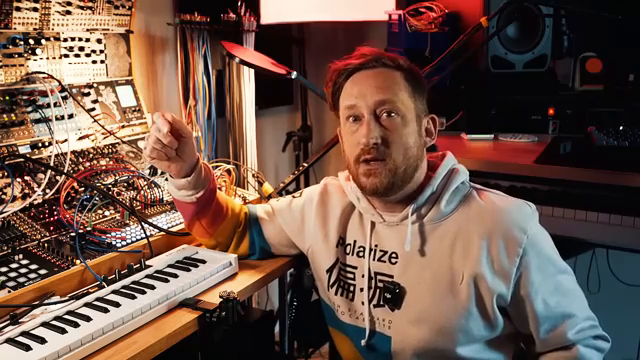
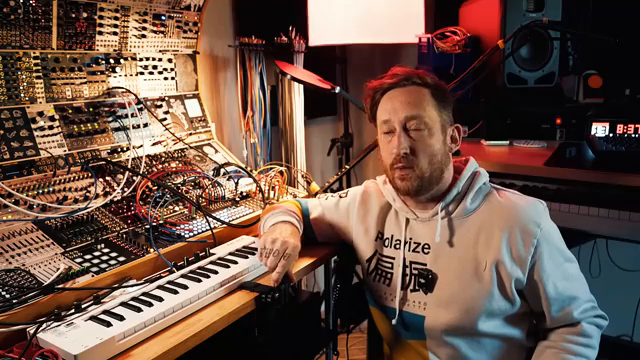
The video titled "streaming music is a nightmare and i am in hell" by the YouTube creator Jeremy Blake (Red Means Recording) is a highly detailed rant explaining the immense frustrations, logistical failures, and administrative hurdles that independent artists face when dealing with music distribution platforms and major streaming services today.

Here is a comprehensive breakdown of the video's content, orga
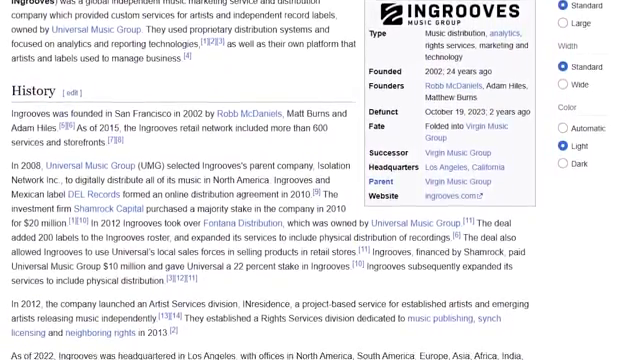
Image for chunk 1

nized by key themes and chronological points:

1. Context and History (00:00:00 - 00:02:00)

The Speaker: Jeremy Blake, who runs the music production channel Red Means Recording.

Early Distribution: He started out sharing music on SoundCloud and YouTube, later graduating to Bandcamp (which he still highly praises).

Transition to Major Streaming: Around 2015–2017, due to fan demand, he began distributing his mu

Image for chunk 2

sic to major platforms like Spotify and Apple Music. Since he previously worked at a music distributor named Ingrooves for over five years, he understood the industry.

The Tools: He chose DistroKid (and later experimented with TuneCore and CD Baby) to act as the aggregators/distributors to deliver his audio files to major streaming services.

2. The Great Spotify Departure (00:02:00 - 00:02:35)

Jeremy previou

Image for chunk 3

sly removed all of his music from Spotify due to ethical issues with the platform and its leadership.

This act drastically reduced his overall visibility and streaming revenue, because the vast majority of mainstream music consumers exclusively use Spotify.

3. The "Whack-A-Mole" Profile Hijacking Nightmare (00:02:35 - 00:08:00)

The primary catalyst for this video is that another artist (under a similar or id

Image for chunk 4

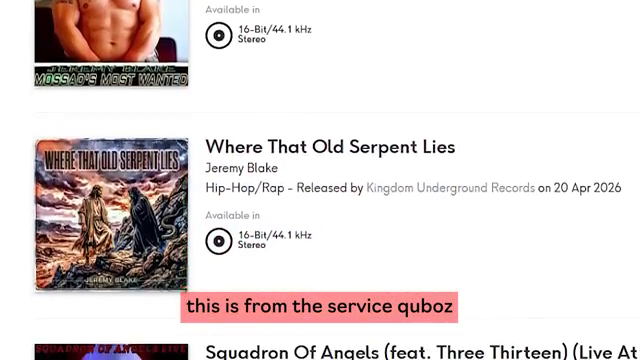
entical name, potentially "Jeremy Blake Anderson") has been systematically flooding major streaming platforms with poor-quality music.

The Music & Art: This other individual is distributing music across random genres (Christian country, Christian rap, rock, and bad electronic music) decorated with low-effort AI-generated artwork.

The Profile Conflict: Instead of having their own dedicated artist profiles, th

Image for chunk 5

is other artist's music is constantly being assigned directly to Jeremy's official profiles on services like Apple Music, Amazon Music, Tidal, Qobuz, and YouTube Music.

Brand Damage: Jeremy's fans constantly message him asking if this subpar Christian/AI-art music is his, which severely taints his creative brand.

Inadequate Platform Tools:

DistroKid's "The Fixer" tool is highly limited and only covers a frac

Image for chunk 6

tion of the services they distribute to.

For YouTube Music, artists have to manually fill out separate external Google Sheets.

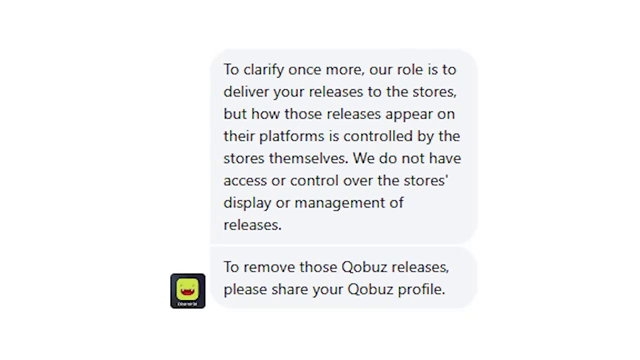
On Qobuz, customer service mistakenly split Jeremy's own catalog across two different incorrect profiles instead of isolating the intruder's music.

The diagram below illustrates this highly broken and circular distribution chain:

Plaintext

[ Shitty Music / AI Art ]

Image for chunk 7

[ Unknown Distributor ]

[ Streaming Platforms ] ──► (Incorrectly maps tracks to) ──► [ Jeremy's Official Profile ]

│ │

▼ ▼

[ Automated Support / AI ] ◄── (Forces Jeremy to manually dispute) ── [ Playing

Image for chunk 8

Whack-A-Mole ]

4. Broken Support Channels & DistroKid Grievances (00:08:00 - 00:12:00)

Decentralized Portals: Because platforms like Tidal, Spotify, and Deezer have separate individual artist portals, managing a catalog requires an artist to log into 5 to 6 different websites to continuously clean up their profile.

DistroKid Support is Blocked by AI: DistroKid relies heavily on an aggressive, front-end AI ch

Image for chunk 9

atbot designed to put the user in infinite loops and prevent them from reaching human agents.

Lack of Accountability: Once Jeremy bypassed the chatbot, support representatives refused to provide the UPCs (Universal Product Codes) of the infringing albums or trace their origin to confirm if they came from DistroKid's own pipeline. The agents claimed it was strictly the responsibility of individual stores, pro

Image for chunk 10

mpting a frustrating circular argument.

The Sponsorship Cut: Jeremy has deleted all of his past sponsorship/ad videos with DistroKid and explicitly advises his viewers to avoid using their services.

5. TuneCore and Sample Licensing Hell (00:12:00 - 00:14:40)

To avoid DistroKid, Jeremy tried migrating releases to TuneCore, only to encounter a different bureaucratic wall regarding sample clearance:

The Scenari

Image for chunk 11

o: Jeremy made Drum & Bass tracks using royalty-free vocal stems from a licensed partnership with Loopcloud (utilizing their Digitakt integration).

The Block: TuneCore blocked his release, flagging his tracks as "remixes" because another artist had previously used those exact same public Loopcloud samples and claimed ownership of them in the back-end content-matching systems.

The Proof Burden: TuneCore deman

Image for chunk 12

ded written licensing proof. Jeremy was forced to manually track down the original Loopcloud sample packs, copy their terms of service, and send them to customer service agents before they finally relented and let the release go through.

6. The Impasse & Call to Action (00:14:40 - end)

Why Scorched Earth Won't Work: Jeremy notes that even if he permanently deleted all his music from major streaming sites and

Image for chunk 13

went purely exclusive on Bandcamp, it wouldn't stop the fake "Jeremy Blake" releases from continuously populating under his name on major platforms. The "gardens" of streaming services would remain filled with weeds.

The Call to Action:

He asks viewers with any legal expertise or connections to entertainment lawyers to reach out to help him draft cease-and-desist letters to target the root labels/distributo

Image for chunk 14

rs of the copycat music.

He asks for any leads regarding the identity of the labels operating under this copycat profile.

He ends with a strong statement denouncing the rise of AI music distributors, stating that automated tech and passive-income extraction models are actively destroying the livelihoods and brands of independent musicians.

streaming music is a nightmare and i am in hell

Red Means Recording ·

Image for chunk 15

Viewer Discussion & Comments

@RedMeansRecording
Hey I just wanted to give a small update. I reached out to kexp and they hooked me up with a wonderful lawyer person who is working on my behalf.
@crashdelta
As a consumer, I’m gravitating more and more towards ’fuck streaming’. I’d rather buy a digital download straight from the artists webpage and give them 100% of the proceeds.
@ToyKeeper
The whole point of Distrokid (and others) is that you pay them so you won't have to deal with this crap. If they make you deal with that crap anyway, there is no reason for them to exist.
@justinmeisse
The only solution is to put out a really dark satanic album and make the other dude not want to be associated with your account.
@pnptcn
I lived and worked in nashville for years and the christian music scene is one of the shadiest things I've ever seen in my life